When it comes to handling gravity dust collection systems, selecting the right type of material transport method is crucial for efficiency and operational success. Two primary approaches are commonly considered: positive pressure and negative pressure transport. Understanding the differences between these two systems is essential for making an informed decision that aligns with specific operational needs and environmental requirements. This article will explore the characteristics, applications, and key factors to consider when choosing between positive pressure and negative pressure for gravity dust removal, with a focus on the expertise of Shandong HeadPowder Engineering Co., Ltd., a leading provider in the field.
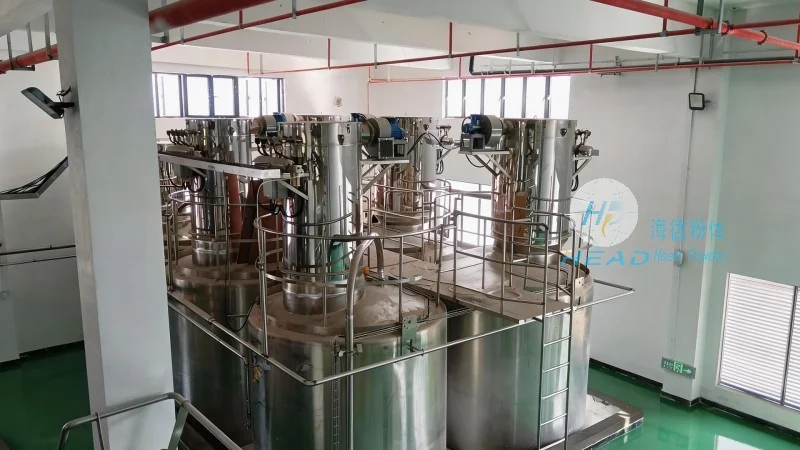
Introduction to Gravity Dust Removal and Material Transport
Gravity dust collection systems are integral to industrial processes where particulate matter needs to be separated from air streams. The final step in this process often involves transporting the collected dust from the collection point to a storage or disposal location. This transport phase can significantly impact overall system performance, energy consumption, and safety. The choice between positive pressure and negative pressure transport directly influences these aspects, making it a critical decision for facility managers and engineers.
Understanding Positive Pressure Transport
Positive pressure transport, also known as pressure blow or pressure conveying, operates by forcing air or gas through the transport system at a pressure higher than the ambient air pressure. This method is typically used in applications where the material being transported is relatively dry and free-flowing, such as in cement, coal, or other bulk materials. The system works by creating a pressure differential that propels the material through the ductwork. One of the key advantages of positive pressure transport is its ability to handle materials with higher moisture content or those that are prone to caking, as the increased pressure helps maintain material flow and prevents blockages. However, this method requires robust equipment capable of withstanding higher pressures and may result in higher energy consumption compared to negative pressure systems.
Key Features of Positive Pressure Transport
Positive pressure systems are characterized by their direct and forceful material movement. They often utilize high-pressure blowers or compressors to generate the necessary pressure, ensuring that the material is consistently pushed through the system. This approach is particularly effective in long-distance transport scenarios where the material needs to be moved over considerable distances without significant loss of pressure. The system's design typically includes sealed ducts and appropriate valves to control the flow and pressure, minimizing the risk of dust leakage and ensuring compliance with environmental regulations. Additionally, positive pressure transport can be integrated with various dust collection equipment, such as cyclones or baghouses, to create a comprehensive system for dust management.
Applications of Positive Pressure Transport
Positive pressure transport is commonly employed in industries where the material has a tendency to stick or clump together, such as in the cement and mineral processing sectors. It is also suitable for applications requiring high material throughput, as the system can handle larger volumes of material efficiently. For example, in cement plants, positive pressure systems are used to transport raw materials and finished products from storage silos to processing units. Similarly, in coal-fired power plants, these systems help move coal from storage bins to the boiler. The ability to handle abrasive and corrosive materials makes positive pressure transport a preferred choice in such environments.
Understanding Negative Pressure Transport
Negative pressure transport, or vacuum conveying, operates by creating a vacuum in the transport system, causing air and material to be drawn into the system from the source. This method is typically used for materials that are more sensitive to pressure changes or for applications where the material is lighter and more prone to dispersion. The system works by using a vacuum pump to reduce the pressure inside the ductwork, creating a pressure differential that pulls the material along. One of the main advantages of negative pressure transport is its lower energy consumption compared to positive pressure systems, as it does not require high-pressure blowers. This makes it more energy-efficient and cost-effective for certain applications. However, negative pressure systems may be less effective with materials that are prone to caking or have high moisture content, as the vacuum may not provide sufficient force to maintain consistent flow.
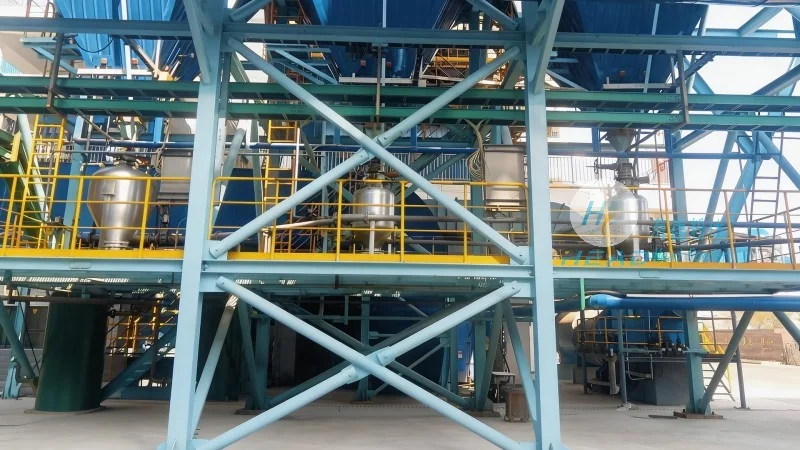
Key Features of Negative Pressure Transport
Negative pressure systems rely on vacuum technology to draw material through the system. They typically use rotary vane or liquid ring vacuum pumps to create the necessary vacuum. The design of these systems often includes flexible hoses or ducts to accommodate the movement of the material and to minimize the risk of blockages. Unlike positive pressure systems, negative pressure transport does not require sealed ducts, as the vacuum pulls the material in, reducing the risk of dust leakage. However, the system may be more susceptible to clogging if the material is too fine or has high moisture content, as the vacuum may not be strong enough to move the material efficiently.
Applications of Negative Pressure Transport
Negative pressure transport is commonly used in industries where the material is lightweight and easily dispersed, such as in pharmaceuticals, food processing, or fine chemicals. It is also suitable for applications where the material needs to be transported over shorter distances or when the system layout includes multiple branches and turns, as the vacuum can be maintained more easily in such configurations. For instance, in pharmaceutical manufacturing, negative pressure systems are used to transport powders from mixing tanks to packaging units. Similarly, in food processing plants, these systems help move flour or other fine powders from storage to processing lines. The ability to handle delicate materials without causing degradation makes negative pressure transport a preferred choice in such industries.
Distinguishing Between Positive and Negative Pressure Transport
When deciding between positive and negative pressure transport for gravity dust removal, several factors need to be considered. The first and most important factor is the nature of the material being transported. Materials that are dry, free-flowing, and have a tendency to clog or cake are better suited for positive pressure systems, as the higher pressure helps maintain consistent flow. Conversely, materials that are lightweight, fine, and prone to dispersion are more suitable for negative pressure systems, as the vacuum effectively draws the material without causing excessive pressure on the system components.
Another critical factor is the distance and layout of the transport system. Positive pressure systems are generally more effective for long-distance transport, as they can maintain higher pressure levels over longer distances without significant loss. Negative pressure systems, on the other hand, are better suited for shorter distances or when the system layout includes multiple branches and turns, as the vacuum can be maintained more easily in such configurations.
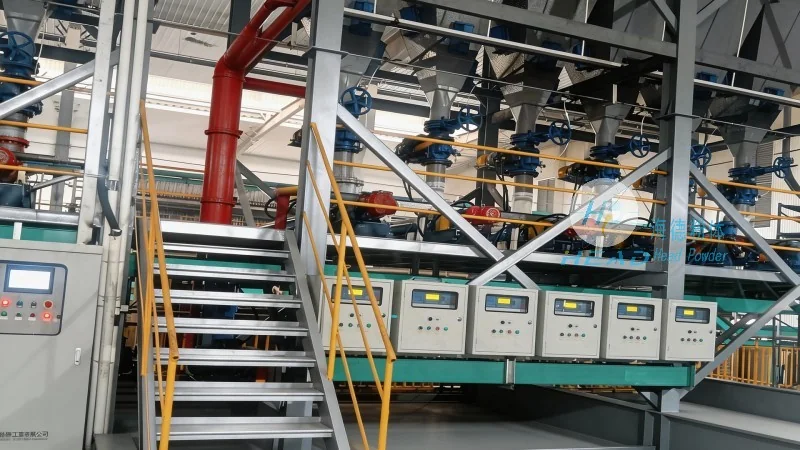
Energy consumption is also a key consideration. Positive pressure systems typically consume more energy due to the high-pressure blowers required, while negative pressure systems are more energy-efficient. However, the overall energy cost should be weighed against the operational benefits, such as reduced maintenance and lower risk of material degradation.
Environmental and safety considerations also play a role in the decision-making process. Positive pressure systems may require more robust sealing and filtration to prevent dust leakage, as the high pressure can cause particles to escape from the system. Negative pressure systems, while generally safer in terms of dust leakage, may require additional measures to prevent the vacuum from drawing in external contaminants or causing system failures.
Case Study: Choosing the Right Transport Method for a Cement Plant
Consider a large cement plant in China that needs to transport raw materials from storage silos to the grinding unit. The plant's engineers are evaluating whether to use positive or negative pressure transport. The raw materials, such as limestone and clay, are dry, free-flowing, and have a tendency to clog due to their high moisture content. Based on the material characteristics, positive pressure transport is recommended. The system will use high-pressure blowers to force the material through the ductwork, ensuring consistent flow and preventing blockages. The positive pressure system will also be integrated with cyclone separators to maintain the quality of the material and prevent dust leakage.
Another example is a pharmaceutical manufacturing facility that needs to transport fine powders from mixing tanks to packaging lines. The powders are lightweight, sensitive to pressure changes, and prone to dispersion. In this case, negative pressure transport is the better choice. The system will use a vacuum pump to draw the material through flexible hoses, ensuring that the powders are handled gently and without degradation. The negative pressure system will also include filtration and sealing components to prevent contamination and maintain product quality.
Conclusion: Making the Right Choice with HeadPowder
Choosing between positive and negative pressure transport for gravity dust removal requires a thorough understanding of the material properties, system requirements, and operational goals. Both methods have their advantages and are suitable for different applications. By considering factors such as material characteristics, transport distance, energy consumption, and environmental regulations, facility managers can make an informed decision that optimizes system performance and operational efficiency.




