When it comes to the pneumatic conveying of lithium battery mineral powders, selecting the right conveying method is crucial for ensuring efficiency, safety, and cost-effectiveness in industrial operations. Two primary approaches are widely used: negative pressure (or vacuum) conveying and positive pressure conveying. Each method has its own set of advantages and disadvantages, which are critical to consider based on the specific requirements of the application.
Overview of Negative Pressure Conveying
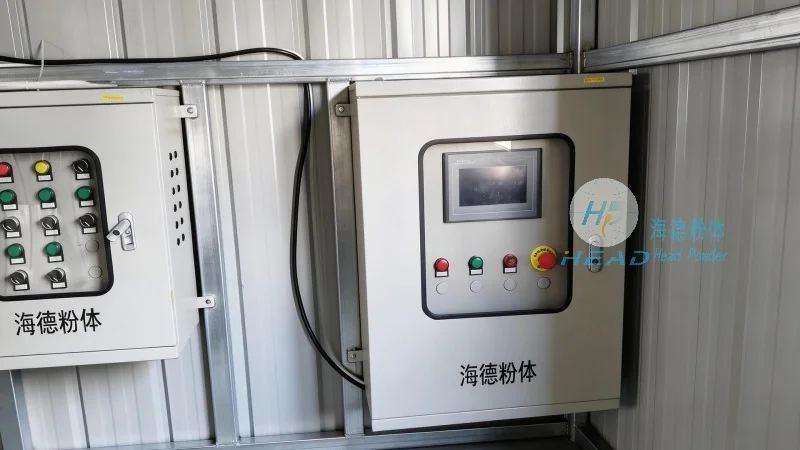
Negative pressure conveying, also known as vacuum conveying, operates by creating a low-pressure environment at the material intake point, drawing the powder into the conveying system. This method is particularly effective for handling fine or dusty powders, as it can capture and transport materials from multiple source points without the need for direct contact with the material. The system typically consists of a vacuum pump, a hopper, and a conveying line, with the material being drawn into the system under suction.
Advantages of Negative Pressure Conveying
One of the key advantages of negative pressure conveying is its ability to handle fine and sensitive powders without causing degradation or agglomeration. The low-pressure environment minimizes particle breakage, making it suitable for materials like lithium battery precursors, which are often delicate and prone to clumping. Additionally, this method is highly effective for conveying materials from multiple source locations, as the vacuum can be applied to various hoppers or collection points simultaneously. This flexibility is beneficial in complex production lines where materials are sourced from different areas of the facility.
Disadvantages of Negative Pressure Conveying
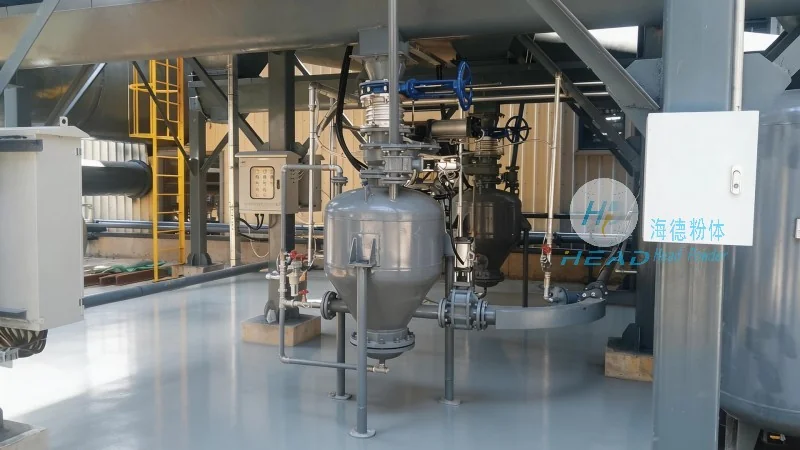
Despite its benefits, negative pressure conveying has several drawbacks. The primary limitation is its lower conveying capacity compared to positive pressure systems, which can be a challenge for large-scale operations requiring high material throughput. The vacuum pump also consumes more energy, leading to higher operational costs over time. Furthermore, the system is more susceptible to air leaks and blockages, as any disruption in the vacuum can cause material to back up or fail to reach the destination. Maintenance of the vacuum pump and associated components is also more complex and requires regular checks to ensure optimal performance.
Overview of Positive Pressure Conveying
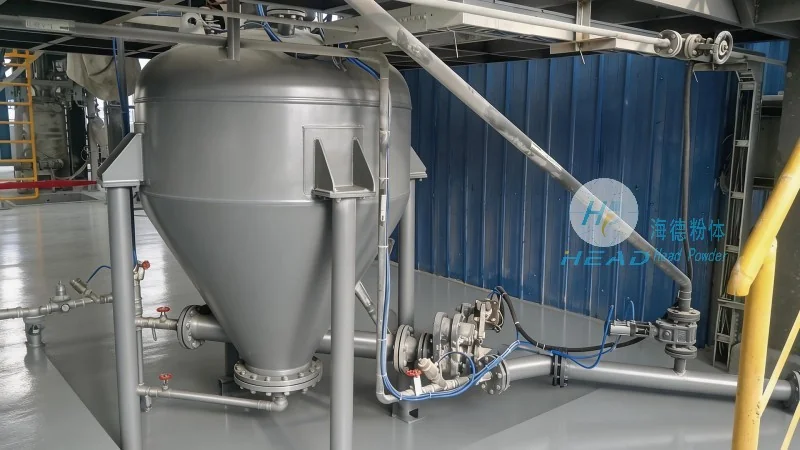
Positive pressure conveying, on the other hand, works by blowing air or a carrier gas under pressure into the material, forcing it through the conveying line. This method is commonly used for bulk materials and is generally more suitable for high-volume applications. The system includes a blower, a hopper, and a pressure line, with the material being pushed through the system by the pressurized air.
Advantages of Positive Pressure Conveying
Positive pressure conveying offers several advantages, particularly in terms of capacity and efficiency. It can handle larger volumes of material, making it ideal for high-throughput industrial processes. The pressurized air helps to maintain the flow of material, reducing the risk of blockages and ensuring consistent performance. Additionally, this method is less affected by air leaks, as the system operates under positive pressure, which helps to prevent external air from entering and disrupting the conveying process.
Disadvantages of Positive Pressure Conveying
However, positive pressure conveying has its own set of disadvantages. One major drawback is its potential to degrade or agglomerate sensitive powders, as the high-pressure air can cause particle breakage or clumping. This is a critical issue for lithium battery mineral powders, which require precise particle size and uniformity. Another disadvantage is the higher energy consumption compared to negative pressure systems, as the blower must work harder to maintain the required pressure. Furthermore, the system is more complex to install and maintain, with more components that can fail, such as the blower and pressure regulators.
Comparative Analysis: Which Method is Better?
When deciding between negative and positive pressure conveying for lithium battery mineral powders, several factors must be considered. The choice depends on the specific characteristics of the material, the scale of the operation, and the desired performance metrics. For fine, sensitive powders that require minimal degradation, negative pressure conveying is often the preferred option. However, for large-scale operations with high material throughput, positive pressure conveying may be more suitable despite its limitations.
Application Examples in Lithium Battery Production
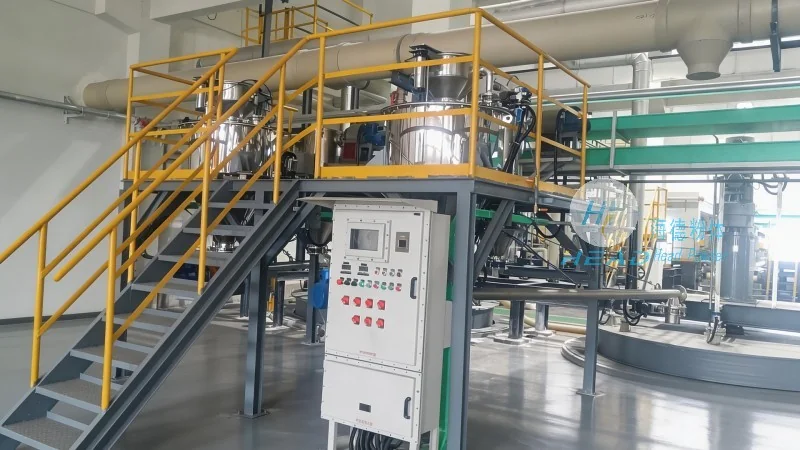
In the context of lithium battery production, both methods are used in different stages of the process. For example, negative pressure conveying is commonly used to transport raw materials like lithium carbonate or lithium hydroxide from storage hoppers to processing equipment, where the material is sensitive and requires careful handling. Positive pressure conveying, on the other hand, may be used for transporting larger bulk materials, such as graphite or silicon, which are less sensitive to pressure and can handle higher volumes. Shandong HeadPowder Engineering Co., Ltd., a leading provider of pneumatic conveying solutions, specializes in designing and implementing customized systems tailored to the specific needs of lithium battery manufacturers, ensuring optimal performance and material integrity.
Conclusion: Choosing the Right Conveying Method
Ultimately, the choice between negative and positive pressure conveying for lithium battery mineral powders is a balance between efficiency, cost, and material integrity. Negative pressure conveying excels in handling fine, sensitive powders with minimal degradation, while positive pressure conveying offers higher capacity and efficiency for bulk materials. By understanding the specific requirements of the application, industrial operators can select the most appropriate conveying method to optimize their production processes and ensure the quality of their lithium battery components. With its expertise in pneumatic conveying technology, Shandong HeadPowder Engineering Co., Ltd. continues to support the lithium battery industry by providing reliable and efficient solutions that meet the evolving demands of modern manufacturing.




