In the construction and industrial sectors, the efficient and reliable transport of stone chippings and other granular materials is a critical operational requirement. Pneumatic conveying, a technology that utilizes air flow to move solid particles, has emerged as a clean, flexible, and high-performance solution for material handling. Among the various pneumatic conveying methods, positive pressure and negative pressure systems are two of the most widely used approaches. This article provides a detailed comparison of these two methods, focusing on their applications in stone chipping transport, to help users make informed decisions based on their specific operational needs.
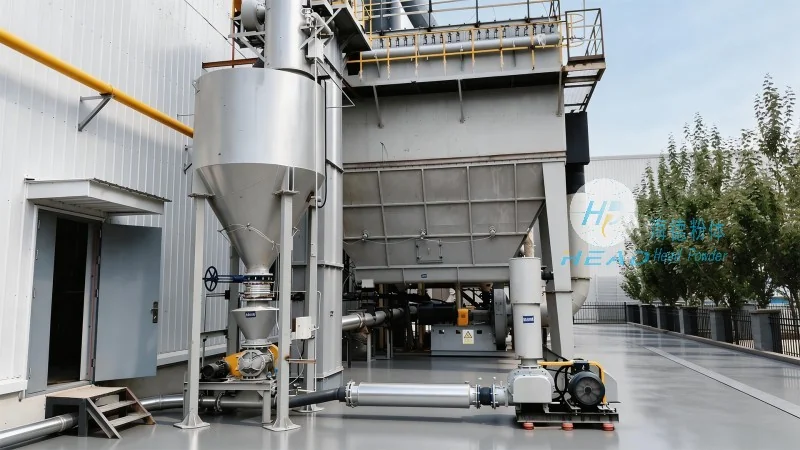
Understanding Pneumatic Conveying: The Fundamentals of Positive and Negative Pressure Systems
Pneumatic conveying is a process that involves transporting solid materials by suspending them in a stream of air. Positive pressure conveying operates by maintaining a pressure higher than the ambient air pressure within the conveying pipeline, pushing the material toward the destination. In contrast, negative pressure conveying, also known as air-suction, creates a vacuum or negative pressure inside the pipeline, drawing the material from the source. Both systems rely on fluid dynamics principles, but they differ significantly in their operational mechanisms, system design, and application scope.
Positive Pressure Conveying: How It Works and Its Advantages for Stone Chippings
Positive pressure conveying systems use compressed air as the primary power source, mixing the material with air and propelling it through the pipeline at a controlled velocity. For stone chippings, this method offers several key advantages. Firstly, it enables long-distance transport, with typical ranges extending to hundreds of meters or more, making it suitable for large-scale material movement across industrial sites. Secondly, the stable pressure and controlled flow rates reduce material breakage and wear, preserving the integrity of the stone chippings. Thirdly, the closed pipeline design minimizes dust emissions, aligning with environmental regulations and improving workplace safety. For instance, in a quarry or construction site, a positive pressure system can efficiently transport stone chippings from a crusher to a storage silo or a transport truck.
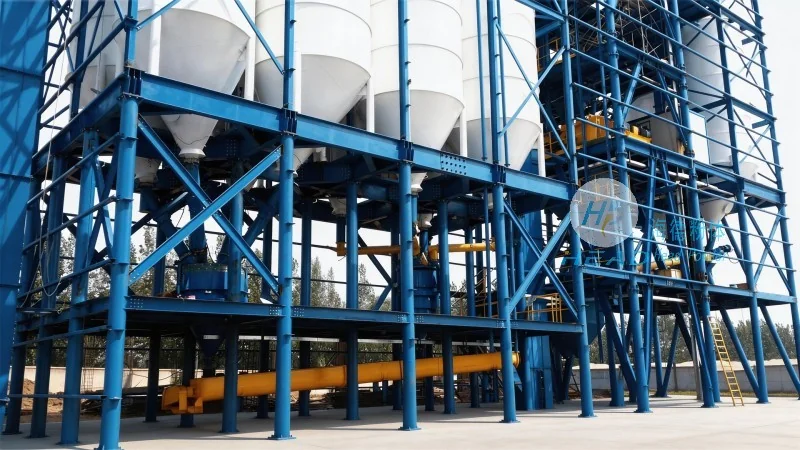
Negative Pressure Conveying: The Principles and Benefits of Air-Suction Systems
Negative pressure conveying systems operate by creating a vacuum or negative pressure within the pipeline using a vacuum pump or fan. This vacuum draws the material from the source into the system. For stone chipping applications, negative pressure systems provide distinct benefits. They are highly efficient for short-distance transport, particularly within workshops or between equipment, with typical operational ranges of up to 100 meters. The system design is relatively simple, resulting in lower initial investment costs compared to positive pressure systems. Additionally, the suction process minimizes impact on the material, making it suitable for transporting fragile or sensitive stone chippings. However, negative pressure systems require careful attention to dust containment, as the vacuum may cause dust to leak from the pipeline if not properly sealed.
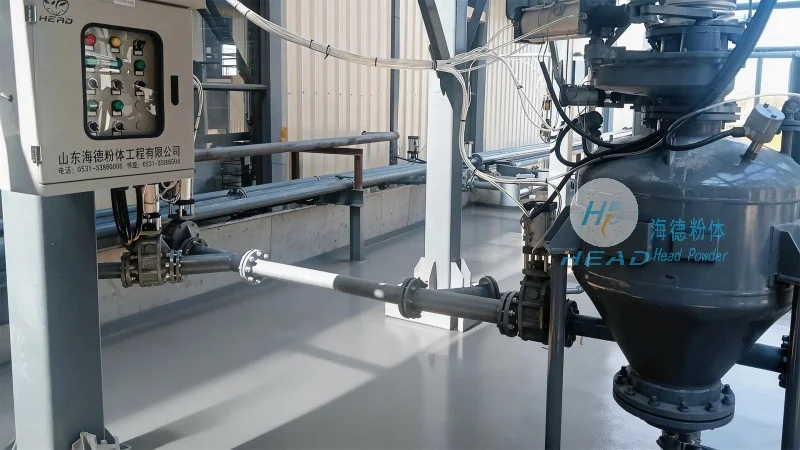
Comparative Analysis: Key Differences Between Positive and Negative Pressure Conveying for Stone Chippings
When comparing positive and negative pressure conveying for stone chippings, several critical differences emerge. From a power source perspective, positive pressure relies on compressed air pressure, while negative pressure depends on vacuum suction. In terms of system pressure, positive pressure maintains a positive pressure environment, whereas negative pressure operates under a negative pressure condition. The direction of material movement also differs: positive pressure pushes the material, while negative pressure pulls it. In practical terms, positive pressure systems are preferred for long-distance, high-volume transport, while negative pressure systems are ideal for short-distance, low-volume, or localized material transfer. Furthermore, positive pressure systems demand higher standards of pipeline sealing to prevent air leakage, whereas negative pressure systems require robust vacuum pump performance to maintain consistent suction.
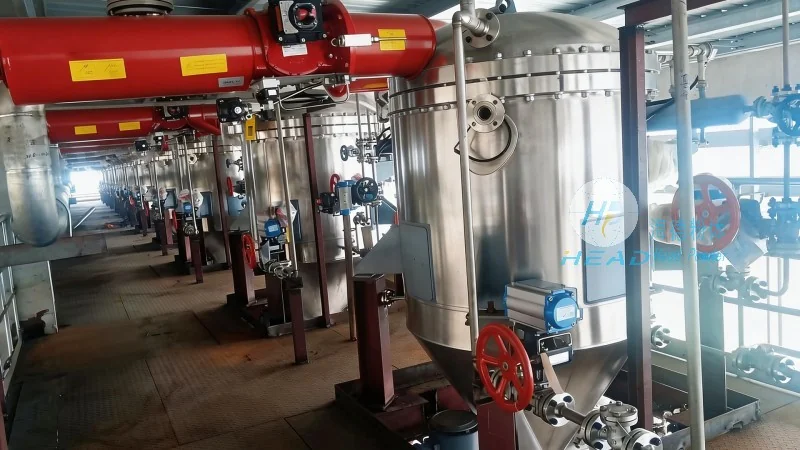
Practical Applications and Industry Considerations: Choosing the Right Conveying Method
In real-world applications, the choice between positive and negative pressure conveying for stone chippings depends on a combination of factors, including material characteristics, transport distance, system cost, and maintenance requirements. For example, in a large-scale stone processing plant, a positive pressure system may be used to move large volumes of chippings from the crushing and screening area to a storage facility, leveraging its long-distance capability and high throughput. Conversely, a negative pressure system might be employed to transfer chippings from a crusher to a nearby screening machine, where short-distance and low-impact handling are more critical. Environmental considerations also play a role: positive pressure systems are generally more effective at containing dust, making them suitable for outdoor or open-air operations, while negative pressure systems may require additional filtration and sealing measures for indoor use. Ultimately, the decision should be based on a thorough analysis of operational efficiency, cost-effectiveness, and compliance with industry standards.
About HeadPowder: Your Partner in Advanced Material Handling Solutions
Shandong HeadPowder Engineering Co., Ltd., commonly known as HeadPowder, is a leading manufacturer and supplier of advanced pneumatic conveying equipment, headquartered in Shandong, China. The company specializes in developing and manufacturing customized solutions for material handling, including positive pressure conveying systems, negative pressure air-suction systems, and hybrid conveying systems tailored to the unique needs of stone chipping and other granular material applications. HeadPowder’s products incorporate cutting-edge technologies such as variable frequency drives (VFDs) for energy efficiency, intelligent monitoring systems for real-time performance tracking, and wear-resistant materials (e.g., stainless steel or specialized plastics) to ensure long-term durability and minimal maintenance. Whether a client requires a standard positive pressure system for long-distance transport or a custom negative pressure solution for short-distance handling, HeadPowder provides comprehensive support, from system design and installation to after-sales service. By partnering with HeadPowder, businesses can enhance their operational efficiency, reduce material handling costs, and achieve sustainable, environmentally friendly material processing, ensuring optimal performance and reliability in their stone chipping operations.




