When it comes to handling and transporting polypropylene (PP) materials, selecting the right pneumatic conveying system is crucial for efficiency, cost-effectiveness, and material integrity. Two primary methods dominate the industry: positive pressure conveying and negative pressure conveying. Each approach has its own set of advantages, limitations, and ideal applications. This analysis, provided by Shandong HeadPowder Engineering Co., Ltd., a leading provider of pneumatic conveying solutions based in Shandong, China, delves into the characteristics, operational principles, and practical considerations of both methods, providing a comprehensive comparison to help businesses make informed decisions.
Understanding Pneumatic Conveying Basics
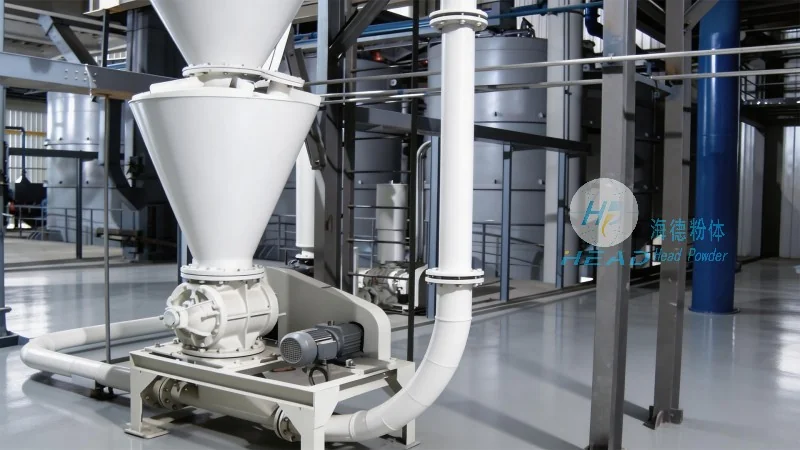
Pneumatic conveying systems utilize air or gas to transport bulk materials like powders and granules through a pipeline. The fundamental difference between positive and negative pressure systems lies in how the air is managed within the system. Positive pressure systems force air and material through the pipeline under pressure, while negative pressure systems draw material and air into the system. Both methods rely on the same core principles but differ significantly in their design, performance, and suitability for specific applications.
Positive Pressure Conveying of PP: Advantages and Applications
Positive pressure conveying, also known as pressure conveying, operates by blowing air and material through the pipeline under pressure. This method is particularly effective for transporting PP materials over longer distances and through complex system layouts. The primary advantages of positive pressure systems include high conveying velocities, which allow for efficient material transport, and the ability to handle a wide range of particle sizes and densities. Additionally, positive pressure systems are generally more suitable for applications requiring high material throughput and consistent flow rates.
For PP materials, positive pressure conveying is often preferred in industrial settings where large volumes of material need to be moved quickly and reliably. The system's ability to maintain consistent pressure ensures that material is transported without clogging or degradation, making it ideal for processes such as blending, compounding, and packaging. However, positive pressure systems require robust equipment and careful maintenance to prevent leaks and pressure build-up, which can pose safety risks if not properly managed.
Negative Pressure Conveying of PP: Benefits and Limitations
Negative pressure conveying, or vacuum conveying, works by creating a vacuum in the system to draw material and air into the pipeline. This method is typically used for shorter conveying distances and for materials that are more sensitive to pressure or air flow. The key benefits of negative pressure systems include lower energy consumption compared to positive pressure systems, as they do not require high-pressure air compressors. Additionally, negative pressure conveying is often more cost-effective for smaller-scale operations and for materials that are less abrasive or less prone to dust generation.
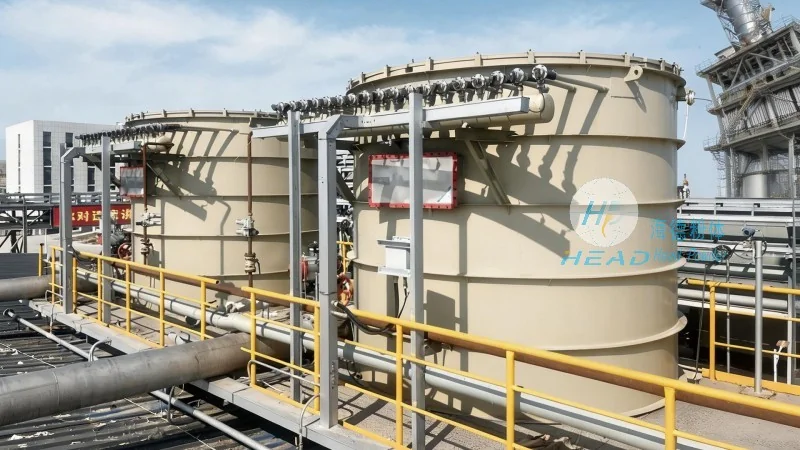
When handling PP materials, negative pressure systems are well-suited for applications where material is being collected from multiple sources or where the material is more delicate and requires gentler handling. The vacuum process minimizes material degradation and reduces the risk of dust contamination, making it ideal for processes such as sampling, quality control, and small-scale production. However, negative pressure systems have limitations, including lower conveying velocities and reduced efficiency over longer distances, which can limit their use in large-scale industrial applications.
Key Considerations for Choosing Between Positive and Negative Pressure Conveying
The choice between positive and negative pressure conveying for PP materials depends on several factors, including the distance of material transport, the volume of material to be handled, the complexity of the system layout, and the specific properties of the PP material. Positive pressure systems are generally more suitable for high-volume, long-distance applications, while negative pressure systems are better for low-volume, short-distance operations or when material sensitivity is a concern.
Another critical factor is the cost and maintenance requirements of each system. Positive pressure systems typically require more expensive equipment, such as high-pressure air compressors and robust pipelines, but offer higher efficiency and throughput. Negative pressure systems, on the other hand, are more affordable and easier to maintain, though they may require more frequent cleaning and filter changes due to the vacuum process.
Case Study: Application in Polypropylene Processing
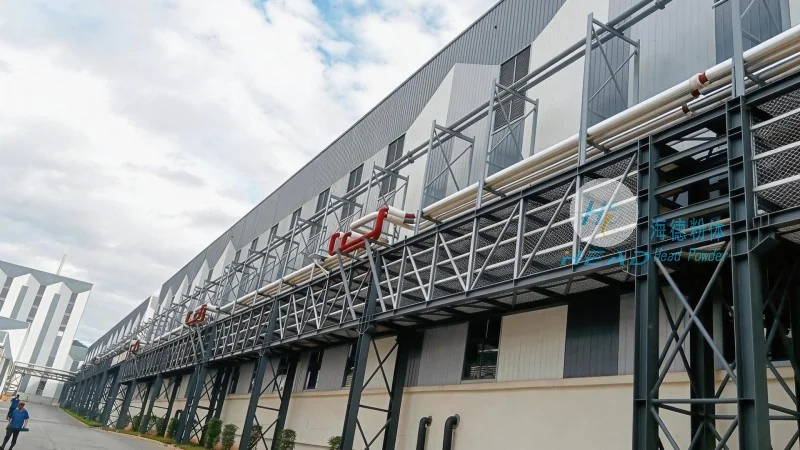
Shandong HeadPowder Engineering Co., Ltd., a leading provider of pneumatic conveying solutions, has extensive experience in implementing both positive and negative pressure systems for PP material handling. The company specializes in designing customized systems that meet the unique needs of each client, ensuring optimal performance and reliability. For example, a client in the automotive industry required a positive pressure conveying system to transport large volumes of PP granules from storage silos to processing lines. The system was designed with high-capacity air compressors and durable pipelines to handle the demanding requirements of the application, resulting in improved efficiency and reduced downtime.
In another case, a client in the packaging industry opted for a negative pressure conveying system to collect fine PP powders from multiple hoppers and transport them to a blending unit. The vacuum system was chosen for its lower energy consumption and gentler handling of the fine material, which minimized dust generation and improved product quality. HeadPowder's engineers carefully evaluated the client's requirements and selected the appropriate system components to ensure the best possible outcome.
Conclusion: Making the Right Choice for PP Conveying
Both positive and negative pressure conveying methods offer viable solutions for transporting polypropylene materials, each with its own set of advantages and limitations. The key to selecting the right system lies in understanding the specific requirements of the application, including material properties, distance of transport, and operational constraints. By carefully evaluating these factors, businesses can choose the most efficient and cost-effective pneumatic conveying system for their PP material handling needs.
Shandong HeadPowder Engineering Co., Ltd. continues to innovate and provide tailored solutions for the diverse needs of the polypropylene industry, helping companies optimize their material handling processes and improve overall operational efficiency. With a focus on quality, reliability, and customer satisfaction, HeadPowder remains a trusted partner for businesses seeking advanced pneumatic conveying systems.




