When handling iron powder, selecting the right pneumatic conveying method is crucial for efficiency, safety, and material integrity. Pneumatic conveying systems are widely used in industrial applications to transport bulk materials like iron powder, but the choice between positive pressure and negative pressure systems depends on various factors such as material properties, process requirements, and operational constraints. This article provides a detailed comparison of positive pressure and negative pressure conveying methods for iron powder, highlighting their mechanisms, advantages, and limitations.
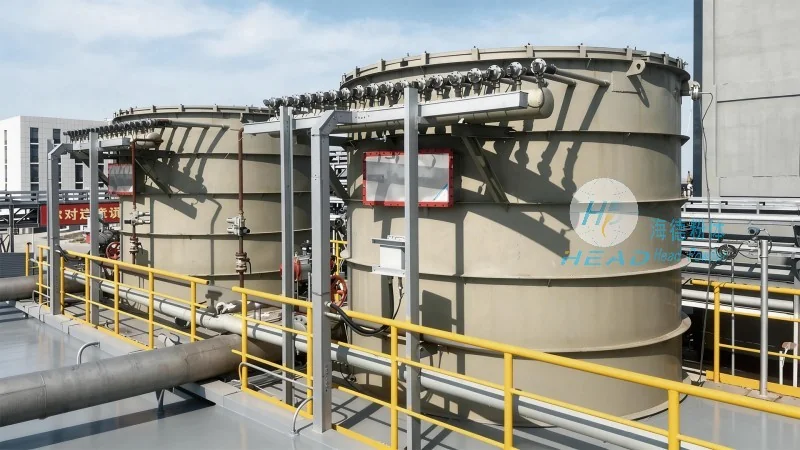
Positive Pressure Conveying of Iron Powder
Positive pressure conveying, also known as pressure pneumatic conveying, operates by blowing air or a carrier gas into the material to create a positive pressure within the conveying line. This method is particularly effective for transporting iron powder over longer distances or through complex piping systems. The process involves a blower or compressor that generates the necessary pressure to move the material through the pipeline. A typical positive pressure system includes a hopper, a feeder, a pressure vessel, and a discharge unit. The iron powder is fed into the system, and the carrier gas (often air or a mixture of air and inert gas) is introduced to create a slurry-like flow. This method is well-suited for applications where the material needs to be transported from a central source to multiple destinations or where the system must operate under high pressure to overcome resistance in the pipeline.
Key advantages of positive pressure conveying for iron powder include its ability to handle high material loads, maintain consistent flow rates, and operate over extended distances without significant pressure loss. It also allows for better control over the material's temperature and moisture content, which is critical for maintaining the quality of iron powder, especially in applications like metallurgy or chemical processing. However, this method requires robust equipment and regular maintenance to ensure the system operates efficiently and safely. The positive pressure system also generates more noise and requires proper ventilation to manage the exhaust air, which can be a concern in enclosed facilities.
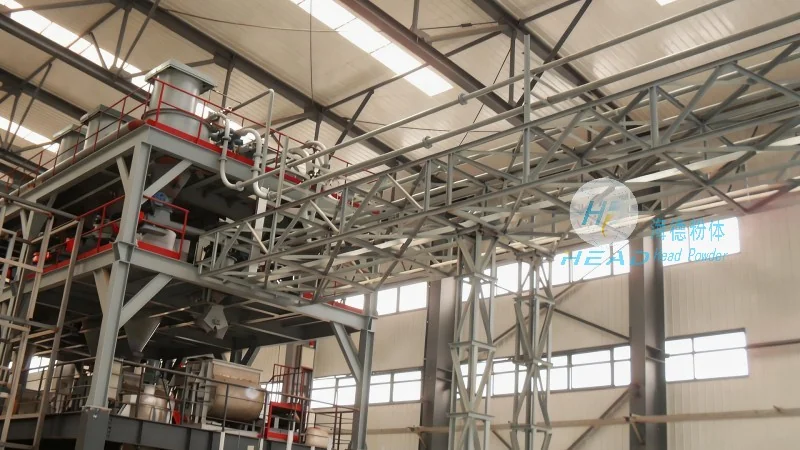
Negative Pressure Conveying of Iron Powder
Negative pressure conveying, or vacuum pneumatic conveying, works by creating a vacuum in the conveying line to draw the iron powder from the source to the receiver. This method is ideal for short-distance transport or when the material needs to be collected from multiple points and transported to a central location. The system typically consists of a vacuum pump, a hopper, a feeder, and a receiver. The iron powder is placed in the hopper, and the vacuum pump creates a low-pressure environment that pulls the material through the pipeline. Unlike positive pressure systems, negative pressure conveying does not require high-pressure equipment, making it more suitable for applications where the material is sensitive to high pressure or where the system needs to be installed in a confined space.
One of the main advantages of negative pressure conveying is its lower operational cost compared to positive pressure systems, as it uses less energy to maintain the vacuum. It also reduces the risk of material spillage and dust emissions, as the system operates under negative pressure, preventing particles from escaping into the environment. However, negative pressure systems have limitations in terms of the distance they can effectively transport iron powder, typically up to a few hundred meters. They are also more susceptible to clogging and blockages, especially if the iron powder contains moisture or is prone to agglomeration. Regular cleaning and maintenance are essential to prevent system downtime and ensure consistent performance.
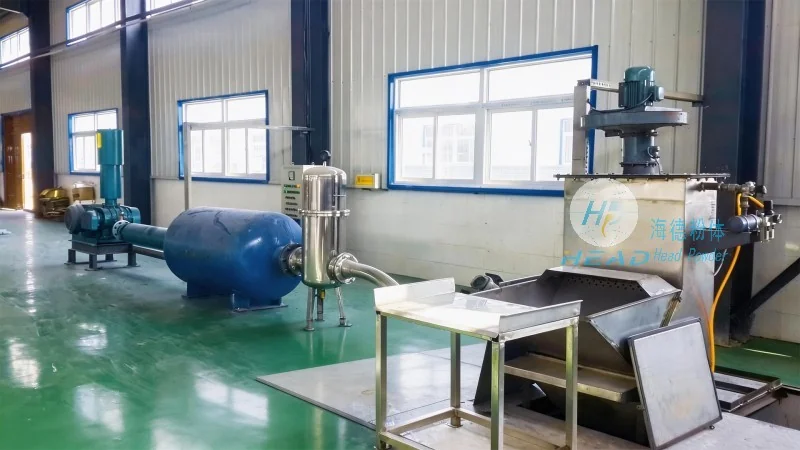
Comparison of Positive and Negative Pressure Conveying for Iron Powder
When comparing positive and negative pressure conveying for iron powder, several factors must be considered to determine the most suitable method for a specific application. The primary difference lies in the pressure differential: positive pressure systems use excess pressure to push the material, while negative pressure systems use a vacuum to pull it. This fundamental difference affects the system's design, operational efficiency, and cost.
From an operational perspective, positive pressure conveying is generally more efficient for long-distance transport and high material throughput. It can handle larger volumes of iron powder and maintain stable flow rates, making it ideal for continuous production lines. In contrast, negative pressure conveying is better suited for short-distance transport, where the material needs to be collected from various sources and transported to a central processing unit. It is also more cost-effective for applications with lower material loads or shorter transport distances.
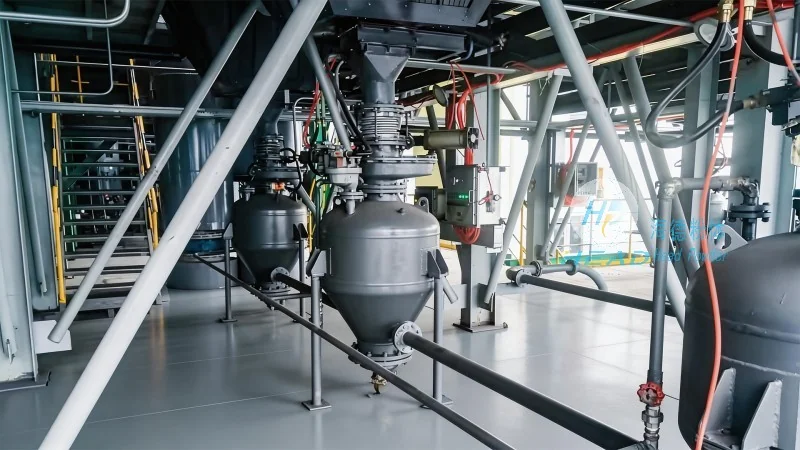
From a safety and environmental standpoint, negative pressure conveying offers advantages as it operates under vacuum, reducing the risk of dust emissions and material spillage. This makes it a preferred choice for applications where environmental regulations are strict or where the material is hazardous. Positive pressure systems, on the other hand, require proper ventilation and filtration to manage the exhaust air and prevent dust contamination. However, they are more prone to leaks and pressure-related accidents, which can pose safety risks if not properly maintained.
Another critical factor is the material's properties. Iron powder, being a fine particulate material, is prone to agglomeration and can cause blockages in the conveying system. Positive pressure systems may require additional equipment, such as a rotary valve or a de-agglomerator, to prevent clogging. Negative pressure systems are more susceptible to clogging due to the vacuum, which can draw fine particles into the pipeline and cause blockages. Therefore, the choice between the two methods depends on the iron powder's particle size, moisture content, and flowability.




