HeadPowder, a leading provider of specialized material handling solutions, specializes in the efficient and safe transportation of asbestos powder through advanced pneumatic conveying systems. This article provides a detailed comparison between positive pressure and negative pressure conveying methods, focusing on their applications, advantages, and operational considerations for handling asbestos powder.
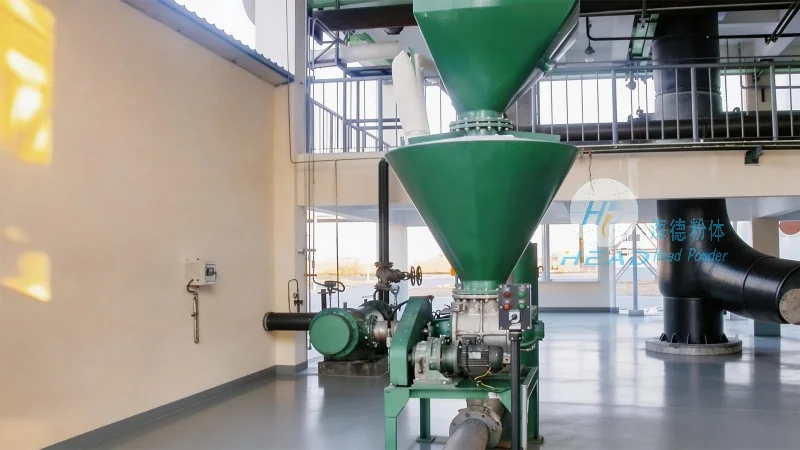
Introduction to Pneumatic Conveying Systems for Asbestos Powder
Pneumatic conveying is a critical technology in industries dealing with fine powders, including asbestos, as it offers a non-contact method for transporting materials over distances while maintaining product integrity and minimizing contamination risks. The choice between positive pressure and negative pressure systems depends on various factors such as material properties, system design, and operational requirements. This analysis explores the two primary approaches to asbestos powder conveyance, highlighting their distinct characteristics and suitability for different scenarios.
Positive Pressure Conveying: Advantages and Applications
Positive pressure conveying systems operate by generating air pressure within the conveying line, which forces material from the source to the destination. This method is particularly effective for asbestos powder due to its ability to handle high material loads and maintain consistent flow rates. The primary advantages of positive pressure systems include enhanced material handling capacity, reduced system complexity, and improved control over particle dispersion. For asbestos powder, which can be abrasive and potentially hazardous, positive pressure systems offer better containment and lower risk of dust exposure compared to negative pressure alternatives. Additionally, these systems are often more energy-efficient for long-distance transport, making them suitable for industrial applications where large volumes of asbestos powder need to be moved efficiently.
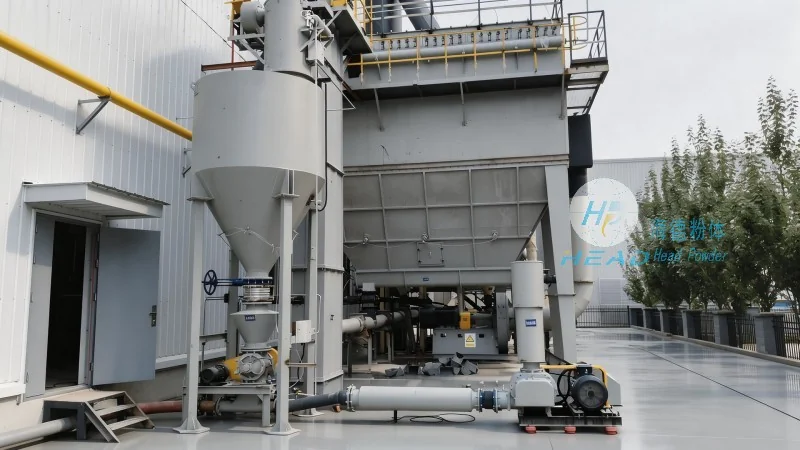
Negative Pressure Conveying: Operational Principles and Benefits
Negative pressure conveying, also known as vacuum conveying, works by creating a vacuum in the conveying line to draw material from the source to the receiver. This method is ideal for applications requiring gentle handling of delicate or sensitive materials, as the low air velocity minimizes particle breakage and degradation. For asbestos powder, negative pressure systems provide a safer environment by reducing the risk of dust inhalation and ensuring that particles remain intact during transport. The benefits of negative pressure conveyance include better control over particle size distribution, lower noise levels, and the ability to handle materials from multiple sources simultaneously. However, negative pressure systems may have limitations in terms of material load capacity and are generally more suitable for shorter distances or smaller quantities of asbestos powder.
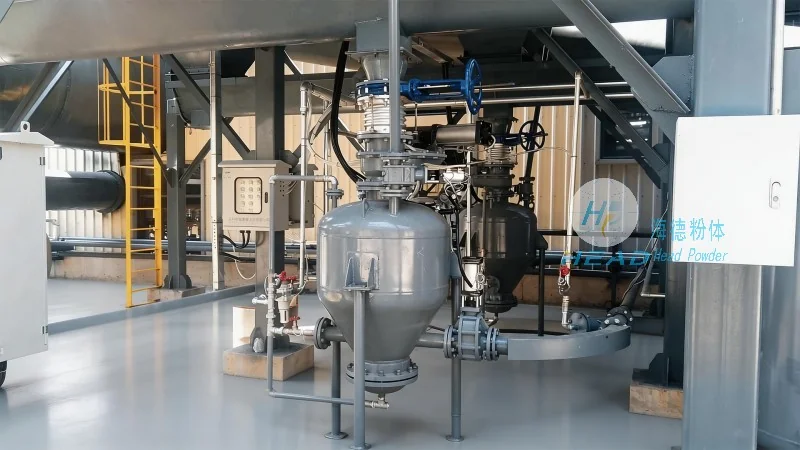
Key Considerations for Selecting the Right Conveying Method
When choosing between positive and negative pressure conveying for asbestos powder, several factors must be evaluated to ensure optimal performance and safety. Material properties, such as particle size, density, and moisture content, play a significant role in determining the most suitable system. For example, coarse or high-density asbestos powder may benefit from the higher air velocity and load capacity of positive pressure systems, while fine or moisture-sensitive powders might require the gentler handling of negative pressure systems. System design considerations, including pipeline length, number of transfer points, and required flow rates, also influence the selection. Additionally, operational costs, maintenance requirements, and environmental regulations must be taken into account. Positive pressure systems typically have lower maintenance costs due to fewer moving parts, whereas negative pressure systems may require more frequent filter changes to prevent dust accumulation. Safety protocols are paramount when handling asbestos powder, as both systems must comply with occupational health and safety standards to minimize exposure risks. The choice of conveying method should align with the specific needs of the application, balancing efficiency, safety, and cost-effectiveness.
Conclusion: Tailoring Conveying Solutions for Asbestos Powder Handling
Both positive pressure and negative pressure pneumatic conveying methods offer viable solutions for transporting asbestos powder, each with its own set of advantages and limitations. Positive pressure systems excel in high-volume, long-distance applications where robust material handling and efficient energy use are critical. Negative pressure systems, on the other hand, provide gentle handling and enhanced safety for sensitive or hazardous materials, making them suitable for shorter distances or applications requiring minimal particle degradation. The optimal choice depends on the specific characteristics of the asbestos powder, the operational requirements of the facility, and the safety considerations in place. HeadPowder, with its expertise in material handling, can provide customized solutions that integrate the most appropriate conveying method to meet the unique needs of each client. By understanding the nuances of both positive and negative pressure systems, industries can ensure the safe, efficient, and cost-effective transport of asbestos powder, adhering to industry standards and regulatory requirements.




