HeadPowder, a leading provider in the field of material handling solutions, specializes in advanced pneumatic conveying systems tailored for industrial applications. This article provides a detailed comparison between positive pressure and negative pressure conveying methods, focusing on their applications in the transport of desulfurization and denitrification agents—key components in modern environmental protection technologies.
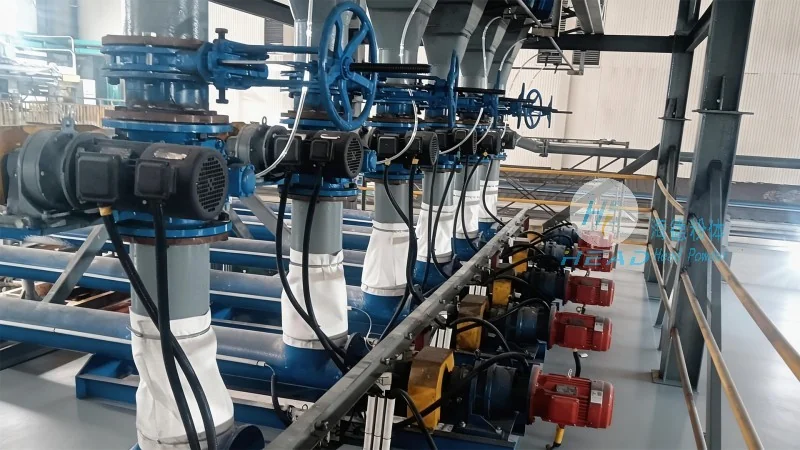
Introduction to Pneumatic Conveying Systems
Pneumatic conveying is a widely used technique for transporting bulk materials, including powders and granules, over relatively long distances. It offers advantages such as low maintenance, high efficiency, and the ability to handle hazardous or sensitive materials. In the context of desulfurization and denitrification processes, which are critical for reducing air pollution from industrial emissions, selecting the appropriate conveying method is essential for operational efficiency and safety.
Positive Pressure Conveying: Working Principle and Characteristics
Positive pressure conveying, also known as pressure conveying, operates by blowing air or a carrier gas into a sealed pipeline under pressure. The material is fed into the system and is carried forward by the pressurized air. This method is typically used for short to medium distances and is effective for transporting materials that are free-flowing and non-abrasive. In the case of desulfurization and denitrification agents, which often include calcium-based powders or other fine chemicals, positive pressure systems can handle these materials efficiently, ensuring minimal degradation or loss during transport.
Key advantages of positive pressure conveying include high conveying capacity, the ability to handle abrasive materials with appropriate equipment, and the flexibility to integrate with existing plant infrastructure. However, it also has limitations, such as higher energy consumption due to the need to maintain system pressure and the potential for material degradation if the system is not properly designed or maintained.
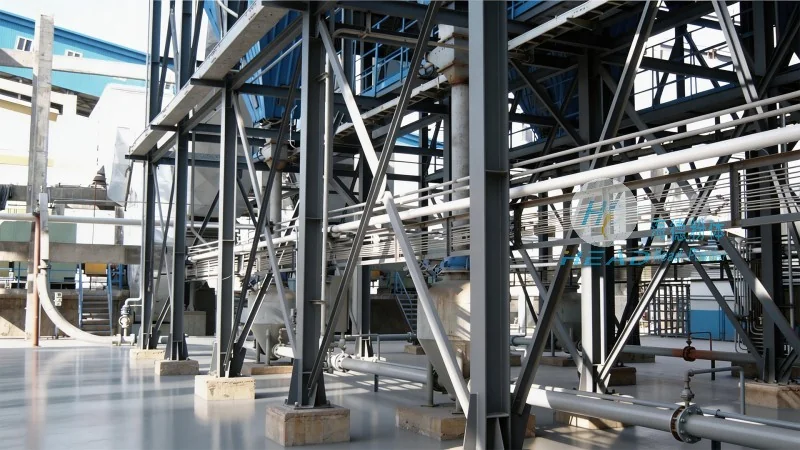
Negative Pressure Conveying: Working Principle and Characteristics
Negative pressure conveying, or vacuum conveying, operates by creating a vacuum in the pipeline, which draws material from the source into the system. The material is then transported to the destination by the suction created by the vacuum. This method is commonly used for longer distances and is suitable for materials that are fine, dusty, or have a tendency to clog. For desulfurization and denitrification agents, negative pressure systems are particularly effective when dealing with powders that are prone to agglomeration or have low bulk density.
Advantages of negative pressure conveying include lower energy consumption compared to positive pressure systems, as the vacuum is generated by a relatively small pump. It also allows for the collection of materials from multiple sources and can handle materials that are sensitive to pressure or temperature changes. However, it has drawbacks such as lower conveying capacity, the need for careful filtration to prevent dust accumulation, and potential issues with material blockage in the suction line.
Comparison of Positive and Negative Pressure Conveying for Desulfurization and Denitrification Agents
When selecting between positive and negative pressure conveying for desulfurization and denitrification agents, several factors must be considered. The primary considerations include the distance of transport, the properties of the material (e.g., particle size, moisture content, flowability), and the overall system cost and maintenance requirements.
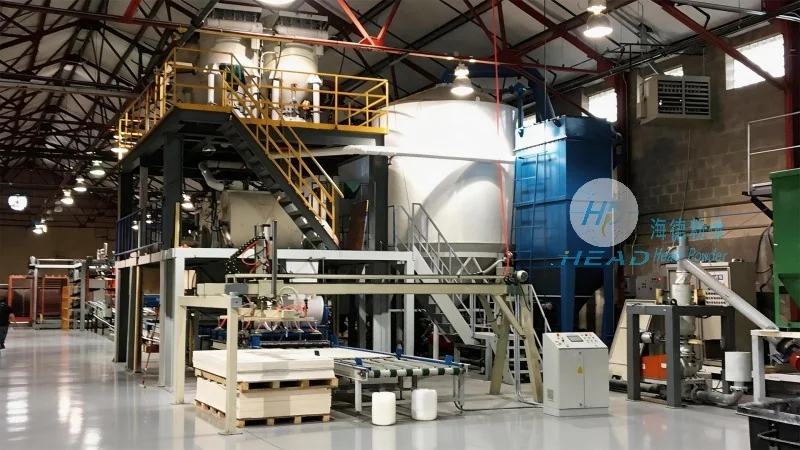
For short to medium distances (typically up to 100 meters) with free-flowing, non-abrasive materials, positive pressure conveying is often the preferred choice due to its higher capacity and efficiency. It is particularly suitable for applications where the material is already in a well-mixed state and requires minimal handling. For example, in a power plant's flue gas desulfurization (FGD) system, positive pressure systems can efficiently transport calcium hydroxide or limestone slurry to the reaction tower.
Conversely, for longer distances (up to several hundred meters) or when dealing with fine, dusty, or cohesive powders, negative pressure conveying may be more appropriate. This is because the vacuum system can handle materials with lower flowability and can collect material from multiple points without the need for additional feeders. For instance, in a denitrification process where ammonia is injected into the flue gas, negative pressure systems can effectively transport the ammonia solution to the injection points, even over longer distances without significant material loss.
Key Considerations for System Design and Implementation
Regardless of the chosen method, proper system design is crucial for optimal performance. For positive pressure systems, factors such as pipeline diameter, air velocity, and the use of cyclones or filters to separate material from air are critical. The system must also be equipped with pressure relief valves and proper sealing to prevent leaks and maintain efficiency. For negative pressure systems, the design must focus on maintaining a consistent vacuum level, using appropriate filters to prevent dust from entering the vacuum pump, and ensuring that the suction line is free from blockages.
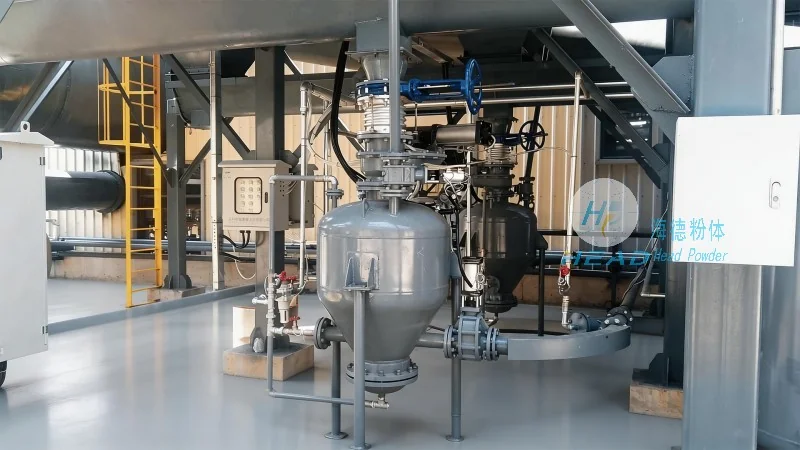
Material properties play a significant role in system selection. Desulfurization and denitrification agents often include components with varying particle sizes and moisture content. For example, limestone used in FGD may have a wide particle size distribution, which can affect the flowability and require adjustments to the conveying system. Similarly, ammonia solutions used in denitrification may have a higher viscosity, impacting the suction capacity of negative pressure systems.
Conclusion: Choosing the Right Conveying Method
Both positive and negative pressure conveying methods offer viable solutions for transporting desulfurization and denitrification agents, but the choice depends on specific operational requirements and material characteristics. Positive pressure conveying is generally more suitable for shorter distances and free-flowing materials, while negative pressure conveying is better suited for longer distances and more challenging materials.
HeadPowder, with its expertise in material handling and environmental technologies, provides customized pneumatic conveying solutions tailored to the unique needs of each industrial application. By carefully evaluating the distance, material properties, and system constraints, companies can select the most efficient and cost-effective conveying method to ensure smooth operation of their desulfurization and denitrification processes.




