HeadPowder, a leading engineering company based in Shandong, China, specializes in providing advanced pneumatic conveying solutions for the lithium-ion battery industry. In the production and processing of lithium-ion battery anode materials, efficient and safe material handling is crucial. This article provides a comparative analysis of positive pressure and negative pressure conveying methods, helping clients choose the most suitable option for their specific needs.
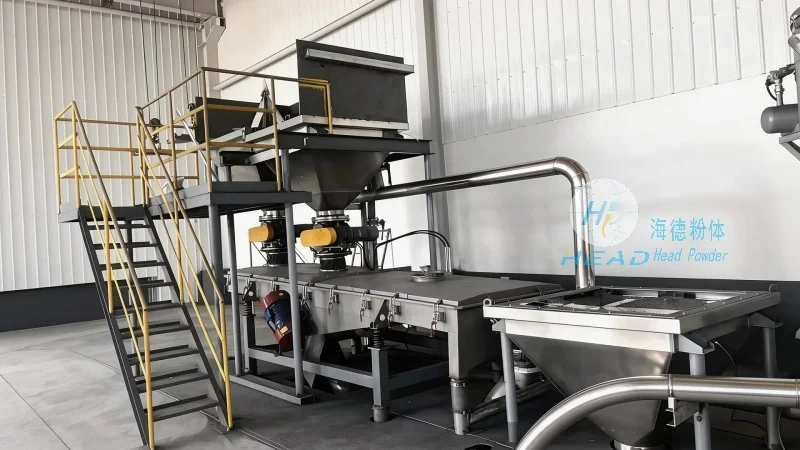
Positive Pressure Conveying: Advantages and Applications
Positive pressure conveying systems utilize compressed air to transport materials from the source to the destination, maintaining a pressure higher than atmospheric pressure within the system. HeadPowder's positive pressure conveying equipment typically includes high-efficiency separators, gas-solid separation devices, and pressure control components, ensuring that the anode materials remain dry and free from contamination during transport. This method is particularly suitable for short-distance, high-concentration material transport, especially for fragile or sensitive anode materials such as graphite and silicon-carbon composites. The advantages of positive pressure conveying include high transport efficiency, excellent system sealing, and easy control, which helps maintain material purity by minimizing contact with the environment. However, the system requires high sealing performance, as long-term operation may lead to leakage risks, and it demands higher compressed air pressure, resulting in relatively higher energy consumption.
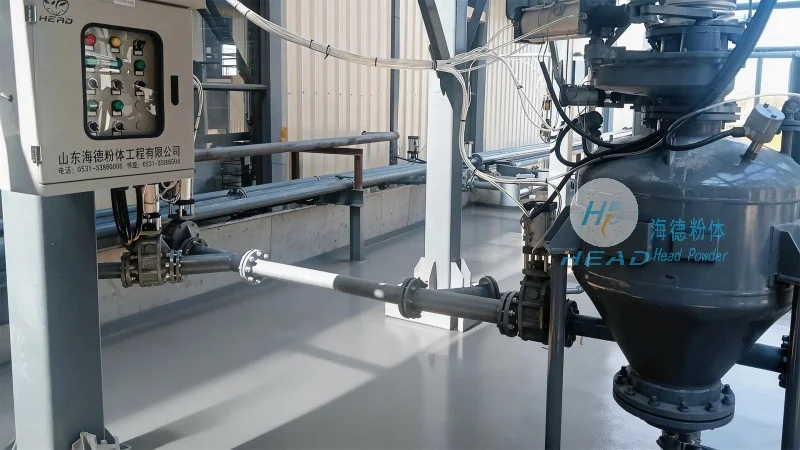
Negative Pressure Conveying: Characteristics and Suitability
Negative pressure conveying systems create a vacuum within the transport pipeline using a vacuum pump, with a pressure lower than atmospheric pressure. HeadPowder's negative pressure conveying equipment consists of suction nozzles, transport pipelines, gas-solid separators, and vacuum pumps, making it suitable for long-distance, low-concentration material transport. The benefits of negative pressure conveying include lower environmental sealing requirements, relatively simple operation, and the ability to handle large quantities of materials. However, the energy consumption may be higher than that of positive pressure systems, especially for long-distance transport, as the vacuum pump requires significant power. Additionally, the system is more sensitive to material moisture content; high humidity levels can lead to pipeline blockages or reduced separation efficiency.
Comparative Analysis: Key Factors to Consider
When comparing positive and negative pressure conveying, several factors must be evaluated. From the perspective of transport distance, positive pressure conveying is generally suitable for short distances (usually within 100 meters), while negative pressure conveying can cover longer distances (hundreds of meters or more). In terms of material characteristics, positive pressure conveying is better suited for dry, fine-grained anode materials, whereas negative pressure conveying has a higher tolerance for moisture in the material. From the cost and energy consumption standpoint, positive pressure conveying has lower costs and moderate energy consumption for short-distance, high-concentration transport, whereas negative pressure conveying has higher energy consumption for long-distance transport but may have lower initial investment costs. Regarding operation and maintenance, positive pressure conveying requires advanced sealing technology with potentially higher maintenance costs, while negative pressure conveying has relatively simple operation and longer maintenance intervals.
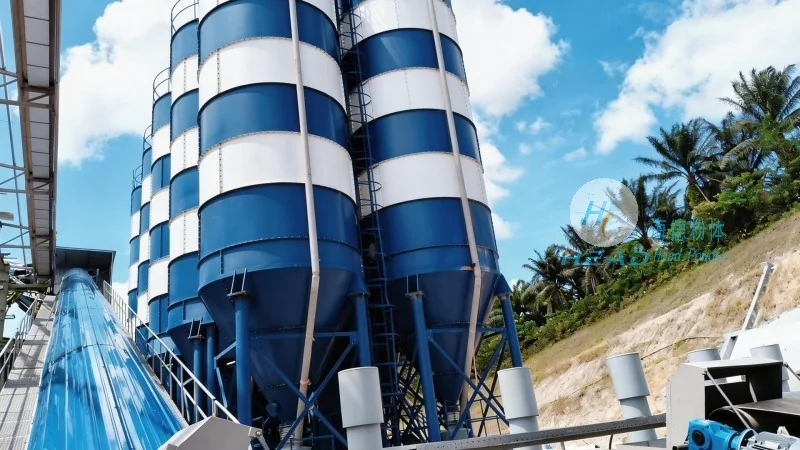
HeadPowder's Customized Solutions
HeadPowder, as a leading supplier of anode material conveying technologies, offers customized solutions based on client requirements. By leveraging its professional technical team and advanced equipment, HeadPowder provides tailored positive or negative pressure conveying systems. Whether it's the high-efficiency, sealed characteristics of positive pressure conveying or the long-distance adaptability of negative pressure conveying, HeadPowder ensures the optimal balance between transport efficiency, material purity, and system reliability. The company designs the most suitable conveying system according to the client's production process, material properties, and transport distance, meeting the material handling needs in the lithium-ion battery anode material production process and ensuring both production efficiency and product quality.




