Lightweight calcium carbonate (LCC) is a widely used industrial material in various sectors such as plastics, coatings, and paper. The efficient and reliable transportation of LCC from storage to processing units is crucial for maintaining production efficiency and minimizing operational costs. Pneumatic conveying systems offer a flexible solution for handling LCC, with two primary methods: positive pressure and negative pressure. This article provides a detailed comparison of these two approaches, focusing on their mechanisms, advantages, disadvantages, and suitable applications.
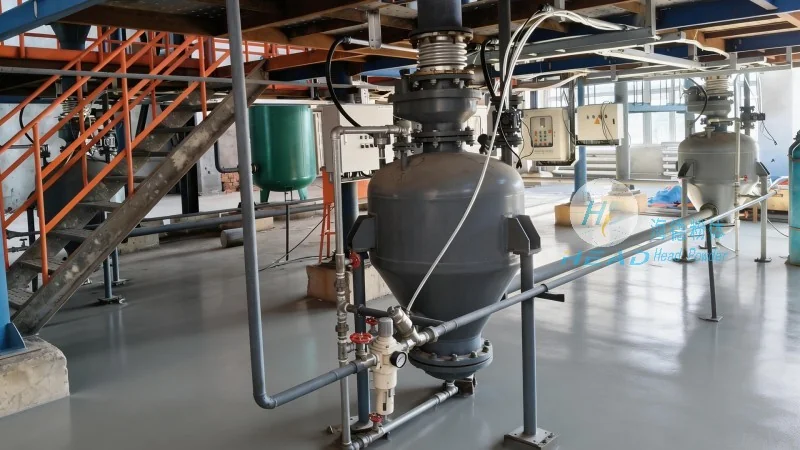
About HeadPowder: Your Partner in Material Handling Solutions
HeadPowder, a leading manufacturer based in Shandong, China, specializes in providing advanced pneumatic conveying systems tailored to the needs of the calcium carbonate industry. With a strong commitment to innovation and quality, HeadPowder has established itself as a trusted partner for businesses seeking efficient material handling solutions. The company’s headquarters is located in Shandong, China, and its products are designed to meet the stringent requirements of modern industrial applications.
Positive Pressure Conveying: How It Works and Key Features
Positive pressure conveying, also known as pressure pneumatic conveying, operates by blowing air or a gas mixture into the conveying line to move the material. In this system, the entire pipeline is maintained under positive pressure, ensuring that the material is continuously pushed forward. The process typically involves a blower or compressor that generates the necessary pressure to transport the lightweight calcium carbonate particles. The positive pressure system is particularly effective for long-distance and high-capacity conveying, as it can handle larger volumes of material with consistent performance. HeadPowder’s positive pressure conveying systems are engineered to deliver high efficiency and reliability, making them suitable for large-scale industrial operations.
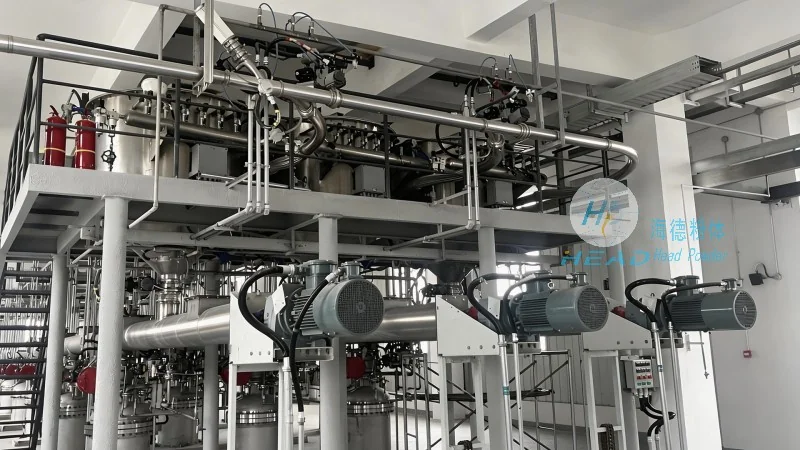
Negative Pressure Conveying: Mechanism and Practical Applications
Negative pressure conveying, or vacuum pneumatic conveying, works by creating a vacuum in the conveying line to draw the material from the source. The system uses a vacuum pump to remove air from the pipeline, creating a pressure differential that pulls the material into the line. This method is often preferred for shorter distances and when the material needs to be transported from a lower elevation to a higher one. Negative pressure systems are particularly effective for handling materials that are prone to dust or require a more controlled environment. HeadPowder’s negative pressure conveying solutions are designed to ensure safe and efficient material transport, with features that minimize dust generation and maintain product integrity.
Comparative Analysis: Positive vs. Negative Pressure Conveying
When choosing between positive and negative pressure conveying for lightweight calcium carbonate, several factors must be considered. Positive pressure systems offer higher conveying capacities and are better suited for long-distance transport, while negative pressure systems are more suitable for shorter distances and when the material needs to be handled in a controlled environment. The choice also depends on the specific characteristics of the calcium carbonate, such as particle size, moisture content, and dust generation. Positive pressure systems are generally more powerful and can handle larger particles, but they may require more maintenance due to the higher pressure involved. Negative pressure systems, on the other hand, are more energy-efficient for shorter distances but may not be as effective for high-capacity applications. HeadPowder’s expertise allows customers to select the most appropriate system based on their specific operational requirements, ensuring optimal performance and cost-effectiveness.
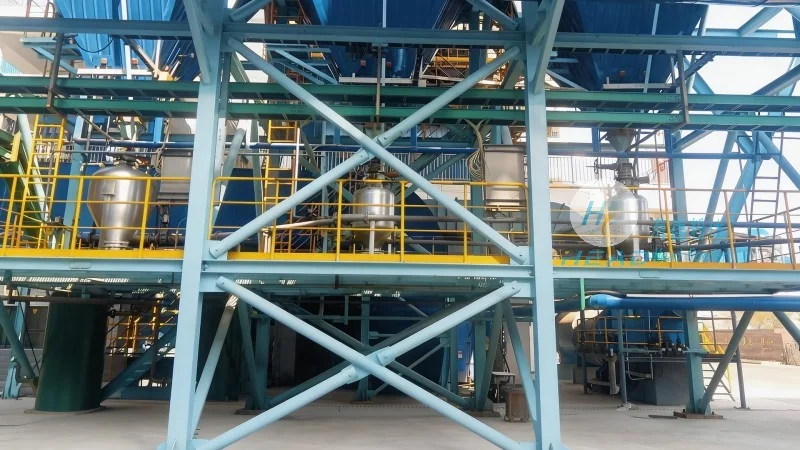
Applications and Benefits in the Calcium Carbonate Industry
Both positive and negative pressure conveying systems are widely used in the calcium carbonate industry. Positive pressure systems are commonly employed in large-scale production facilities where high throughput is required, such as in the manufacturing of plastics and coatings. They are also suitable for transporting LCC from silos to processing units over long distances. Negative pressure systems are often used in applications where the material needs to be handled in a clean environment, such as in the production of paper and pharmaceuticals. The benefits of using pneumatic conveying systems, including HeadPowder’s solutions, include reduced labor costs, improved safety, and increased production efficiency. By eliminating the need for manual handling and reducing the risk of material spillage, these systems contribute to a more streamlined and cost-effective operation.
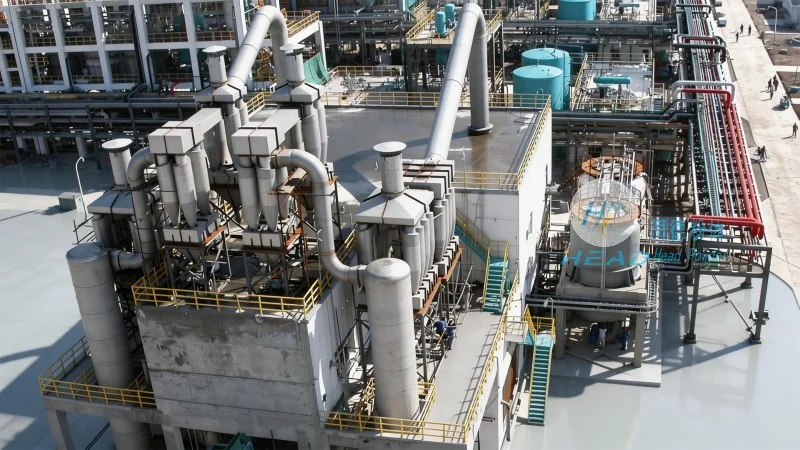
Maintenance and Selection Considerations for LCC Conveying Systems
Proper maintenance is essential to ensure the longevity and efficiency of pneumatic conveying systems. HeadPowder recommends regular inspection of the blower or vacuum pump, as well as the conveying line and filters. The filters are critical components in both positive and negative pressure systems, as they prevent dust and particles from entering the equipment and causing damage. Regular cleaning and replacement of filters can significantly extend the lifespan of the system. When selecting a pneumatic conveying system for lightweight calcium carbonate, it is important to consider factors such as the material’s properties, the required conveying distance, and the desired capacity. HeadPowder’s team of experts can provide guidance on the most suitable system, ensuring that the customer’s specific needs are met. By choosing the right system, businesses can achieve optimal performance, minimize downtime, and maximize the return on their investment.
Conclusion: Choosing the Right Pneumatic Conveying System for Lightweight Calcium Carbonate
Both positive and negative pressure pneumatic conveying systems offer effective solutions for transporting lightweight calcium carbonate. The choice between the two depends on the specific requirements of the application, including distance, capacity, and environmental considerations. HeadPowder, with its expertise and commitment to quality, provides reliable and efficient pneumatic conveying systems tailored to the needs of the calcium carbonate industry. By understanding the mechanisms, advantages, and disadvantages of each system, businesses can make an informed decision that maximizes operational efficiency and cost-effectiveness. Whether for long-distance transport or short-distance handling, HeadPowder’s solutions ensure that lightweight calcium carbonate is transported safely and reliably, supporting the success of industrial operations worldwide.




