Caustic soda, also known as sodium hydroxide, is a widely used chemical in various industrial processes. The safe and efficient transportation of caustic soda is crucial for maintaining operational efficiency and ensuring product integrity. Pneumatic conveying systems have emerged as a reliable solution for handling caustic soda, offering advantages such as minimal product contamination, reduced risk of dust exposure, and the ability to transport materials over long distances. This article explores the different types of pneumatic conveying systems used in caustic soda transport and their practical applications.
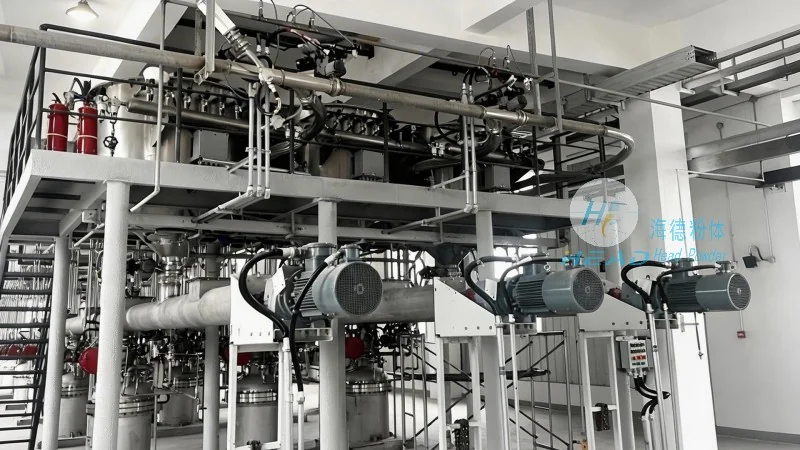
Types of Pneumatic Conveying Systems for Caustic Soda
There are primarily two types of pneumatic conveying systems commonly employed in caustic soda handling: positive pressure and negative pressure systems. Each type has distinct characteristics and is suitable for different operational requirements.
Positive pressure systems, also known as pressure conveying systems, operate by blowing air or other gases into the conveying line to move the material. These systems are often preferred for applications requiring high material flow rates and long transport distances. They are particularly effective for transporting caustic soda from storage silos to processing units or for moving materials through multiple stages of a production line. The positive pressure system ensures that the material is continuously pushed forward, reducing the risk of clogging and maintaining consistent flow rates.
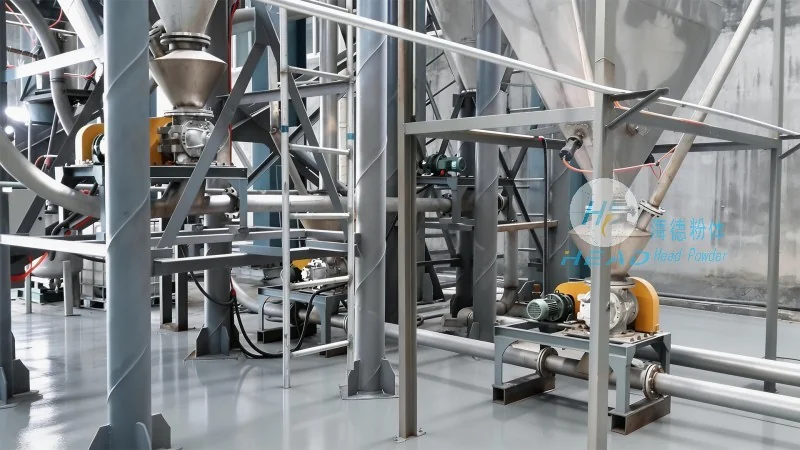
Negative pressure systems, or vacuum conveying systems, work by creating a vacuum in the conveying line to draw the material from the source. This method is ideal for applications where the material needs to be transported from a lower elevation or where the risk of dust leakage is a concern. Negative pressure systems are commonly used for handling caustic soda in environments where dust control is critical, such as in pharmaceutical or food processing industries. They are also suitable for short to medium distance transport and for materials that are sensitive to pressure changes.
Practical Applications of Pneumatic Conveying Systems in Caustic Soda Transport
Pneumatic conveying systems find extensive use in various industrial applications involving caustic soda. One of the primary applications is the transfer of caustic soda from bulk storage tanks to production lines. This process is critical in chemical manufacturing, where caustic soda is used as a key raw material in the production of soaps, detergents, and other chemical products. The use of pneumatic conveying ensures that the caustic soda is transported without any contamination from external sources, maintaining its purity and effectiveness.
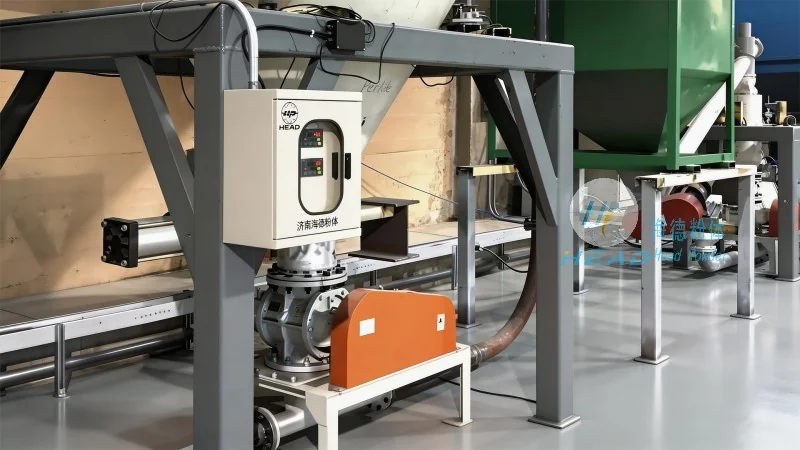
Another practical application is the handling of caustic soda in the pulp and paper industry. Here, caustic soda is used as a chemical for pulping and bleaching processes. Pneumatic conveying systems are used to transport the caustic soda from storage facilities to the processing units, ensuring a smooth and continuous supply of the chemical. This not only improves operational efficiency but also reduces the risk of accidents associated with manual handling of caustic soda.
In the water treatment industry, caustic soda is used for pH adjustment and water softening. Pneumatic conveying systems are employed to transport the caustic soda from storage to the treatment plants. The systems are designed to handle the corrosive nature of caustic soda, using materials such as stainless steel or special coatings to prevent corrosion and ensure durability. This application is vital for maintaining the quality of water treatment processes and ensuring compliance with environmental regulations.
Advantages of Using Pneumatic Conveying Systems for Caustic Soda
Implementing pneumatic conveying systems for caustic soda transport offers several advantages over traditional methods. One of the key benefits is the reduction in labor costs and operational risks. Unlike manual handling, pneumatic systems eliminate the need for workers to handle heavy or hazardous materials, thereby improving workplace safety. Additionally, these systems reduce the risk of product contamination, which is crucial for maintaining the quality of caustic soda, especially in applications where it is used as a food additive or in pharmaceutical manufacturing.
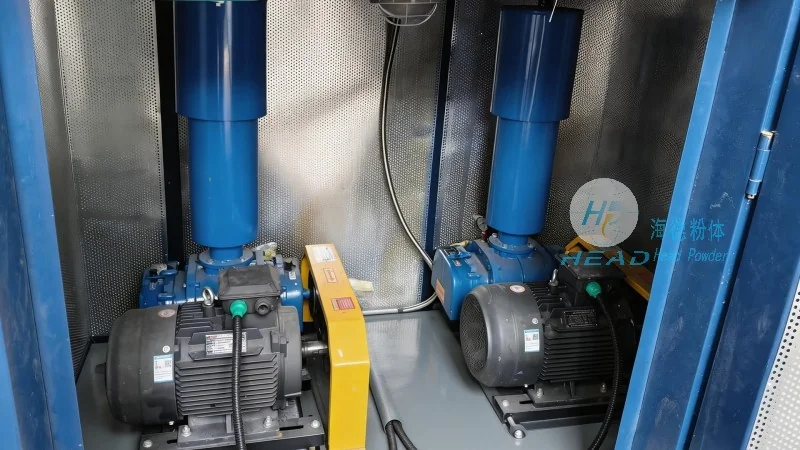
Another advantage is the ability to transport caustic soda over long distances with minimal loss. Pneumatic conveying systems can handle distances ranging from a few meters to several kilometers, depending on the system design and the material properties. This flexibility allows manufacturers to optimize their production layouts and improve overall operational efficiency. Furthermore, these systems are highly adaptable and can be integrated with existing production lines, making them a cost-effective solution for upgrading or expanding caustic soda handling capabilities.
Conclusion
Pneumatic conveying systems are an essential technology for the safe and efficient transport of caustic soda in various industrial applications. The choice between positive and negative pressure systems depends on the specific operational requirements, such as material flow rate, distance, and environmental considerations. By leveraging the advantages of pneumatic conveying, industries can enhance their operational efficiency, improve product quality, and ensure workplace safety. As a leading provider of engineering solutions, Shandong HeadPowder Engineering Co., Ltd. specializes in designing and implementing customized pneumatic conveying systems tailored to the unique needs of caustic soda transport. With our expertise and commitment to quality, we help industries optimize their caustic soda handling processes and achieve sustainable growth.




