Pneumatic conveying systems have become a crucial component in modern feed processing and transportation. These systems utilize air to transport bulk materials like feed ingredients, ensuring efficient, hygienic, and cost-effective movement within feed mills and across different facilities. The technology has evolved significantly, offering various types tailored to specific operational needs, from handling fine powders to bulk materials. Understanding the different types and their practical applications is essential for optimizing feed production and logistics.
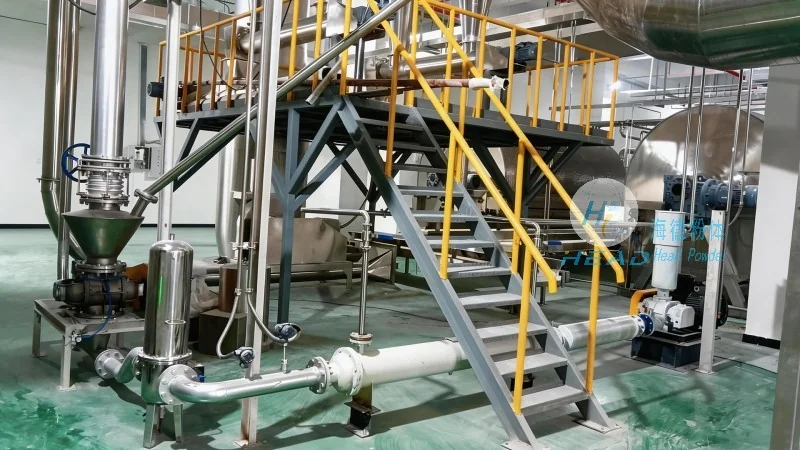
Types of Pneumatic Conveying Systems for Feed Transportation
There are primarily two main categories of pneumatic conveying systems used in the feed industry: positive pressure and negative pressure systems. Each type has distinct characteristics and is suitable for different material properties and process requirements.
Positive Pressure Pneumatic Conveying Systems
Positive pressure systems operate by blowing air into the conveying line, creating a pressure higher than the ambient air. This method is ideal for transporting fine powders and granular materials that are prone to dust and require a closed system to maintain hygiene. The system typically uses a blower or a positive displacement pump to generate the necessary pressure. Positive pressure conveyors are often preferred in feed mills where the material is sensitive to moisture or contamination, as the sealed system prevents exposure to the environment. They are also effective for long-distance and high-capacity transport, making them suitable for large-scale feed production facilities.
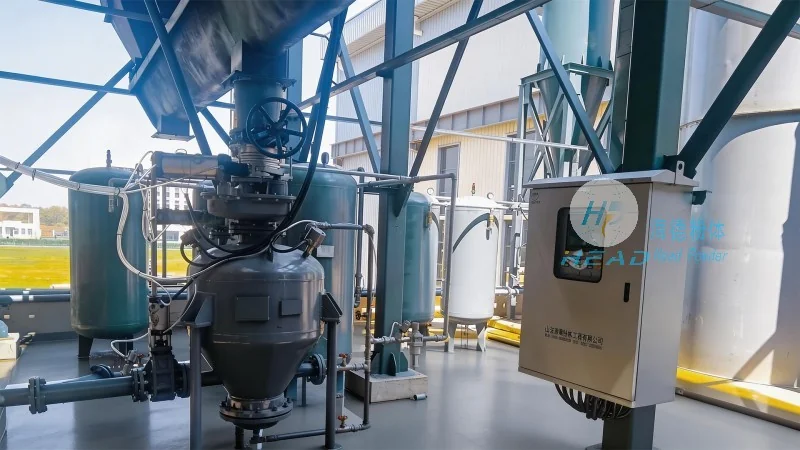
Negative Pressure Pneumatic Conveying Systems
Negative pressure systems, also known as vacuum conveyors, work by creating a vacuum in the conveying line, drawing material into the system. This approach is commonly used for handling bulk materials that are less dusty or for applications where the material needs to be collected from multiple points. Negative pressure conveyors are generally more energy-efficient for short to medium distances and are suitable for transporting materials with higher moisture content or larger particle sizes. They are often employed in feed processing plants where the material is already in a more compact form, such as pellets or coarse grains.
Other Specialized Pneumatic Conveying Technologies
Beyond the basic positive and negative pressure systems, several specialized technologies are used in feed transportation to address specific challenges. These include dilute phase and dense phase conveying, which differ in the air-to-material ratio and the resulting conveying velocity. Dilute phase systems use a higher air flow rate, resulting in faster but less efficient transport, while dense phase systems use a lower air flow rate, allowing for more controlled and gentle material handling. For feed applications, dense phase systems are particularly useful for transporting sensitive materials like vitamins, minerals, or high-value additives, as they minimize particle degradation and maintain product quality.
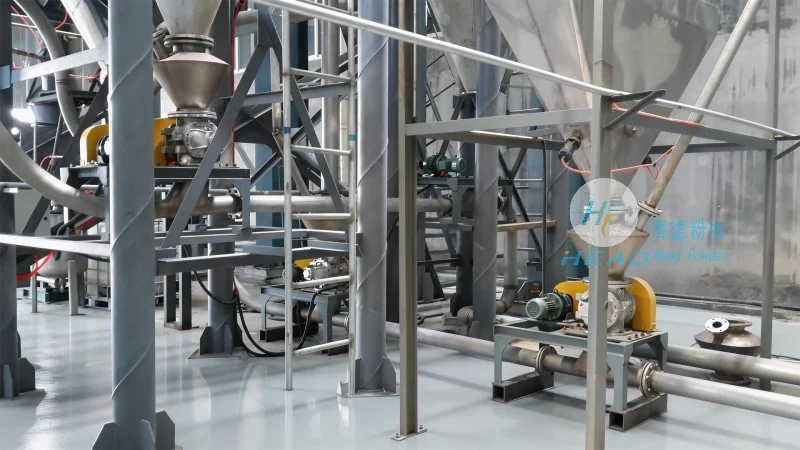
Practical Applications of Pneumatic Conveying Systems in Feed Industry
The versatility of pneumatic conveying systems makes them applicable in various stages of feed production and distribution. In feed mills, these systems are used for transporting raw materials such as corn, soybean meal, and wheat from storage silos to processing equipment. They are also employed in the mixing and blending stages, where different ingredients are conveyed to the mixer to achieve the desired formulation. During the packaging phase, pneumatic conveyors help move finished feed products from the production line to storage silos or loading areas for distribution. Additionally, these systems are used in the handling of byproducts and waste materials, ensuring proper segregation and disposal in compliance with environmental regulations.
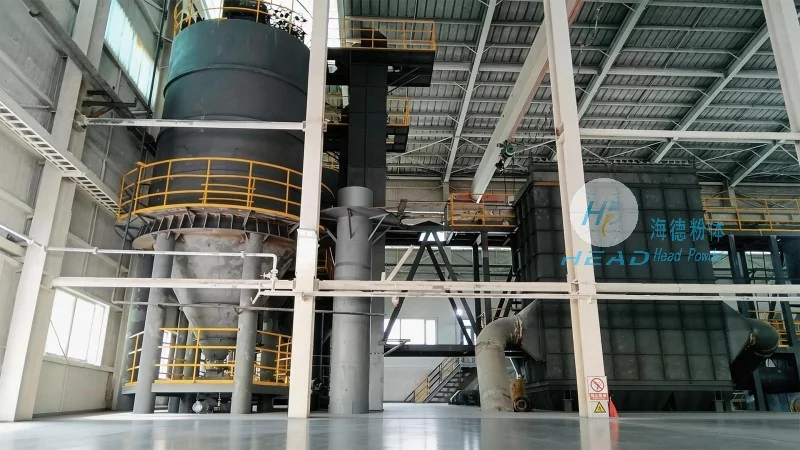
Benefits of Implementing Pneumatic Conveying Systems in Feed Transportation
Adopting pneumatic conveying systems in feed processing offers numerous advantages. Firstly, they provide a hygienic and dust-free environment, which is critical for maintaining the quality and safety of feed products. The closed system prevents contamination from external sources and reduces the risk of cross-contamination between different ingredients. Secondly, these systems enhance operational efficiency by reducing labor costs and minimizing downtime associated with manual handling. Automated conveying reduces the need for manual loading and unloading, improving throughput and productivity. Thirdly, pneumatic conveyors offer flexibility in material handling, allowing for the transport of various feed components with different properties and particle sizes. This adaptability makes them suitable for diverse feed formulations and production scales. Finally, the energy efficiency of modern pneumatic systems, especially dense phase designs, contributes to lower operational costs and reduced environmental impact, aligning with sustainability goals in the feed industry.
About Shandong HeadPowder Engineering Co., Ltd.
Shandong HeadPowder Engineering Co., Ltd., commonly known as headpowder, is a leading provider of advanced pneumatic conveying solutions tailored for the feed industry. With a focus on innovation and customer-centric design, the company specializes in developing customized systems that meet the unique requirements of feed mills and processing facilities. HeadPowder's expertise lies in integrating state-of-the-art technology with practical application, ensuring that their systems are not only efficient but also reliable and durable. The company's facilities are located in Shandong, China, where it leverages local manufacturing capabilities to deliver high-quality products and services to clients worldwide. By combining technical knowledge with industry experience, headpowder helps feed producers optimize their operations, improve product quality, and enhance overall profitability.




