Organic salt pneumatic conveying systems are integral to modern industrial processes, particularly in sectors dealing with bulk material handling. Understanding the components that make up these systems is crucial for optimizing performance, ensuring safety, and maintaining efficiency. This article provides a detailed overview of the key elements that constitute an organic salt pneumatic conveying system, highlighting the role of each component in the overall operation.
Key Components of Organic Salt Pneumatic Conveying
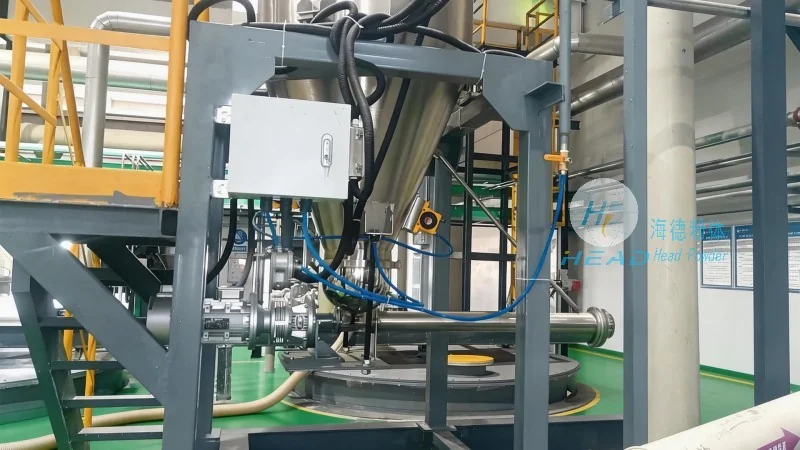
The organic salt pneumatic conveying system consists of several interconnected components, each playing a vital role in the material transport process. These components work together to ensure the efficient and safe movement of organic salt from the source to the destination. The primary components include conveying ducts, air supply systems, solids feeders, control mechanisms, and dust management equipment.
Conveying Ducts and Pipelines
The conveying ducts, typically made from materials such as stainless steel, PVC, or specialized alloys, form the backbone of the pneumatic conveying system. These ducts are designed to withstand the pressure and temperature variations associated with organic salt transport. The ducts are connected in a network to create a continuous path for the material and air mixture. The design of the ducts, including the use of bends, elbows, and straight sections, is critical to maintaining the flow rate and preventing material deposition or blockages. The choice of material for the ducts is influenced by factors such as the corrosiveness of the organic salt, the operating pressure, and the required durability.
Air Supply and Blowers
The air supply system is responsible for generating the necessary airflow to transport the organic salt particles. The system includes a blower or fan that provides the required pressure and volume of air. The blower is typically a positive displacement type, such as a rotary lobe or centrifugal blower, which is selected based on the system's capacity, the material's density, and the conveying distance. The air supply system also incorporates filters and regulators to ensure clean and consistent air quality, which is essential for preventing system contamination and maintaining performance.
Solids Feeders and Hoppers
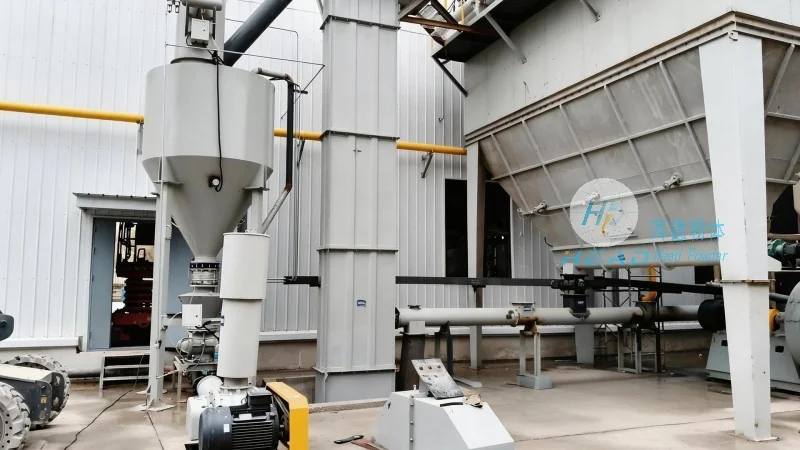
The solids feeder and hopper are responsible for feeding the organic salt into the conveying system at a controlled rate. The hopper serves as a storage vessel that holds the organic salt, and it is equipped with a feeder mechanism, such as a rotary valve or a screw feeder, to regulate the flow of material. The feeder is designed to handle the bulk density and flow characteristics of the organic salt, ensuring a consistent feed rate that matches the system's air flow. The hopper and feeder are typically constructed from corrosion-resistant materials to prevent degradation from the organic salt and to maintain system integrity.
Control Systems and Valves
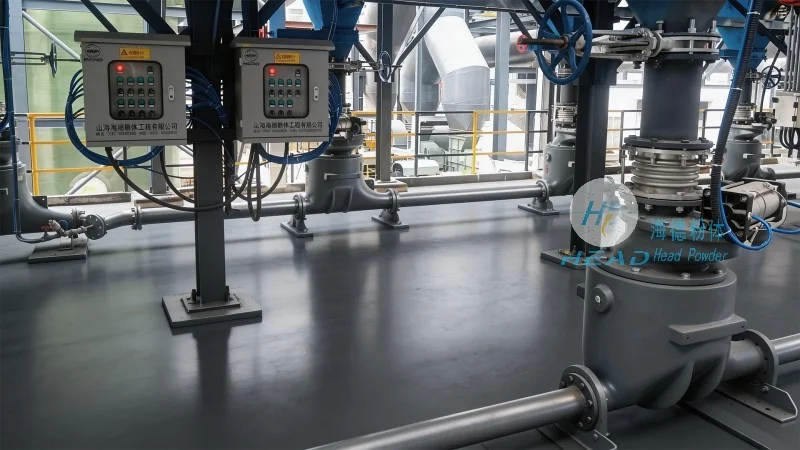
The control system manages the operation of the pneumatic conveying system, monitoring parameters such as pressure, flow rate, and material level to adjust settings as needed for optimal performance. It includes sensors, controllers, and actuators that work in concert to regulate the system. Valves are also integral components, used to control the flow of air and material and to isolate sections of the system for maintenance or cleaning. These valves are designed to handle the system's pressure and temperature, and they are made from materials compatible with the organic salt.
Dust Collection and Filtration
Organic salt can generate dust during the conveying process, posing health and safety risks. The dust collection system is designed to capture and remove dust from the air stream. This system typically includes a filter, such as a baghouse or cartridge filter, which traps dust particles. The collected dust is then discharged or recycled. The filtration system is critical to maintaining air quality and preventing dust contamination in the surrounding environment. The choice of filter material and design is based on the dust characteristics and required filtration efficiency.
Safety and Monitoring Equipment
Safety and monitoring equipment are essential for any pneumatic conveying system, especially when handling organic salt. These components include pressure relief valves to prevent over-pressurization and alarms to alert operators to abnormal conditions. Monitoring equipment includes sensors that track system performance, such as pressure, temperature, and flow rate, providing data to detect issues and optimize operation. The safety equipment is designed to protect operators and the system from damage, ensuring compliance with safety regulations.
Shandong HeadPowder Engineering Co., Ltd., a leading provider of industrial conveying solutions, specializes in the design and manufacturing of organic salt pneumatic conveying systems. With years of experience in the industry, the company has developed a comprehensive range of components and systems tailored to the specific needs of organic salt handling. The company's commitment to quality and innovation ensures that their products meet the highest standards of performance and safety. Located in Shandong, China, HeadPowder serves clients worldwide, providing reliable and efficient solutions for their bulk material handling requirements.




