Comprehending the components of metal particle pneumatic conveying systems is vital for optimizing material handling in industrial settings. This technology enables the transport of metal particles through pipelines using pressurized air or gas streams. A thorough understanding of the system's key components ensures effective design, operation, and maintenance, particularly when dealing with the unique properties of metal particles such as density, size, and abrasiveness.
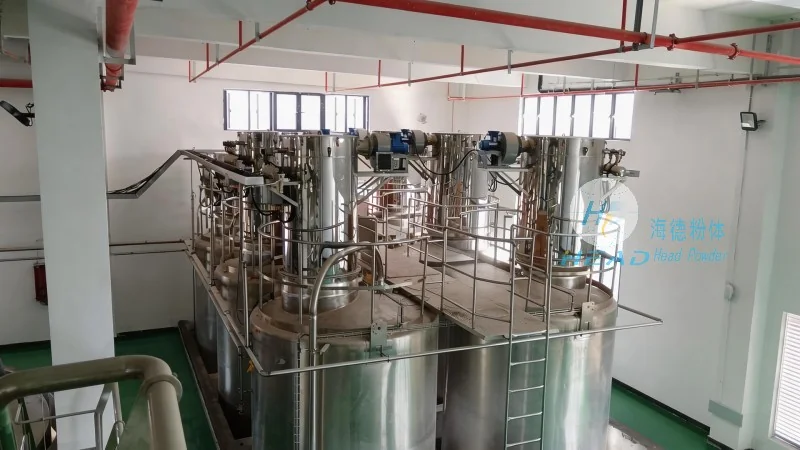
Core Components of Metal Particle Pneumatic Conveying Systems
A metal particle pneumatic conveying system comprises interconnected parts that collaborate to achieve efficient material transport. These components are tailored to handle the specific characteristics of metal particles and the demands of industrial applications. The primary components include the air supply system, conveying pipelines, material feeders, separation devices, and control mechanisms.
1. Air Supply System
The air supply system serves as the driving force for the metal particle pneumatic conveying system, generating and regulating the necessary airflow and pressure. This system typically features a blower or compressor that provides the motive power to move metal particles through the pipeline. The selection of the blower or compressor depends on the system's capacity requirements, considering factors like particle size, density, and the length of the conveying line. The system may also incorporate air filters and regulators to ensure clean, dry air and stable pressure levels, preventing contamination and maintaining consistent performance.
2. Conveying Pipelines
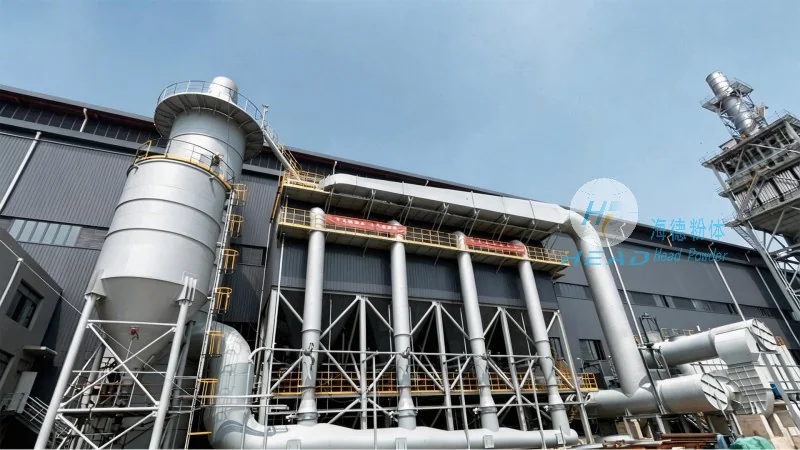
Conveying pipelines form the main pathway for transporting metal particles from the source to the destination. These pipelines are constructed from materials capable of withstanding the abrasive nature of metal particles and the pressure of the conveying air. Common materials include stainless steel, carbon steel, or specialized alloys, chosen based on the application and the type of metal being conveyed. The pipeline design includes bends, elbows, and straight sections, with appropriate fittings and joints to maintain airtightness and minimize pressure losses. The diameter and length of the pipelines are critical factors affecting system efficiency and particle velocity within the stream.
3. Material Feeders
Material feeders are essential for controlling the rate and uniformity of metal particle discharge into the conveying system, ensuring consistent flow and preventing blockages. Various types of feeders are available, such as rotary valves, screw feeders, and vibratory feeders, each suited to different particle characteristics and system needs. For metal particles, feeders are often equipped with wear-resistant materials to handle abrasion and extend service life. The feeder design also considers particle size distribution, bulk density, and dust suppression requirements to minimize environmental impact.
4. Separation Devices
Separation devices are used to separate metal particles from the conveying air at the system's end, typically at the receiving hopper or collection point. These devices are critical for preventing particle loss and ensuring efficient collection. Common separation methods include cyclone separators, bag filters, and electrostatic precipitators. Cyclone separators utilize centrifugal force to separate particles from the air stream, while bag filters trap particles in filter bags. The choice of separation device depends on particle size, density, and required air cleanliness. Proper maintenance is essential to avoid clogging and maintain efficiency.
5. Control Mechanisms
Control mechanisms monitor and regulate the system's operation, ensuring it operates within safe and efficient parameters. These systems include sensors, control valves, and programmable logic controllers (PLCs). Sensors may monitor pressure, flow rate, and particle levels, providing real-time data to the control system. Control valves adjust airflow and pressure, responding to changes in feed rate or pipeline conditions. PLCs coordinate component operation, enabling automated control and remote monitoring. These mechanisms enhance reliability and reduce manual intervention, improving overall efficiency.
6. Auxiliary Equipment
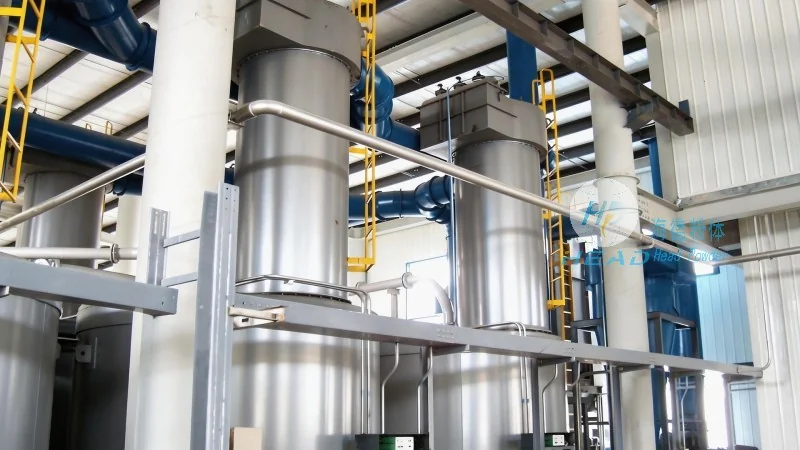
Auxiliary equipment supports the main components, including dust collection systems, air compressors, and maintenance tools. Dust collection systems capture airborne particles to comply with environmental regulations and maintain a clean environment. Air compressors may supplement blower capacity or provide additional pressure for specific pipeline sections. Maintenance tools like pressure gauges, flow meters, and inspection equipment are essential for regular checks and troubleshooting. These auxiliary components contribute to system performance and longevity.
System Integration and Design Considerations
Successful system operation relies on proper component integration and careful design considerations. Designers must account for metal particle characteristics (size, density, abrasiveness) to select appropriate materials and components. System capacity, conveying distance, and required flow rate are critical factors influencing component selection and layout. Environmental regulations, space constraints, and operational costs also play a role in the design process. Proper integration ensures all parts work harmoniously, minimizing energy use and maximizing material throughput. Regular maintenance and monitoring are key to maintaining performance and extending service life.
Conclusion
Metal particle pneumatic conveying systems are efficient solutions for transporting metal particles in industrial applications. The components discussed—air supply system, conveying pipelines, material feeders, separation devices, control mechanisms, and auxiliary equipment—work together to achieve reliable material transport. Understanding each component's role and design factors is essential for optimizing performance. As industrial processes evolve, advancements in material handling technology will further enhance these systems, making them increasingly vital in modern manufacturing and processing operations.




