Bentonite, a natural clay mineral renowned for its exceptional swelling properties, is widely utilized across various industrial sectors. Pneumatic conveying systems designed to handle bentonite are engineered to efficiently transport this material, often requiring specific components to ensure optimal performance and reliability. This article delves into the key components that constitute a typical bentonite pneumatic conveying system, highlighting the role of each element in the overall operation.
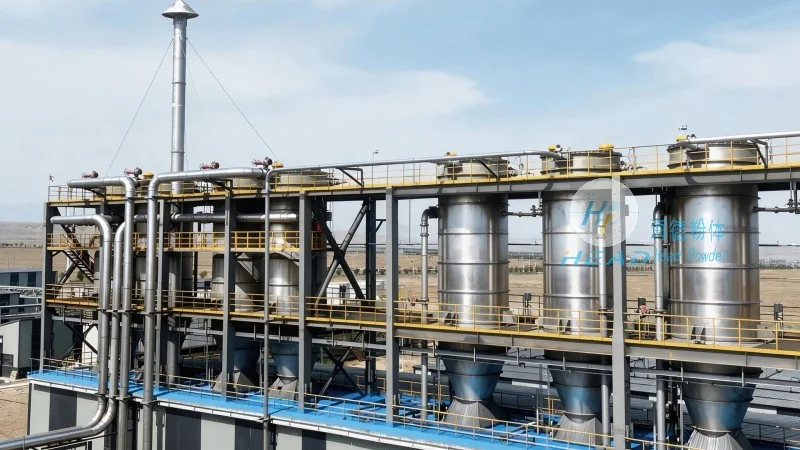
Key Components of Bentonite Pneumatic Conveying
The core components of a bentonite pneumatic conveying system encompass the material handling equipment, air supply system, and control mechanisms. Each of these components operates in tandem to facilitate the movement of bentonite from its source to the destination. The material handling equipment, such as hoppers or feeders, is responsible for storing and feeding the bentonite into the system. The air supply system, which may consist of blowers or compressors, generates the necessary airflow to transport the material through the pipeline. Control mechanisms, including valves and sensors, regulate the flow of both material and air to maintain consistent performance.
The Role of HeadPowder in Bentonite Pneumatic Conveying
Shandong HeadPowder Engineering Co., Ltd., a leading manufacturer in the field, specializes in designing and supplying high-quality pneumatic conveying solutions for bentonite applications. The company's expertise lies in understanding the unique properties of bentonite and tailoring the system components to meet specific operational requirements. By leveraging advanced engineering and material science, HeadPowder ensures that their systems are efficient, durable, and capable of handling the challenges associated with bentonite transportation.
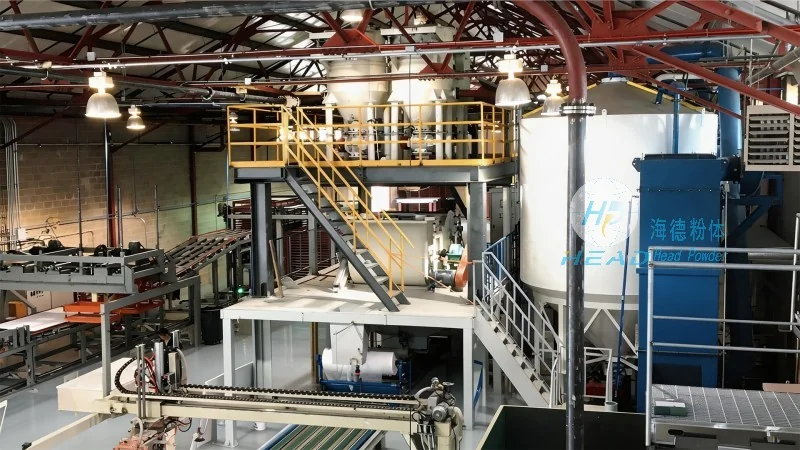
Material Handling Equipment for Bentonite
The initial stage of a bentonite pneumatic conveying system involves the material handling equipment. This typically includes a storage hopper or silo, which is designed to hold the bulk bentonite. The hopper is equipped with a feeder, such as a rotary valve or a screw conveyor, that controls the flow rate of the material into the conveying line. The feeder must be capable of handling the high moisture content and cohesive nature of bentonite, ensuring a consistent feed without blockages. Additionally, the hopper may include a level sensor to monitor the material level and trigger the feeder when necessary, preventing overfilling or underfilling.
Air Supply System: Blowers and Compressors
The air supply system is a critical component that provides the pressure and volume of air required to move the bentonite through the pipeline. For pneumatic conveying, two main types of air movers are commonly used: positive displacement blowers and centrifugal compressors. Positive displacement blowers, such as rotary lobe or roots blowers, are preferred for their ability to generate high pressure at relatively low speeds, which is ideal for handling the dense and abrasive nature of bentonite. These blowers are typically equipped with variable speed drives to adjust the airflow based on the system's needs. Compressors, on the other hand, are used in larger systems where higher airflow is required. The choice of air mover depends on factors such as the system's capacity, pressure requirements, and energy efficiency considerations.
Conveying Pipeline and Fittings
The conveying pipeline is the main channel through which the bentonite is transported. It is usually made of materials that can withstand the abrasive and corrosive properties of bentonite, such as stainless steel or high-density polyethylene (HDPE). The pipeline is designed with smooth internal surfaces to minimize friction and prevent material buildup. Fittings, including elbows, tees, and reducers, are used to direct the flow of material and air through the system. These fittings are often lined with wear-resistant materials, such as ceramic or polyurethane, to extend their service life and maintain system efficiency. The pipeline layout is carefully planned to minimize pressure losses and ensure consistent flow rates.
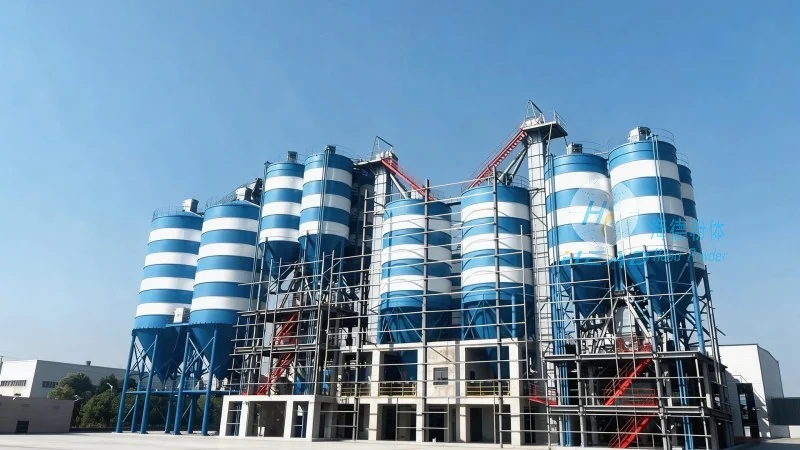
Control and Monitoring Systems
Control and monitoring systems are essential for maintaining the stability and efficiency of the bentonite pneumatic conveying system. These systems include pressure sensors, flow meters, and control valves that regulate the air and material flow. Pressure sensors are installed at various points in the pipeline to monitor the pressure levels and detect any blockages or leaks. Flow meters, such as ultrasonic or vortex meters, measure the volume of material being conveyed, providing real-time data on the system's performance. Control valves, including air control valves and material control valves, adjust the flow rates based on the system's feedback, ensuring that the material is conveyed at the optimal speed and pressure. Additionally, the system may include a programmable logic controller (PLC) that integrates all the control functions and provides a user-friendly interface for operation and maintenance.
HeadPowder's Commitment to Quality and Reliability
Shandong HeadPowder Engineering Co., Ltd. is committed to delivering reliable and efficient bentonite pneumatic conveying systems. The company's engineers work closely with clients to understand their specific needs and design systems that meet their operational requirements. HeadPowder's products are manufactured using high-quality materials and advanced manufacturing processes, ensuring durability and long service life. The company also provides comprehensive after-sales support, including maintenance services and technical assistance, to ensure that the systems operate at peak performance. By focusing on quality and customer satisfaction, HeadPowder has established itself as a trusted partner in the bentonite processing industry.




