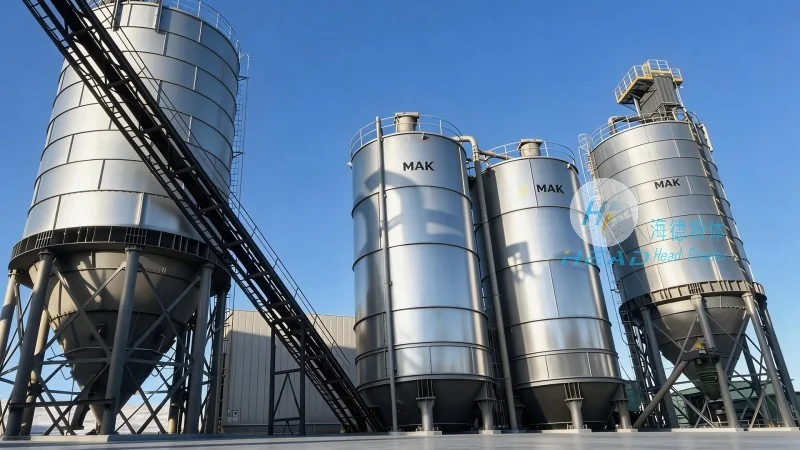
Clay sand pneumatic conveying is a critical technology in the field of powder handling, widely used in various industrial applications to transport fine particulate materials like clay sand efficiently. Understanding the working principle of this system is essential for industries that rely on the reliable and safe movement of such materials. This article provides a detailed overview of clay sand pneumatic conveying, explaining how the system operates and its key components.
Introduction to Clay Sand Pneumatic Conveying
Clay sand pneumatic conveying, also known as pneumatic powder transport, is a method of transporting dry, free-flowing powders such as clay sand through a pipeline using compressed air or other gas. This technology is particularly effective for materials that are difficult to handle with traditional mechanical conveying systems, such as those with high moisture content or abrasive properties. The system operates by creating a flow of air within the pipeline, which draws the powder particles into the stream and transports them to the destination point. The process is often referred to as "air-assisted" or "air-lift" conveying, depending on the specific design and application.
Working Principle of the Pneumatic Conveying System
The core of a clay sand pneumatic conveying system consists of several key components that work in tandem to ensure efficient material transport. The primary components include a material feed hopper, a conveying line (pipeline), a blower or compressor to generate the necessary air pressure, and a receiver or discharge hopper at the end of the line. The process begins when the clay sand is fed into the hopper. The compressed air is then introduced into the pipeline, creating a low-pressure zone at the inlet and a high-pressure zone at the outlet. As the air flows through the pipeline, it entrains the powder particles, forming a dense mixture known as a "slurry" or "conveying stream." The velocity of the air is carefully controlled to ensure that the powder particles are suspended and transported without settling or clogging the pipeline.
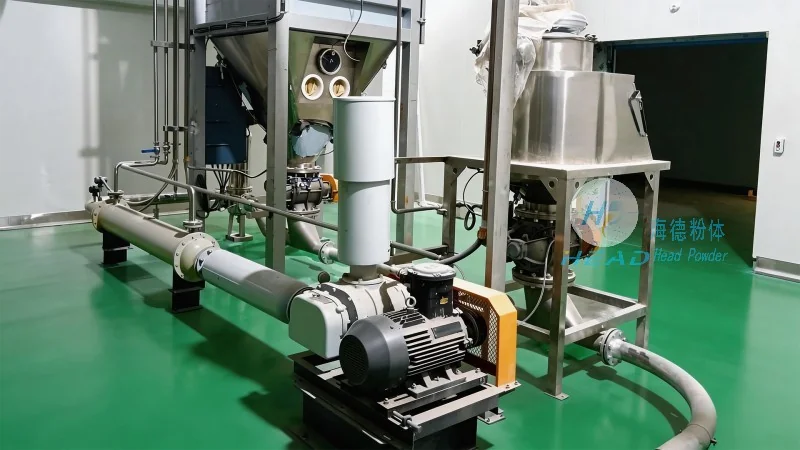
The design of the system, including the size and shape of the pipeline, the type of blower, and the placement of the feed and discharge hoppers, is crucial for optimizing the conveying efficiency. For clay sand, which can be abrasive and have varying particle sizes, the system may incorporate additional features such as cyclone separators or filter bags to prevent dust and maintain air quality. The use of appropriate materials for the pipeline, such as stainless steel or high-density polyethylene, is also essential to withstand the abrasive nature of the material and prevent corrosion.
About Shandong HeadPowder Engineering Co., Ltd.
Shandong HeadPowder Engineering Co., Ltd., operating under the brand name HeadPowder, is a leading manufacturer and supplier of advanced powder handling systems, including pneumatic conveying equipment. With a strong presence in China, particularly in Shandong province, the company specializes in designing and manufacturing customized solutions for various industrial applications. HeadPowder's expertise lies in developing efficient and reliable clay sand pneumatic conveying systems that meet the specific needs of clients in sectors such as foundries, ceramics, and construction materials. The company's commitment to quality and innovation has made it a trusted partner for businesses seeking to improve their material handling processes and enhance operational efficiency.
Applications and Benefits of Clay Sand Pneumatic Conveying
Clay sand pneumatic conveying is widely used in industries that require the transport of fine particulate materials, such as clay sand, which is commonly used in the production of refractory materials, ceramics, and foundry sand. The system offers several advantages over traditional mechanical conveying methods, including reduced labor costs, increased safety, and improved material quality. By eliminating the need for manual handling and mechanical components like belts or buckets, the system minimizes the risk of material contamination and damage. Additionally, the enclosed pipeline design helps to contain dust and prevent environmental pollution, making it a more environmentally friendly option compared to open-air conveying systems.
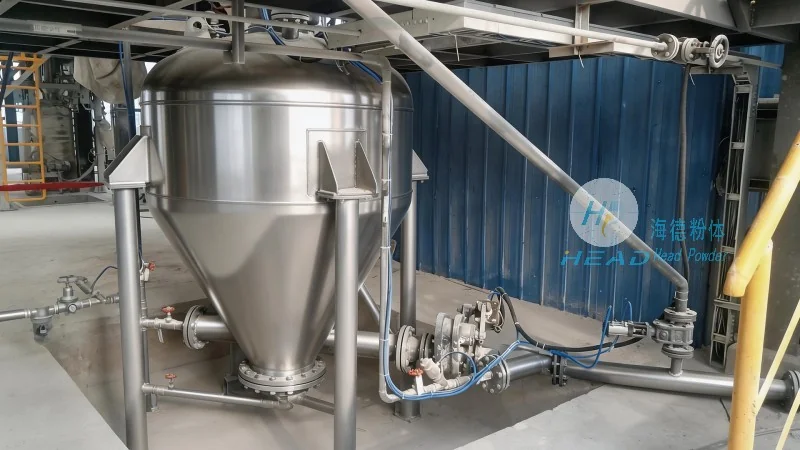
Another key benefit of clay sand pneumatic conveying is its flexibility in terms of system layout and material transport. The system can be designed to handle materials over long distances and at varying heights, making it suitable for complex industrial setups. The ability to control the air flow and pressure allows for precise regulation of the conveying rate, ensuring that the material is transported at the optimal speed without causing clogs or excessive wear on the equipment. This level of control is particularly important for materials like clay sand, which can be sensitive to changes in flow rate and pressure.
Conclusion
In conclusion, clay sand pneumatic conveying is a sophisticated and efficient method for transporting fine particulate materials such as clay sand. The working principle of the system, which relies on compressed air to entrain and transport the powder particles, offers numerous benefits over traditional mechanical conveying methods. With its ability to handle abrasive and moisture-sensitive materials, the system is a valuable asset for industries that require reliable and safe material handling solutions. As a leading provider of powder handling systems, Shandong HeadPowder Engineering Co., Ltd. continues to innovate and provide customized solutions that meet the evolving needs of its clients, ensuring that the technology remains at the forefront of industrial material transport.




