

Principle of Coffee Powder Pneumatic Conveying System
For businesses in the coffee processing industry, efficient and reliable material handling is crucial for maintaining product quality and operational efficiency. The coffee powder pneumatic conveying system represents a sophisticated solution designed to transport coffee powder and other fine particulate materials with precision and minimal loss. This system leverages the principles of pneumatic transport to move materials through a closed pipeline network, ensuring a clean, hygienic, and controlled environment that meets industry standards.
Core Principles of Pneumatic Conveying
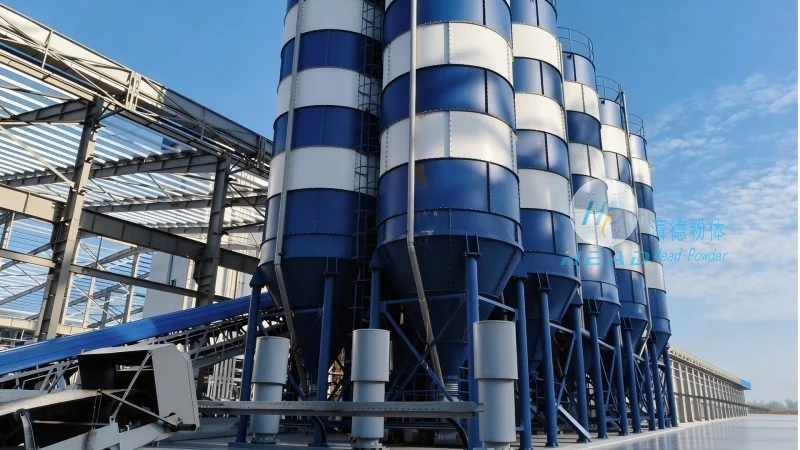
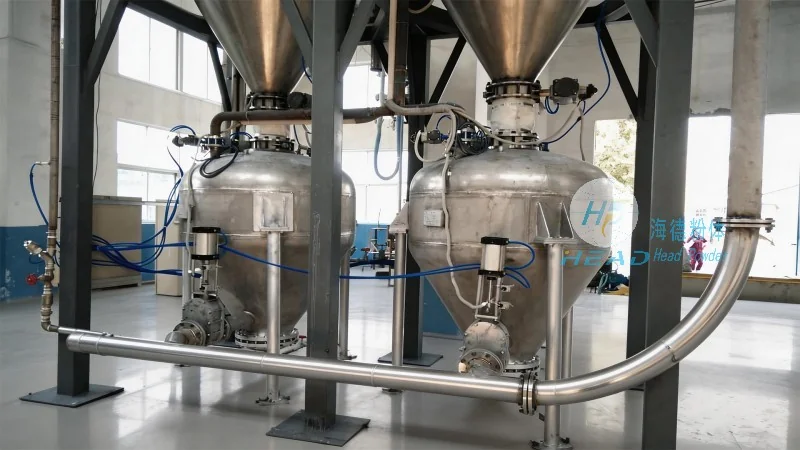
The fundamental principle of the coffee powder pneumatic conveying system is the use of air as the conveying medium to transport solid particles. This method, known as pneumatic transport, can be categorized into two main types: dilute phase and dense phase. In dilute phase systems, particles are suspended in the air stream and travel at relatively high velocities, while dense phase systems involve a slower, more controlled flow where particles are more densely packed. For coffee powder, which is a fine, light material, a dilute phase system is often preferred due to its ability to handle high volumes with minimal pressure drop and energy consumption. The system operates by creating a pressure differential between the inlet and outlet of the pipeline. A blower or compressor generates the necessary air pressure, which draws the coffee powder from the source (such as a hopper or storage silo) and propels it to the destination (e.g., a processing unit, packaging line, or storage tank). The design of the system includes key components such as the material feed hopper, airlock valves, conveying pipes, and a receiver or discharge hopper. The feed hopper ensures a consistent supply of coffee powder, while airlock valves prevent backflow and maintain airtightness. The conveying pipes are typically made of materials like stainless steel or food-grade plastic to prevent contamination and ensure durability. The receiver collects the conveyed coffee powder and may include features like a dust filter or cyclone separator to remove any residual air and fine particles, ensuring a clean product.
Key Components and Their Functions
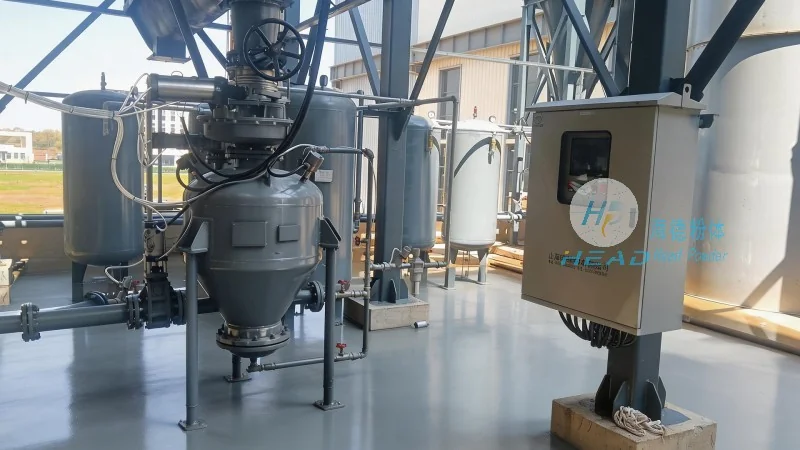
Each component of the coffee powder pneumatic conveying system plays a critical role in ensuring optimal performance. The material feed hopper is designed to hold a large quantity of coffee powder and features a hopper bottom with a valve that controls the flow rate. This component ensures a steady supply of material to the system, preventing clogging and maintaining consistent pressure. The airlock valves, often located at the inlet and outlet of the conveying line, are essential for maintaining airtightness and preventing the escape of air or the backflow of coffee powder. These valves typically operate on a rotary or sliding mechanism, allowing for controlled material discharge while maintaining a seal. The conveying pipes are the backbone of the system, and their design is critical for minimizing pressure loss and ensuring efficient transport. The pipe diameter and length are carefully selected based on the material's properties, such as particle size, density, and moisture content. For coffee powder, which is a fine, light material, a smaller diameter pipe may be used to maintain a high velocity and prevent settling. The receiver or discharge hopper collects the coffee powder at the end of the conveying line and may include a dust filter or cyclone separator to remove any residual air and fine particles. This component ensures that the delivered coffee powder is clean and free from contaminants, which is essential for maintaining product quality. Additionally, the system may include a pressure regulator or blower to control the air pressure and flow rate, ensuring that the conveying process is efficient and energy-saving.
Advantages of Coffee Powder Pneumatic Conveying Systems
Implementing a coffee powder pneumatic conveying system offers several advantages over traditional material handling methods. One of the primary benefits is the ability to maintain a clean and hygienic environment, which is critical for coffee processing where product quality and safety are paramount. Unlike mechanical conveyors, which can cause contamination through contact with metal or other materials, pneumatic systems use enclosed pipelines, reducing the risk of cross-contamination and ensuring that the coffee powder remains in a controlled environment. Another advantage is the high efficiency and speed of material transport. The system can move large volumes of coffee powder quickly and with minimal labor, reducing processing time and increasing overall productivity. Additionally, the system is highly flexible, allowing for easy integration with existing processing lines and the ability to transport materials over long distances without the need for intermediate storage or handling. The energy efficiency of the system is also a significant advantage, as modern pneumatic conveying systems use advanced blowers and compressors that minimize energy consumption while maintaining high performance. This not only reduces operational costs but also aligns with sustainability goals by minimizing the environmental impact of material handling.
Application Scenarios in Coffee Processing
The coffee powder pneumatic conveying system is widely used in various stages of coffee processing, from raw material handling to final product packaging. In the initial stages, the system can be used to transport coffee beans from storage silos to grinding machines, ensuring a consistent supply of raw material for the grinding process. After grinding, the coffee powder is conveyed to the packaging line, where it is filled into bags or containers. The system can also be used to transport coffee powder from the packaging line to storage tanks or distribution centers, ensuring a smooth flow of product from production to market. Additionally, the system is used in quality control processes, where coffee powder is sampled and tested for moisture content, particle size, and other quality parameters. The ability to transport small quantities of material for testing without disrupting the main production line is a key advantage of the system. In large-scale coffee processing facilities, the system may be integrated with multiple processing lines, allowing for the simultaneous transport of different types of coffee powder (e.g., Arabica and Robusta) to different processing units. This flexibility enables manufacturers to optimize their production processes and meet varying customer demands efficiently.
Maintenance and Operational Considerations
Proper maintenance is essential to ensure the long-term performance and reliability of the coffee powder pneumatic conveying system. Regular inspection of components such as airlock valves, conveying pipes, and receivers is necessary to identify and address any issues before they become major problems. For example, the airlock valves should be checked for wear and tear, and the seals should be replaced as needed to maintain airtightness. The conveying pipes should be inspected for signs of corrosion or blockage, and any debris should be removed to prevent clogging. The receiver and dust filter should be cleaned regularly to ensure that they are functioning effectively and preventing the accumulation of coffee powder or dust. Additionally, the blower or compressor should be checked for proper operation, and the air filter should be replaced to prevent dust from entering the system and causing damage. Operational considerations also include the proper selection of air pressure and flow rate. The system should be operated at the optimal pressure and flow rate to ensure efficient transport while minimizing energy consumption. Over-pressurizing the system can lead to excessive wear and tear on components, while under-pressurizing can result in poor material transport and increased energy costs. Proper training of operators is also important to ensure that the system is operated correctly and safely. Operators should be trained on the proper use of the system, including how to start and stop the system, how to adjust the flow rate, and how to handle any emergencies that may occur.