The chromic oxide pneumatic conveying system is a specialized industrial solution designed to handle the transportation of chromic oxide, a critical chemical compound widely used in various manufacturing processes. This system leverages pneumatic technology to efficiently move the material from one location to another, ensuring safety, efficiency, and minimal product degradation. As a key component in material handling, the system is engineered to meet the specific demands of chromic oxide, which is known for its reactivity and the need for controlled handling environments.
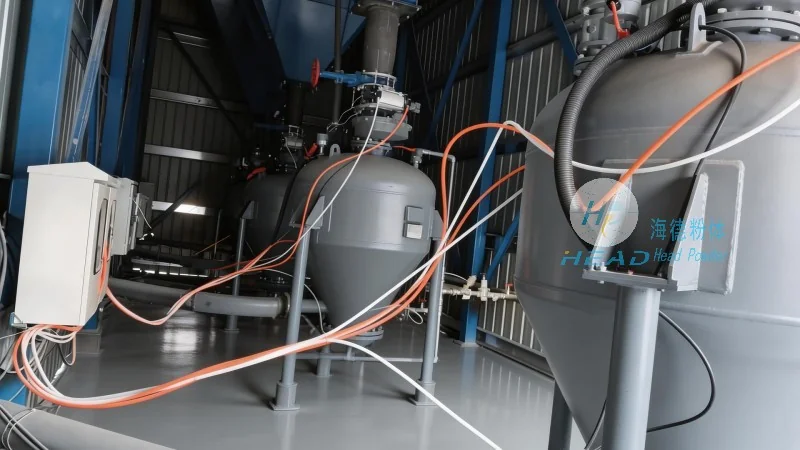
Key Components of the Pneumatic Conveying System
The chromic oxide pneumatic conveying system consists of several essential components that work in tandem to achieve effective material transport. These include the hopper or feeder, which stores and feeds the chromic oxide into the system; the air compressor or blower, which generates the necessary airflow to move the material; the conveying line, typically made of durable materials such as stainless steel or specialized polymers to resist corrosion from chromic oxide; and the control system, which regulates the airflow and pressure to maintain optimal conveying conditions. Each component is carefully selected to ensure compatibility with chromic oxide, preventing contamination and ensuring the system operates reliably over extended periods.
Working Principle of the Pneumatic Conveying Process
The operation of the chromic oxide pneumatic conveying system is based on the principle of air movement to transport particulate materials. The process begins with the material being fed from the hopper into the conveying line. Simultaneously, the air compressor generates a high-pressure airflow that is introduced into the line. As the air flows through the line, it entrains the chromic oxide particles, creating a slurry-like mixture that is propelled through the system. The velocity of the air is critical; it must be sufficient to lift and transport the particles without causing excessive wear on the system components or degradation of the material. The system may include features such as cyclones or filters to separate the material from the air at the receiving end, allowing for clean material discharge and air recirculation or exhaust.
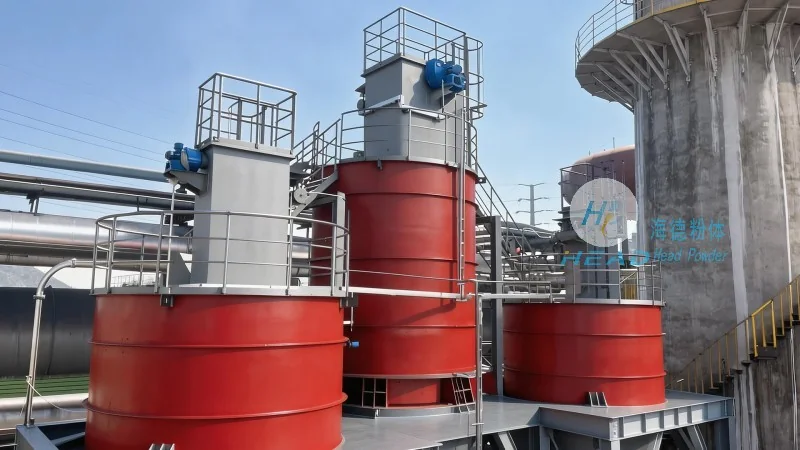
Advantages of Using a Pneumatic Conveying System for Chromic Oxide
Implementing a pneumatic conveying system for chromic oxide offers several advantages over traditional mechanical conveying methods. Firstly, it provides a closed system, which minimizes exposure to dust and fumes, enhancing workplace safety and compliance with environmental regulations. Secondly, the system reduces the risk of material contamination, as the material remains enclosed throughout the transport process. Thirdly, pneumatic conveying is often more energy-efficient compared to mechanical systems, especially for long-distance or high-volume transport. Additionally, the system allows for precise control over the material flow rate and pressure, enabling better process integration and reduced downtime. These benefits make the pneumatic conveying system an ideal choice for industries that require reliable and safe handling of chromic oxide.
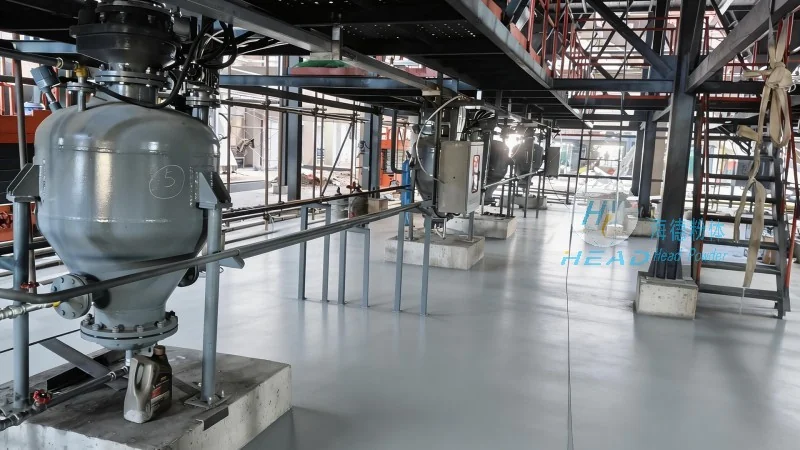
Application Scenarios and Industries
The chromic oxide pneumatic conveying system is widely used in various industries where chromic oxide is a key raw material. These include the production of pigments, where chromic oxide is used as a colorant in paints and coatings; the manufacturing of ceramics, where it is incorporated into glazes and ceramics for enhanced durability and color; and the production of chemicals, where it serves as a catalyst or precursor in chemical reactions. In each of these applications, the system ensures that chromic oxide is transported efficiently and safely from storage to processing equipment, maintaining the quality and integrity of the material. The adaptability of the system allows it to be integrated into existing production lines or used as a standalone solution for material handling needs.
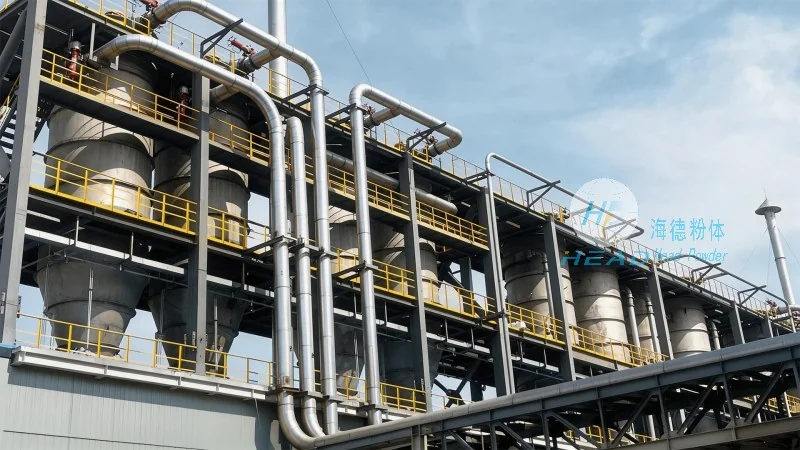
Maintenance and Operational Considerations
Proper maintenance is crucial to ensure the longevity and efficiency of the chromic oxide pneumatic conveying system. Regular inspections of the conveying line, air compressor, and control system are necessary to identify and address any issues before they lead to system failure. Components such as filters and cyclones should be cleaned or replaced regularly to prevent clogging and maintain optimal airflow. The system should also be checked for signs of corrosion, especially in parts that come into direct contact with chromic oxide, as the material can be corrosive. Additionally, operators should be trained on the proper operation of the system to avoid over-pressurization or other operational errors that could damage the equipment or compromise safety. By adhering to a regular maintenance schedule and following best practices, the system can operate at peak performance, minimizing downtime and maximizing productivity.
Conclusion
The chromic oxide pneumatic conveying system is a sophisticated and reliable solution for the transportation of chromic oxide, a vital chemical compound in multiple industrial applications. By leveraging pneumatic technology, the system offers advantages such as closed handling, reduced contamination, and energy efficiency. With proper maintenance and operational practices, it ensures consistent performance and safety in material handling processes. As a product of Shandong HeadPowder Engineering Co., Ltd., this system exemplifies the company's commitment to providing high-quality engineering solutions tailored to the specific needs of the chemical and manufacturing industries.




