A synthetic fiber pneumatic conveying system is a specialized industrial equipment designed to transport bulk materials through a pipeline using air as the conveying medium. This technology is widely used in various industries, including food processing, pharmaceuticals, chemicals, and powders handling, due to its efficiency, flexibility, and ability to handle a wide range of materials. The system typically consists of a hopper, a blower or air compressor, a conveying line, and a receiver, all integrated to ensure smooth material transfer from the source to the destination.
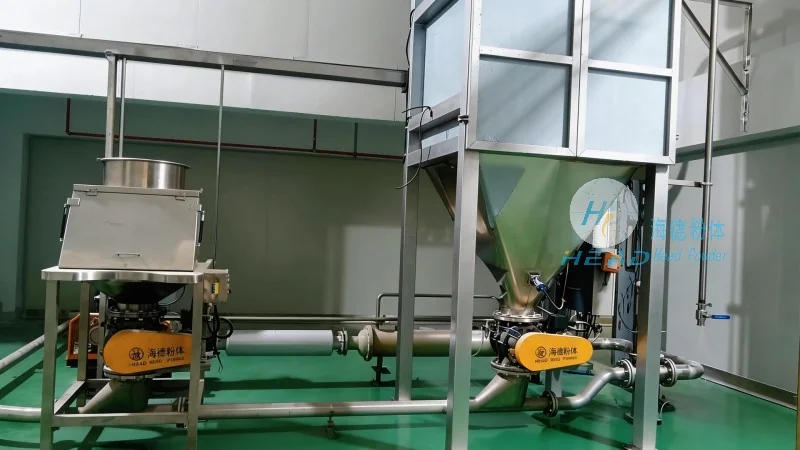
Company Overview: Shandong HeadPowder Engineering Co., Ltd.
Shandong HeadPowder Engineering Co., Ltd. is a leading manufacturer and supplier of advanced pneumatic conveying systems, with a strong presence in the industry. HeadPowder specializes in designing, manufacturing, and installing customized solutions tailored to the specific needs of clients. The company is headquartered in Shandong, China, and has built a reputation for quality, reliability, and customer-centric service. With years of experience, HeadPowder has developed a deep understanding of material handling challenges and provides innovative solutions that enhance operational efficiency and reduce costs for its clients.
Design Principles of Synthetic Fiber Pneumatic Conveying Systems
The design of a synthetic fiber pneumatic conveying system is based on several key principles to ensure optimal performance and material handling. The first principle is the selection of appropriate synthetic fibers, which are chosen based on the properties of the material being conveyed, such as particle size, moisture content, and abrasiveness. Synthetic fibers like polyester, nylon, or polypropylene are commonly used due to their durability, flexibility, and resistance to wear and tear. The second principle is the air flow rate and pressure, which must be carefully calculated to maintain the material in a suspended state within the pipeline. The system uses a blower or air compressor to generate the necessary air pressure, and the flow rate is adjusted to match the material's characteristics and the pipeline length. The third principle is the system's configuration, which includes the hopper design, conveying line diameter, and receiver design. The hopper is designed to store the material and feed it into the pipeline at a controlled rate, while the conveying line diameter is selected to ensure sufficient air velocity to keep the material suspended. The receiver is used to collect the material at the end of the pipeline, and its design is crucial to prevent material buildup and ensure smooth discharge.
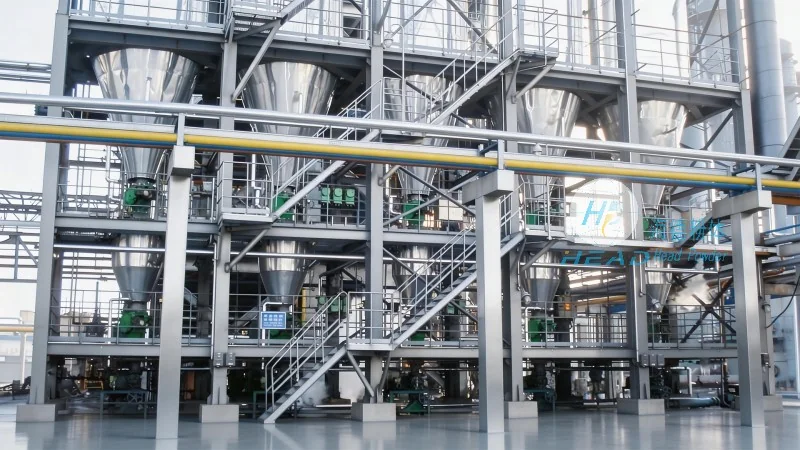
Key Components and Their Functions
A synthetic fiber pneumatic conveying system comprises several key components, each playing a critical role in the overall operation. The hopper is the primary storage and feeding device, designed to hold the bulk material and release it into the conveying line at a controlled rate. The hopper is typically equipped with a discharge valve or feeder to regulate the material flow. The blower or air compressor is the power source of the system, responsible for generating the air pressure and flow required to move the material. The conveying line is the main pipeline through which the material and air travel, and it is made of durable materials like stainless steel or plastic to withstand the abrasive nature of the material and the air pressure. The receiver is the final component, used to collect the material at the end of the pipeline. It is designed to prevent material loss and ensure easy discharge of the material. Additionally, the system may include accessories such as filters, silencers, and pressure relief valves to enhance performance and safety.
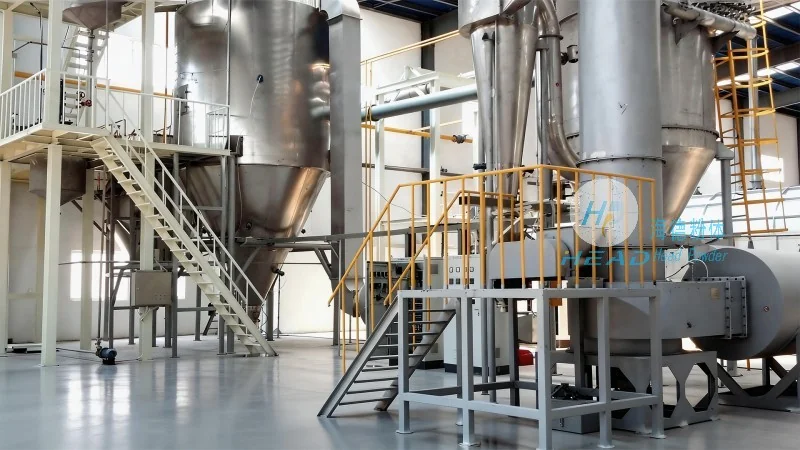
Advantages of Synthetic Fiber Pneumatic Conveying Systems
There are several advantages of using synthetic fiber pneumatic conveying systems in industrial applications. One of the main advantages is the ability to handle a wide range of materials, including fine powders, granules, and bulk materials. The system can transport materials over long distances without the need for intermediate storage or handling, which reduces the risk of contamination and material loss. Another advantage is the flexibility of the system, as it can be easily customized to fit the specific needs of the client. The system can be designed to handle different material types, flow rates, and pipeline lengths, making it suitable for various industrial applications. Additionally, the system is relatively low maintenance compared to other material handling methods, as it has fewer moving parts and requires less frequent cleaning. The use of synthetic fibers also reduces the risk of material degradation and contamination, as the fibers are resistant to moisture and chemicals.
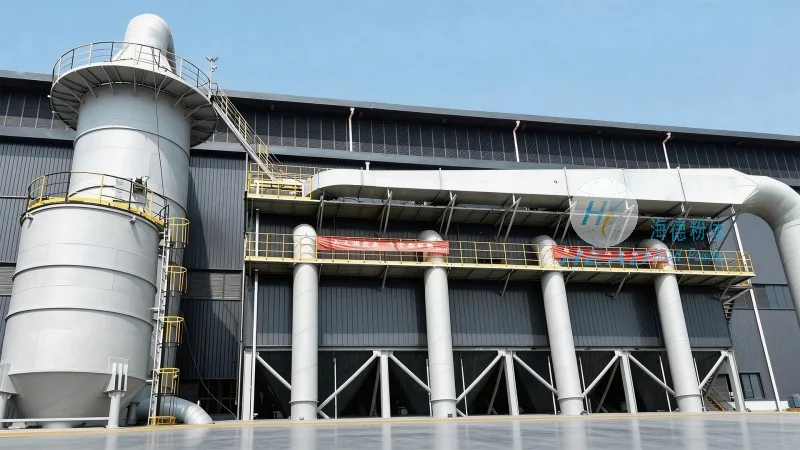
Applications in Different Industries
Synthetic fiber pneumatic conveying systems are used in various industries due to their versatility and efficiency. In the food industry, the system is used to transport food powders, such as flour, sugar, and spices, from storage to processing equipment. The system ensures that the food materials are handled hygienically and without contamination, which is crucial for maintaining food safety standards. In the pharmaceutical industry, the system is used to transport active pharmaceutical ingredients (APIs) and other powders, ensuring that the materials are handled under sterile conditions. The system is also used in the chemical industry to transport chemicals, such as powders and granules, from storage to processing equipment. In the cement and construction industry, the system is used to transport cement and other bulk materials, which are essential for building construction. The system is also used in the agricultural industry to transport agricultural products, such as seeds and fertilizers, from storage to processing equipment.
Conclusion
Synthetic fiber pneumatic conveying systems are an essential part of modern industrial material handling, offering efficient, flexible, and reliable solutions for transporting bulk materials. The design principles and components of these systems are carefully selected and configured to ensure optimal performance and material handling. With the expertise of companies like Shandong HeadPowder Engineering Co., Ltd., these systems can be customized to meet the specific needs of clients, enhancing operational efficiency and reducing costs. As the demand for efficient material handling increases, synthetic fiber pneumatic conveying systems will continue to play a crucial role in various industries, providing reliable and sustainable solutions for material transport.




