Desulfurization gypsum, also known as FGD gypsum, is a byproduct generated during the flue gas desulfurization process in thermal power plants and other industrial facilities. This gypsum is typically collected as a fine powder and requires efficient handling and transportation for reuse in construction materials, agricultural applications, or other industrial processes. A pneumatic conveying system is a critical piece of equipment designed to transport this gypsum over long distances or within industrial facilities with minimal dust and environmental impact.
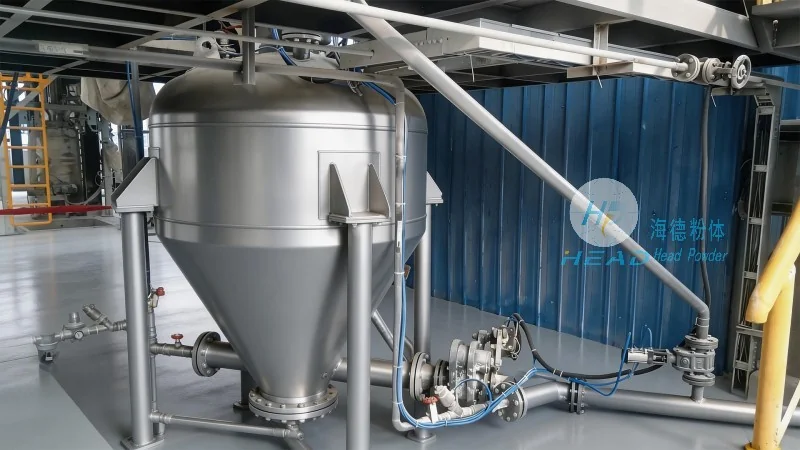
Key Components and Design Principles of the System
The design of a desulfurization gypsum pneumatic conveying system involves several key components that work together to ensure efficient and reliable operation. The primary components include a material feeder, a conveying pipeline, a pressure vessel (or receiver), a blower or compressor, and control systems. The material feeder is responsible for feeding the gypsum powder into the system, ensuring a consistent flow rate. The conveying pipeline, often made of stainless steel or other corrosion-resistant materials, transports the gypsum particles using air pressure. The pressure vessel collects the conveyed material and may include a dust collection system to prevent emissions. The blower or compressor provides the necessary air pressure to move the gypsum through the pipeline. Control systems monitor and regulate the flow rate, pressure, and other parameters to maintain optimal performance.
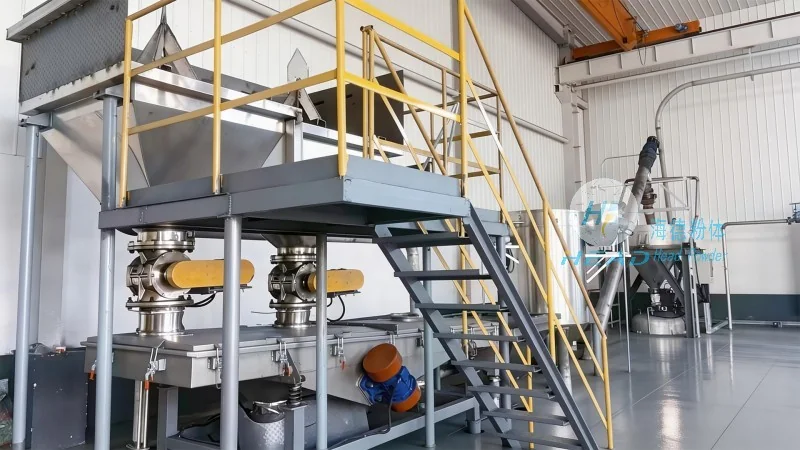
How the System Works: The Pneumatic Conveying Process
The pneumatic conveying process for desulfurization gypsum operates by using air to transport the powder. There are two main types of pneumatic conveying systems: dilute-phase and dense-phase. Dilute-phase systems use high air velocities to keep the particles suspended in the air stream, suitable for short to medium distances. Dense-phase systems use lower air velocities and higher material concentrations, ideal for long-distance transport and to minimize particle degradation. The process begins with the gypsum powder being fed into the system by the feeder. The air, supplied by the blower, is introduced into the pipeline, creating a flow that carries the gypsum particles. The particles are then transported to the receiver, where they are collected and may be further processed or stored. The system is designed to handle the specific properties of desulfurization gypsum, such as its fine particle size and potential moisture content, ensuring that the conveying process is efficient and effective.
Advantages of Using a Pneumatic Conveying System for Desulfurization Gypsum
Implementing a pneumatic conveying system for desulfurization gypsum offers several advantages over traditional methods like belt conveyors or bucket elevators. One of the primary benefits is the ability to transport the material in a dust-free environment, reducing the risk of air pollution and improving workplace safety. The system also minimizes material degradation, as the fine particles are not subjected to the mechanical stress of moving parts or impact. Additionally, pneumatic conveying systems can handle long distances and complex layouts, making them suitable for large industrial facilities. The design of the system allows for easy integration with other processes, such as material storage and processing, and can be customized to meet specific operational requirements. Overall, the use of a pneumatic conveying system enhances the efficiency and sustainability of the desulfurization process by improving material handling and reducing environmental impact.
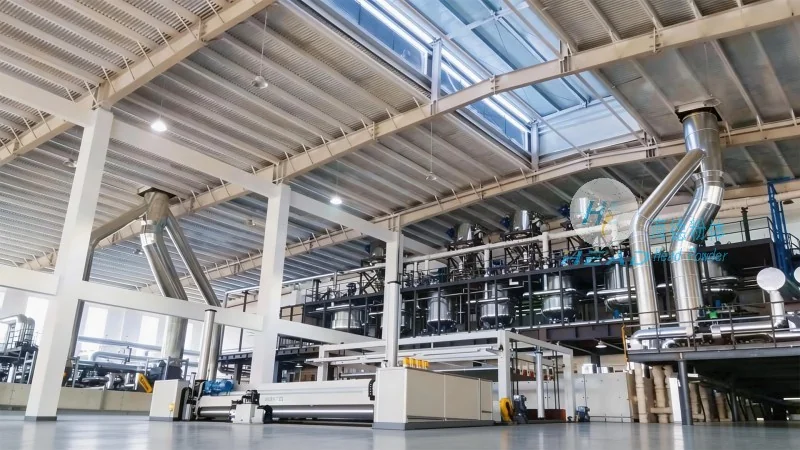
About Shandong HeadPowder Engineering Co., Ltd.
Shandong HeadPowder Engineering Co., Ltd., commonly known as HeadPowder, is a leading manufacturer and supplier of industrial equipment, including pneumatic conveying systems for desulfurization gypsum. With a focus on innovation and quality, HeadPowder provides comprehensive solutions tailored to the needs of power plants and industrial facilities. The company's products are designed to meet the highest standards of performance, reliability, and environmental compliance. HeadPowder's team of engineers and technicians work closely with clients to understand their specific requirements and develop customized solutions that optimize material handling and operational efficiency. The company is committed to providing sustainable and efficient solutions that contribute to the reduction of environmental impact and the promotion of industrial sustainability.




