Hydrated sodium nitrate is a critical chemical compound widely used in various industrial applications, including fertilizers, explosives, and food preservation. The efficient and safe transportation of this material is essential for industrial operations. This article explores the concept of a hydrated sodium nitrate pneumatic conveying system and delves into its design principles, highlighting the technical aspects and considerations that ensure optimal performance, as designed by Shandong HeadPowder Engineering Co., Ltd.
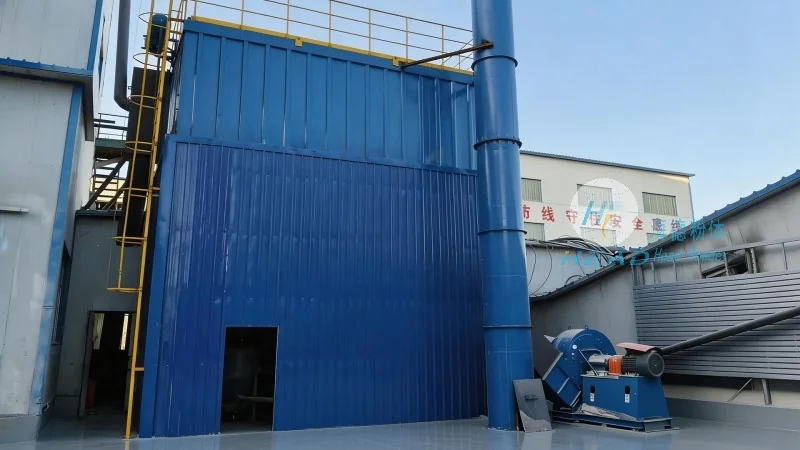
Understanding Hydrated Sodium Nitrate Pneumatic Conveying Systems
A hydrated sodium nitrate pneumatic conveying system is a method of transporting hydrated sodium nitrate powder through a pipeline using compressed air or other gas as the conveying medium. This technology offers several advantages over traditional mechanical conveying systems, such as reduced equipment wear, lower maintenance costs, and the ability to handle materials in a dust-free environment. The system typically consists of a hopper, a feeder, a pipeline, a venturi or other air-liquid separator, and a receiver. The process involves feeding the hydrated sodium nitrate from the hopper into the pipeline, where it is mixed with the conveying air. The air then transports the material to the destination, where it is separated from the air and collected in the receiver.
Key Components of the System
The effectiveness of a hydrated sodium nitrate pneumatic conveying system relies on several key components, each playing a crucial role in the overall operation. The hopper serves as the storage and feeding unit, ensuring a consistent supply of material to the system. The feeder, often a rotary valve or a screw feeder, controls the flow rate of the hydrated sodium nitrate into the pipeline, preventing overfeeding and maintaining system stability. The pipeline is the main conduit for transporting the material and air, and its design must consider factors such as material abrasiveness and pressure drop. The venturi or air-liquid separator is critical for separating the hydrated sodium nitrate from the conveying air, ensuring that the material is collected efficiently and the air is recycled or discharged. The receiver is the final collection point, where the material is stored before further processing or use.
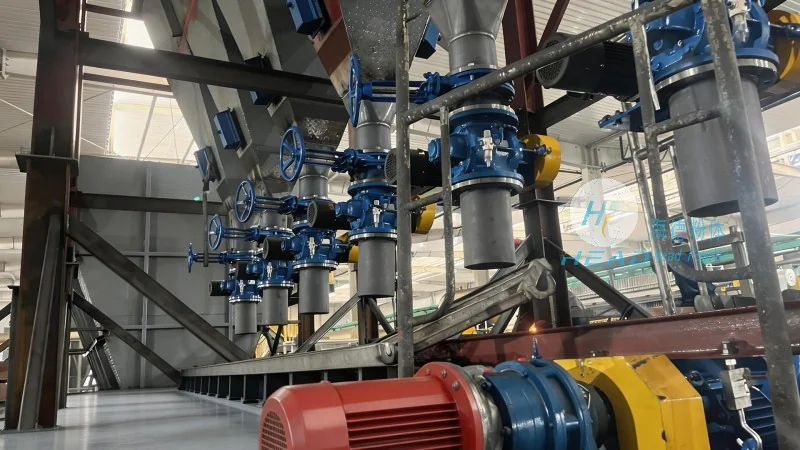
Design Principles for Optimal Performance
The design of a hydrated sodium nitrate pneumatic conveying system requires careful consideration of several factors to ensure reliable and efficient operation. One of the primary design principles is the selection of appropriate air velocity. The air velocity must be high enough to overcome the material's resistance to flow but low enough to prevent excessive wear on the pipeline and equipment. The system's design also considers the material's properties, such as its density, flowability, and moisture content, as these factors affect the conveying air requirements and system efficiency. Additionally, the system must be designed to handle the potential hazards associated with hydrated sodium nitrate, including dust explosion risks and corrosion. Proper ventilation, explosion-proof designs, and material selection are essential to mitigate these risks and ensure the safety of the system.
Advantages of Pneumatic Conveying for Hydrated Sodium Nitrate
Compared to other conveying methods, such as belt conveyors or bucket elevators, pneumatic conveying offers several advantages for transporting hydrated sodium nitrate. The system is more flexible, allowing for changes in the material flow direction and destination without significant modifications. It also provides better control over the material's temperature and moisture content, which is crucial for maintaining the quality of the hydrated sodium nitrate. Furthermore, pneumatic conveying reduces the risk of material contamination and cross-contamination, as the material is enclosed within the pipeline and air system. This is particularly important for applications where the material is used in food or pharmaceutical industries.
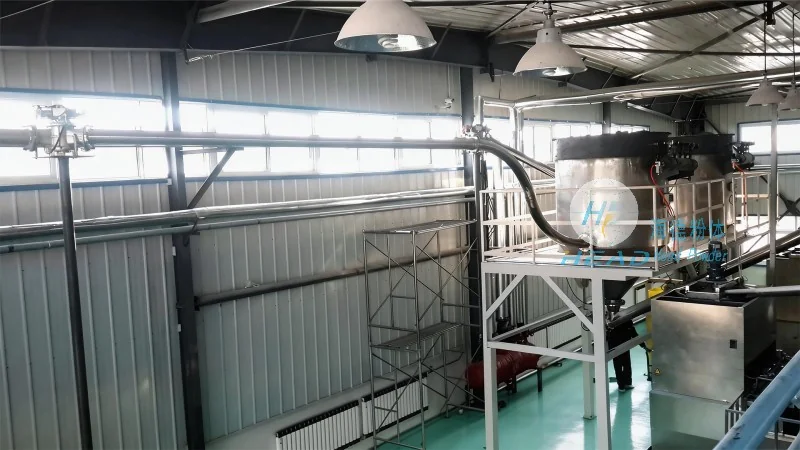
Applications and Industries
Hydrated sodium nitrate pneumatic conveying systems are widely used in various industries, including chemical manufacturing, fertilizer production, and food processing. In the chemical industry, the system is used to transport hydrated sodium nitrate to reactors or storage tanks, where it is used as a raw material for the production of other chemicals. In the fertilizer industry, the system is used to transport hydrated sodium nitrate to blending and packaging facilities, where it is combined with other nutrients to create fertilizers. In the food industry, the system is used to transport hydrated sodium nitrate to food processing plants, where it is used as a preservative or curing agent. The versatility of the system makes it suitable for a wide range of applications, and its design can be customized to meet the specific needs of each industry.
Conclusion
A hydrated sodium nitrate pneumatic conveying system is a sophisticated and efficient method of transporting this critical chemical compound. The system's design principles, including the selection of appropriate components, air velocity, and material handling considerations, are essential to ensure optimal performance and safety. By understanding the technical aspects and design considerations of this system, industrial operators can make informed decisions about the most suitable conveying method for their operations. The system's advantages, such as flexibility, reduced contamination risk, and better control over material properties, make it a preferred choice for many industries. As the demand for hydrated sodium nitrate continues to grow, the importance of efficient and reliable conveying systems will only increase, and the design principles outlined in this article will remain relevant for future applications.




