Small bean pneumatic conveying equipment is a specialized system designed for the efficient transport of small granular materials, such as seeds, beans, or other similar products. This equipment plays a crucial role in various industries, including food processing, agriculture, and chemical manufacturing, by providing a clean, dust-free, and flexible method of material handling. The system typically operates by using compressed air or other gases to move particles through a pipeline network, eliminating the need for mechanical components like belts or chains that might introduce contamination or wear.
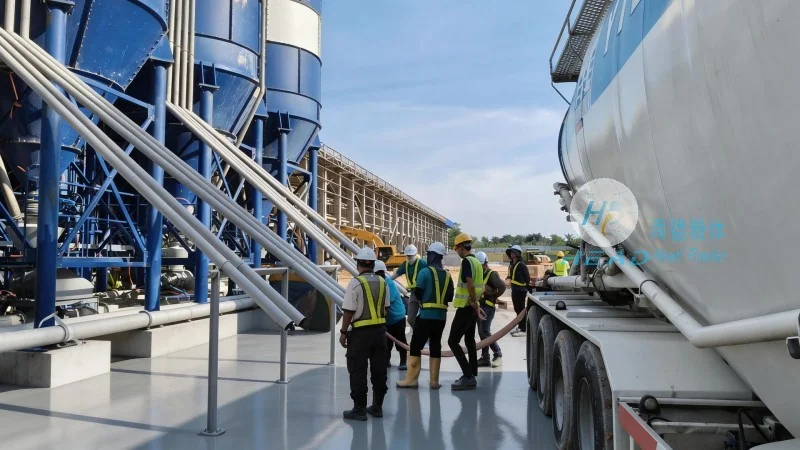
Key Components and Working Principle
The core components of a small bean pneumatic conveying system include a hopper for material storage, a blower or air compressor to generate the necessary air pressure, a pipeline system to guide the material flow, and a receiver or discharge unit to collect the conveyed material. The design principle revolves around creating a pressure differential between the inlet and outlet of the system. When the blower starts, it draws air into the hopper and forces it through the pipeline, carrying the small beans along with the air stream. The velocity of the air and the size of the particles determine the conveying velocity and efficiency. Proper design ensures that the air velocity is sufficient to keep the particles suspended and prevent clogging, while minimizing energy consumption.
Design Considerations for Optimal Performance
When designing a small bean pneumatic conveying system, several factors must be carefully considered to ensure reliable operation and long-term efficiency. First, the material characteristics, such as particle size, density, and moisture content, are critical. These properties affect the air velocity required for effective conveying and the risk of particle segregation or agglomeration. For example, smaller or lighter particles may require higher air speeds to maintain suspension, while larger or heavier particles might need lower speeds to avoid excessive wear on the system components. Second, the system layout and pipeline configuration are essential. The length and diameter of the pipelines, as well as the number of bends and fittings, impact the pressure drop and overall energy consumption. A well-designed layout minimizes unnecessary turns and reduces friction losses, ensuring that the blower can maintain the required pressure without excessive strain. Third, the choice of blower type and air volume is crucial. Positive displacement blowers are commonly used for small bean conveying due to their ability to provide consistent air flow and pressure, even at low speeds. The air volume is typically calculated based on the material flow rate and the specific gravity of the particles, ensuring that the system can handle the desired throughput without overloading the blower.
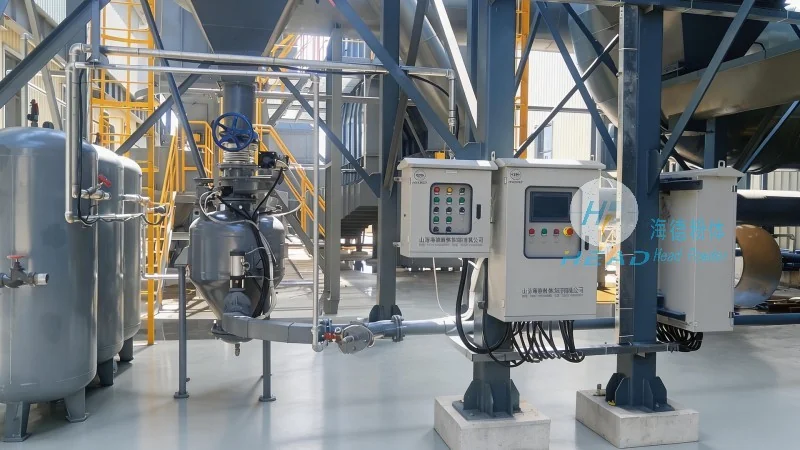
Advantages of Small Bean Pneumatic Conveying Equipment
Compared to traditional mechanical conveying methods, small bean pneumatic conveying equipment offers several advantages that make it a preferred choice in many applications. One of the primary benefits is the ability to handle materials in a closed system, which prevents contamination from external sources and maintains product quality. This is particularly important for food-grade products, where hygiene and cleanliness are paramount. Additionally, the system is highly flexible, allowing for easy reconfiguration of the pipeline layout to accommodate changes in production processes or facility expansions. The absence of moving parts like belts or chains reduces maintenance requirements and extends the service life of the equipment. Furthermore, pneumatic conveying can handle a wide range of materials, from fine powders to larger granules, making it versatile for various industrial needs. The system also provides better control over material flow, enabling precise dosing and feeding into processing equipment, which improves overall production efficiency.
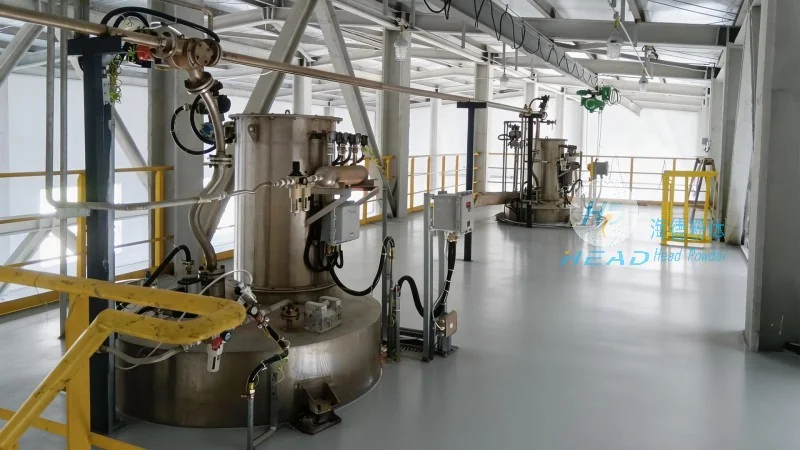
Applications in Different Industries
Small bean pneumatic conveying equipment is widely used across various industries due to its adaptability and efficiency. In the food processing industry, it is commonly employed for transporting grains, seeds, and other food products from storage silos to processing lines, such as mills or roasters. The closed system ensures that the products remain free from dust and contaminants, maintaining their quality and safety standards. In agriculture, the equipment is used for handling harvested crops, such as beans or seeds, from fields to storage facilities or processing plants. This allows for efficient collection and transport, reducing losses and improving operational efficiency. In the chemical industry, small bean conveying systems are utilized for transporting powders and granules, such as fertilizers or chemicals, in a controlled and safe manner. The ability to handle abrasive or corrosive materials makes the system suitable for these applications, while the closed design prevents environmental contamination.
Maintenance and Operational Tips
To ensure the longevity and optimal performance of a small bean pneumatic conveying system, regular maintenance and proper operation are essential. First, it is important to monitor the air pressure and flow rate regularly. Any significant changes in these parameters may indicate a problem, such as a clogged pipeline or a failing blower. Cleaning the system periodically, especially the hopper and pipeline, is crucial to prevent material buildup and maintain efficiency. Using appropriate filters to remove dust and debris from the air stream also helps to protect the blower and other components from damage. Additionally, checking for leaks in the pipeline and sealing any gaps can reduce energy consumption and prevent pressure loss. Proper training of operators on the system's operation and maintenance procedures is also vital to ensure safe and efficient use. By following these guidelines, users can maximize the lifespan of their small bean pneumatic conveying equipment and maintain consistent performance over time.




