HeadPowder, a professional manufacturer based in Shandong, China, specializes in the design, production, and supply of advanced pneumatic conveying systems tailored for handling yellow sand and similar bulk materials. This equipment is engineered to efficiently transport fine powders and granular substances over long distances with minimal operational friction and high reliability. The system integrates multiple components that work in synergy to ensure smooth material flow, making it an essential solution for industries dealing with sand, cement, and other dry bulk materials.
Key Components and Structural Design
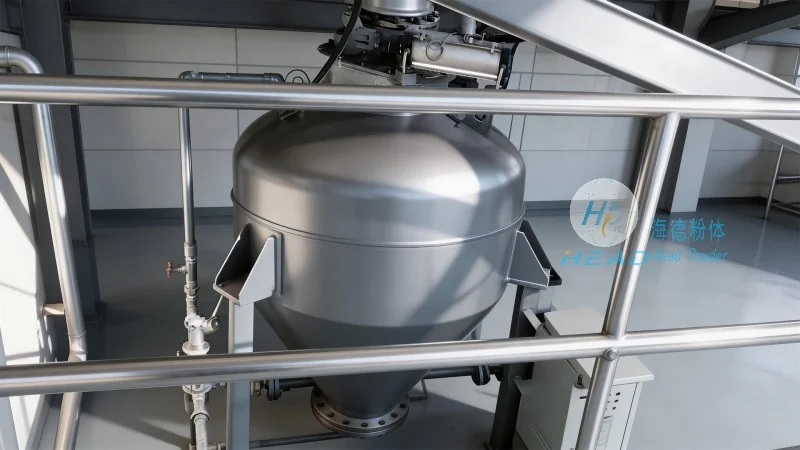
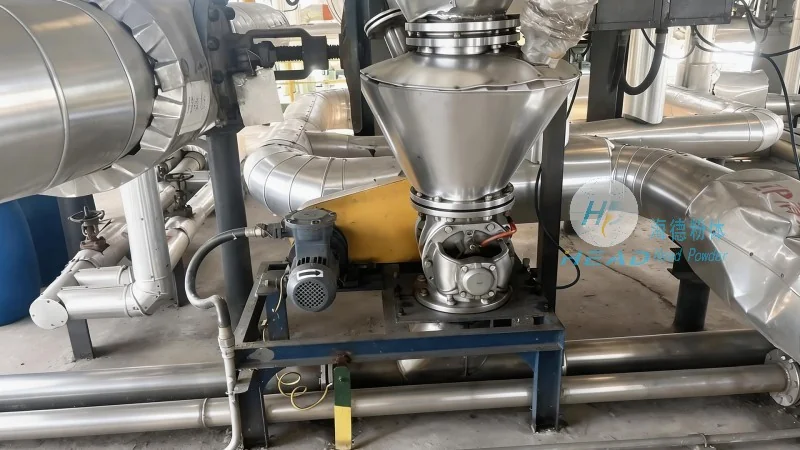
The core structure of the yellow sand pneumatic conveying system comprises several critical parts, each playing a vital role in the overall performance. The system typically includes a material feeding unit, a conveying pipeline network, a pressure vessel or receiver, and a control system. The feeding unit is designed to handle the bulk material and introduce it into the pipeline under controlled conditions. For yellow sand, which is often fine and abrasive, a spiral feeder or a vibrating feeder is commonly used to ensure consistent material flow without causing blockages. The conveying pipeline network, often made of high-quality stainless steel (such as 316L) or corrosion-resistant materials like PTFE-lined steel, is engineered to withstand the abrasive nature of the sand and prevent material buildup. The pipeline is usually arranged in a loop or straight line, depending on the distance and layout of the application. The pressure vessel or receiver is a large, cylindrical tank with a conical bottom, designed to collect the conveyed material and maintain the system's pressure balance. It is equipped with a discharge valve and a vent to release excess air and prevent pressure buildup. The control system, equipped with sensors (pressure, flow, temperature) and automation features, monitors and adjusts the operational parameters to optimize performance and prevent issues such as blockages or pressure surges. It can be integrated with a PLC (Programmable Logic Controller) for centralized control and data logging.
Working Principle of the Pneumatic Conveying Process
The pneumatic conveying system operates on the principle of using compressed air to transport material through a pipeline. When the material is fed into the system, it is mixed with the air stream, creating a slurry-like mixture that flows through the pipeline. The compressed air provides the necessary force to move the material, while the pipeline design ensures that the material remains suspended and moves efficiently. The system can be categorized into different types based on the air flow direction and pressure levels, such as positive pressure, negative pressure, or mixed pressure systems. Positive pressure systems use compressed air to push the material through the pipeline, while negative pressure systems use suction to draw the material. Mixed pressure systems combine both approaches for enhanced efficiency. The choice of system type depends on factors like the distance of material transport, the volume of material to be conveyed, and the need to minimize dust emissions. The air flow rate is carefully controlled to ensure that the material is fully suspended and transported without settling or clogging the pipeline.
Advantages of the Yellow Sand Pneumatic Conveying System
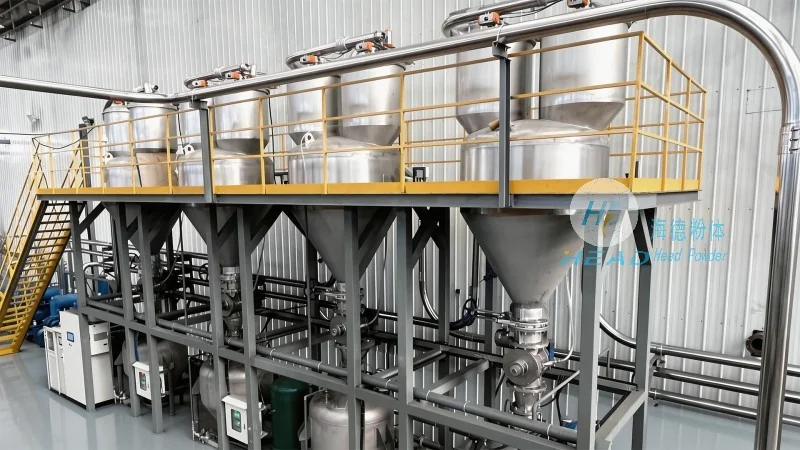
Implementing a pneumatic conveying system for yellow sand offers numerous benefits that enhance operational efficiency and reduce costs. One of the primary advantages is the ability to transport material over long distances without the need for intermediate storage or transfer points, which minimizes material handling and reduces the risk of contamination. The system also provides a dust-free operation environment, which is crucial for maintaining workplace safety and compliance with environmental regulations. Additionally, the automated control system allows for precise control over the material flow rate and pressure, ensuring consistent performance and reducing the likelihood of system failures. The durability of the components, particularly the pipeline and pressure vessel, ensures a long service life, lowering the total cost of ownership over time. Compared to traditional conveyor systems like belt conveyors or bucket elevators, pneumatic conveying systems require less maintenance and have lower energy consumption, making them a cost-effective solution for bulk material handling.
Application Scenarios and Industry Use Cases
The yellow sand pneumatic conveying system is widely used in various industries where bulk material handling is essential. In the construction industry, it is commonly employed to transport sand and cement from storage silos to mixing plants or construction sites. The system's ability to handle abrasive materials makes it suitable for applications where traditional belt conveyors or bucket elevators may experience wear and tear. In the mining sector, it is used to transport sand and other minerals from processing plants to storage facilities or for further processing. The system's flexibility also allows it to be integrated into existing production lines, enabling seamless material flow and improving overall productivity. Additionally, the system is suitable for applications in the chemical and food industries, where the need for a clean and hygienic conveying process is paramount. For example, in food processing, the system can be used to transport flour or other dry ingredients without cross-contamination, ensuring product quality and safety. In the chemical industry, it can handle corrosive or hazardous materials, providing a safe and efficient conveying solution.
Maintenance and Operational Considerations
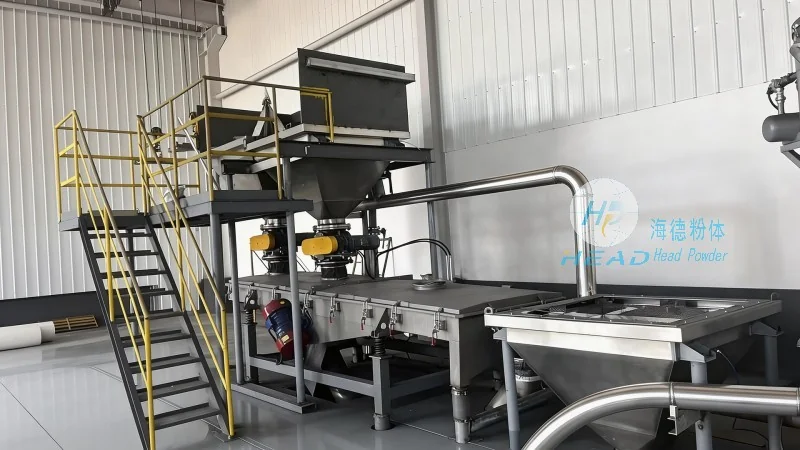
To ensure the optimal performance and longevity of the yellow sand pneumatic conveying system, regular maintenance and proper operational practices are essential. The system components, such as the pipeline, pressure vessel, and feeding unit, should be inspected regularly for signs of wear, corrosion, or damage. The compressed air system should be maintained to ensure consistent pressure levels, as fluctuations can affect the material flow and cause system inefficiencies. The control system should be calibrated periodically to maintain accurate monitoring and adjustment of operational parameters. It is also important to check the material being conveyed for any changes in properties, such as moisture content or particle size, as these can impact the system's performance. For example, if the sand becomes wetter, it may require higher air pressure to maintain flow, and adjustments should be made accordingly. Proper training of operators on the system's operation and maintenance is also crucial to prevent accidents and ensure safe and efficient operation. Operators should be trained to recognize signs of system failure, such as pressure drops or material blockages, and know how to respond appropriately. Regular cleaning of the pipeline and pressure vessel is also necessary to prevent material buildup and maintain system efficiency. This can be done using compressed air or a cleaning system designed for the specific material being conveyed.




