Lithium hydroxide is a critical chemical compound widely used in various industries, including battery manufacturing, pharmaceuticals, and chemical processing. The efficient and safe transportation of lithium hydroxide powder is essential for industrial operations, and pneumatic conveying systems have emerged as a reliable solution. This article explores the concept of a lithium hydroxide pneumatic conveying system, detailing its design principles and the technology behind its operation.
Understanding Pneumatic Conveying Technology
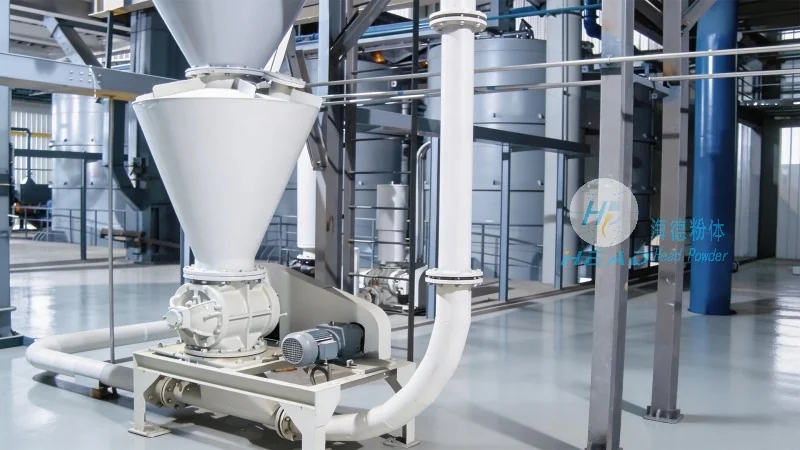
Pneumatic conveying systems utilize air or other gases to transport bulk materials like powders and granules through a pipeline. Unlike traditional mechanical conveying methods, such as screw conveyors or belt conveyors, pneumatic systems offer advantages in terms of flexibility, cleanliness, and the ability to handle hazardous materials. For lithium hydroxide, which is often used in sensitive applications, a well-designed pneumatic conveying system ensures minimal contamination and optimal material handling.
Key Design Principles of Lithium Hydroxide Pneumatic Conveying Systems
The design of a lithium hydroxide pneumatic conveying system involves several critical principles to ensure efficiency, safety, and reliability. First, the system must be engineered to handle the specific properties of lithium hydroxide, including its particle size, moisture content, and chemical reactivity. The pipeline design, including the diameter and material of the pipes, is crucial to prevent material buildup and ensure smooth flow. Additionally, the air pressure and flow rate must be precisely controlled to maintain consistent material transport without causing excessive wear on components.
Components and Operation of the System
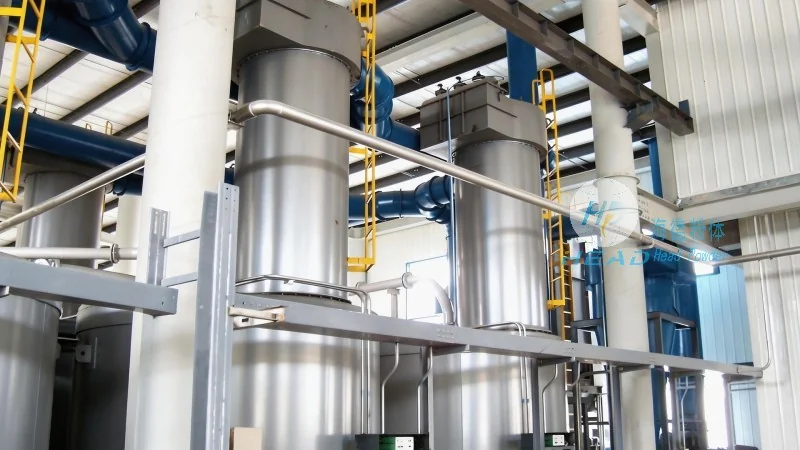
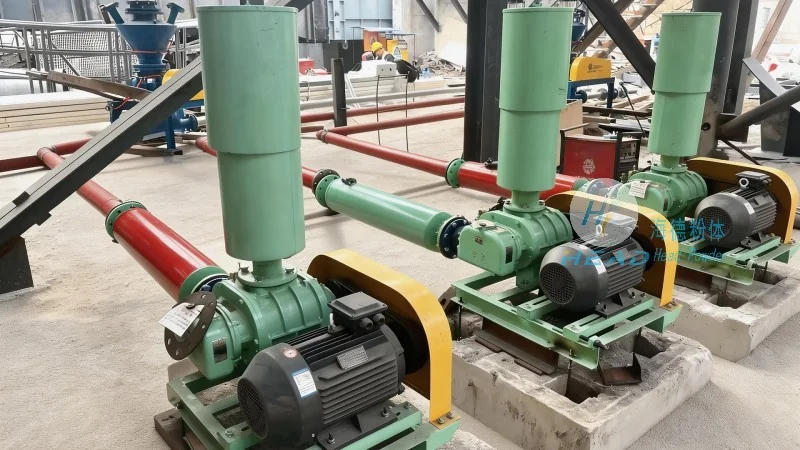
A typical lithium hydroxide pneumatic conveying system consists of several key components. These include a material hopper for storage, a feeder to control the flow of powder into the system, a blower or compressor to generate the necessary air pressure, and a pipeline network that transports the material to the destination. The system operates by introducing air into the pipeline, creating a flow that carries the lithium hydroxide particles. The air velocity is carefully managed to ensure that the particles are suspended and transported without settling or clogging the system.
Advantages of Using Pneumatic Conveying for Lithium Hydroxide
Implementing a pneumatic conveying system for lithium hydroxide offers several benefits. One of the primary advantages is the ability to transport the material in a closed system, which minimizes dust exposure and environmental contamination. This is particularly important for lithium hydroxide, which can be hazardous if inhaled or come into contact with skin. Additionally, pneumatic systems allow for flexible routing, enabling the material to be transported to multiple destinations from a single source. The system also reduces the risk of material degradation due to exposure to air or moisture, which is critical for maintaining the quality of lithium hydroxide used in high-purity applications.
Customization and Scalability
Shandong HeadPowder Engineering Co., Ltd., a leading manufacturer of industrial conveying equipment, specializes in designing and manufacturing customized pneumatic conveying systems tailored to the specific needs of clients. The company, commonly known as HeadPowder, has extensive experience in handling various chemical powders, including lithium hydroxide. Their engineering team works closely with clients to understand their operational requirements and develop systems that meet stringent safety and performance standards. The systems can be scaled to accommodate different production volumes, from small-scale laboratory applications to large industrial plants.
Conclusion
Lithium hydroxide pneumatic conveying systems are essential for the efficient and safe handling of this critical chemical compound. By adhering to key design principles, such as proper pipeline design, controlled air pressure, and material-specific considerations, these systems ensure reliable operation. Companies like Shandong HeadPowder Engineering Co., Ltd. play a vital role in providing advanced conveying solutions that meet the demands of modern industrial processes. The integration of such systems not only enhances operational efficiency but also ensures compliance with safety regulations, making them indispensable in the production and handling of lithium hydroxide.




