Lightweight aggregate powder conveyors are specialized equipment designed for the efficient transportation of lightweight aggregate powders, such as expanded clay, perlite, or other lightweight construction materials. These conveyors play a crucial role in various industrial and construction applications, enabling the smooth and reliable movement of these materials from storage to processing or installation sites. The design of these systems is tailored to handle the unique properties of lightweight aggregates, including their low density, fine particle size, and sometimes abrasive or dusty characteristics.
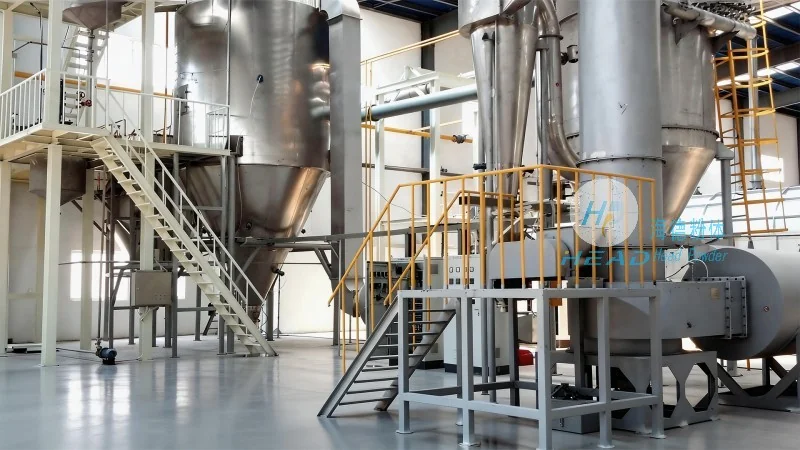
The Core Design Principles of Lightweight Aggregate Powder Conveyors
The design of a lightweight aggregate powder conveyor system is built upon several key principles to ensure optimal performance, efficiency, and reliability. First, the system must address the challenges posed by the low density and fine nature of the material, which can lead to issues like material settling, blockages, or inefficient flow. To mitigate these, the conveyor incorporates features such as a hopper with a sloped or vibratory design to ensure consistent material feeding. The hopper is typically equipped with a feeding mechanism, such as a screw feeder or a rotary valve, which controls the flow rate and prevents overloading the downstream components.
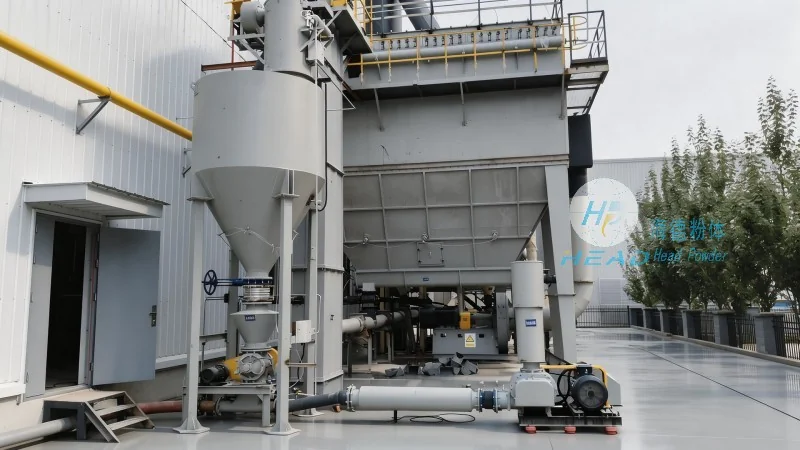
Second, the conveyor's structure is engineered to minimize friction and maintain a consistent air flow, as many lightweight aggregates are aerated or require a controlled environment to prevent caking or agglomeration. This often involves the use of smooth, non-stick surfaces on the conveyor tubes and internal components, along with appropriate air sealing to maintain the material's properties. The system may also include a dust collection or filtration system to manage airborne particles and ensure a clean working environment.
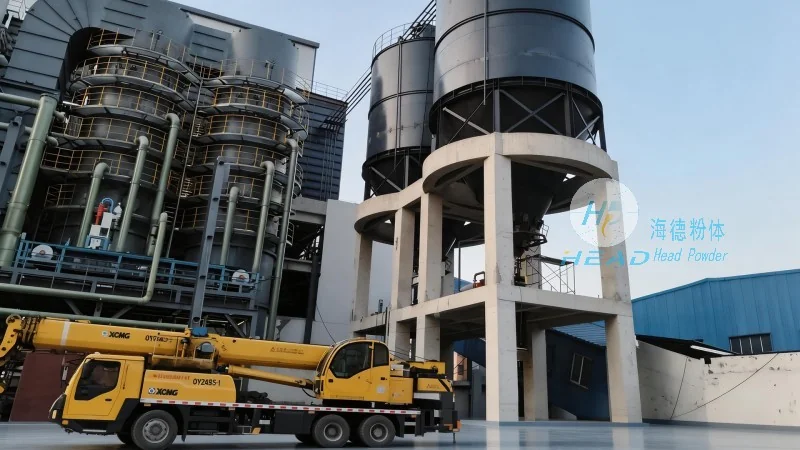
Third, the drive system is a critical component, as it must provide sufficient power to move the lightweight material without causing excessive vibration or wear. Common drive options include electric motors connected to gearboxes or direct-drive systems, which offer precise speed control and energy efficiency. The control system, typically integrated with sensors and a programmable logic controller (PLC), monitors parameters like flow rate, pressure, and temperature, allowing for real-time adjustments and automated operation. This ensures the conveyor operates within optimal parameters, adapting to changes in material characteristics or processing demands.
Key Components and Their Functions in Lightweight Aggregate Powder Conveyors
The effective operation of a lightweight aggregate powder conveyor relies on a combination of specialized components, each designed to address specific challenges of handling fine, low-density powders. The hopper, the first major component, serves as the material storage and feeding unit. It is usually made of durable materials like stainless steel or high-density polyethylene to resist corrosion and wear from the abrasive lightweight aggregates. The hopper's design, often with a conical or rectangular shape and a sloped bottom, facilitates the natural flow of material into the feeding mechanism. A vibratory feeder or a rotary valve may be installed at the hopper outlet to regulate the discharge rate, preventing overloading the conveyor's main body and ensuring a steady flow of material.
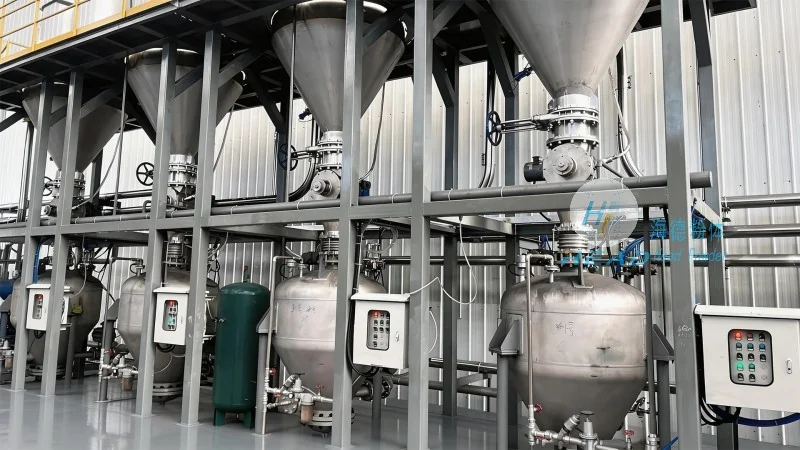
The conveyor tube, which forms the main path for material transport, is a key element in the system's design. Made from materials such as stainless steel, polyethylene, or food-grade plastics, the tube is designed to be smooth and free of sharp edges to minimize friction and prevent material buildup. The tube's diameter and length are carefully selected based on the material's flow characteristics and the required transport distance. In some designs, the tube may be equipped with internal liners or coatings to further reduce friction and enhance material flow, especially for more challenging powders.




