For industries dealing with soybean processing, the efficient and reliable handling of soybean grain powder is a critical aspect of production. A soybean grain powder conveying machine is a specialized piece of equipment designed to transport soybean powder and other similar granular or powdery materials within processing facilities. This equipment plays a vital role in ensuring smooth material flow, reducing labor costs, and enhancing overall operational efficiency in soybean processing plants.
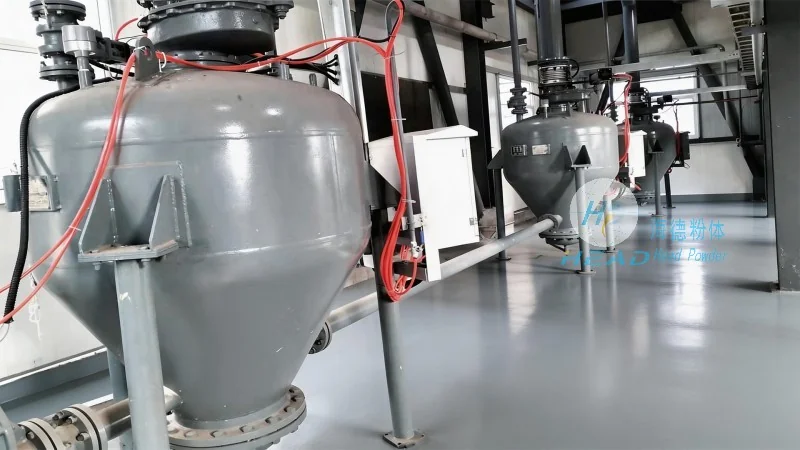
Introduction to HeadPowder: A Leading Provider of Industrial Conveying Solutions
HeadPowder, formally known as Shandong HeadPowder Engineering Co., Ltd., is a reputable company based in Shandong, China. With a strong commitment to innovation and quality, HeadPowder specializes in the design, manufacturing, and supply of advanced industrial conveying equipment. The company's expertise lies in developing tailored solutions for various material handling challenges, including those encountered in the soybean processing industry. HeadPowder's products are engineered to meet the demanding requirements of modern food processing and agricultural industries, ensuring durability, efficiency, and compliance with industry standards.
Understanding the Soybean Grain Powder Conveying Machine
The soybean grain powder conveying machine is a sophisticated system engineered to handle the transportation of soybean powder and other similar powdery materials. It is commonly used in soybean processing facilities for tasks such as moving raw soybean powder from storage to processing units, transporting finished products, or transferring materials between different stages of the production line. This equipment is designed to maintain the integrity of the soybean powder, preventing clumping, contamination, or degradation during the conveying process. The machine's design takes into account the unique properties of soybean powder, such as its fine particle size and potential for static buildup, ensuring effective and safe material handling.
Design Principles of the Soybean Grain Powder Conveying Machine
The design of a soybean grain powder conveying machine is based on several key principles aimed at optimizing performance and reliability. One of the primary design considerations is the material's flow characteristics. Soybean powder, being a fine and cohesive material, requires specialized components to ensure smooth and consistent flow. The machine typically incorporates elements such as a hopper with a sloped bottom to facilitate material discharge and prevent blockages. The hopper is often equipped with a discharge valve or gate to control the flow rate, allowing for precise regulation of material movement.
Another critical design principle is the prevention of material degradation and contamination. Soybean powder is sensitive to moisture and can easily absorb moisture from the air, leading to clumping and reduced quality. Therefore, the conveying machine is often constructed with materials that are resistant to moisture and corrosion, such as stainless steel or coated components. Additionally, the machine may include features like static eliminators or anti-static coatings to prevent static buildup, which can cause material accumulation and affect the conveying efficiency.
The mechanical design of the conveying machine focuses on durability and low maintenance. Components such as the conveyor belt, drive system, and support structures are engineered to withstand the abrasive nature of soybean powder and the continuous operational demands of the processing plant. The drive system is typically powered by electric motors, with options for variable speed control to adjust the conveying speed based on the material's flow characteristics and processing requirements. The support structure is designed to provide stability and reduce vibrations, ensuring smooth operation and minimizing wear on the components.
Key Components and Their Functions
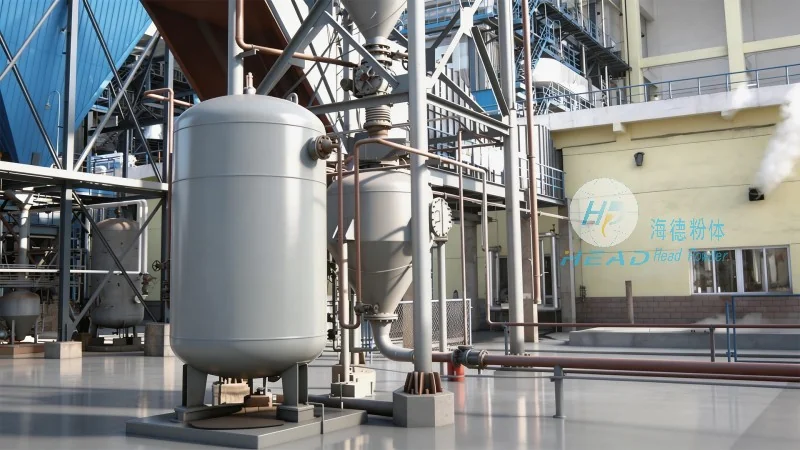
The soybean grain powder conveying machine consists of several key components, each playing a crucial role in the overall operation. The primary components include the hopper, conveyor belt or screw, drive system, and control mechanisms. The hopper serves as the storage and feeding unit, where soybean powder is loaded and then discharged into the conveyor system. The hopper's design, with its sloped sides and discharge valve, ensures that the material flows smoothly and without blockages.
The conveyor system, which can be either a belt conveyor or a screw conveyor, is responsible for transporting the soybean powder from the hopper to the desired destination. A belt conveyor uses a continuous belt with a series of idlers to support and move the material, while a screw conveyor employs a rotating screw to push the material forward. The choice between these two systems depends on the specific application and the characteristics of the soybean powder. For fine powders like soybean powder, a screw conveyor is often preferred due to its ability to handle fine materials without causing excessive wear or degradation.
The drive system, typically consisting of an electric motor and a gearbox, provides the necessary power to move the conveyor belt or screw. The motor is connected to the drive mechanism, which transmits the power to the conveyor components. Variable speed drives are often incorporated to allow for adjustments in conveying speed, enabling operators to optimize the material flow based on production needs. The control mechanisms, including sensors and control panels, monitor the operation of the machine and allow for adjustments to be made in real-time.
Operational Efficiency and Performance
The performance of a soybean grain powder conveying machine is critical to the overall efficiency of the soybean processing plant. Key performance indicators include conveying capacity, which refers to the amount of material that can be transported per unit time, and the efficiency of material handling, which measures how effectively the machine moves the material without causing degradation or loss. The design of the machine, including the hopper geometry, conveyor speed, and material flow control, directly impacts these performance metrics.
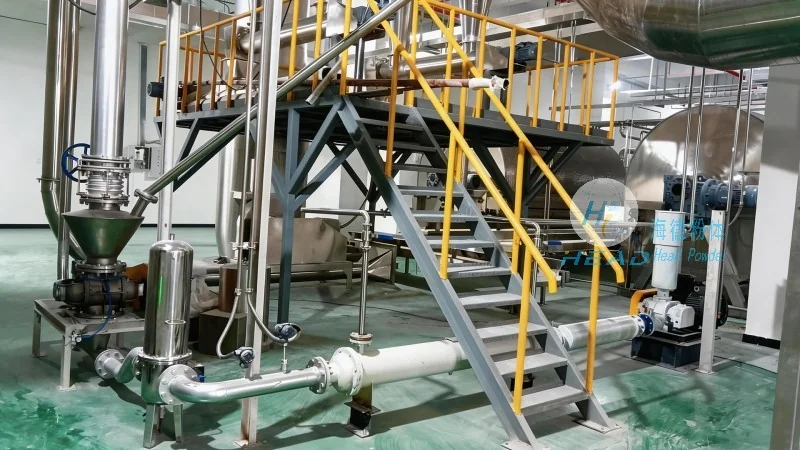
Efficient material handling is achieved through the careful consideration of the material's properties and the machine's design. For example, the use of a screw conveyor with a properly sized pitch and diameter ensures that the soybean powder is moved smoothly without excessive pressure or friction, which could lead to clumping or degradation. The control system allows operators to adjust the conveying speed and flow rate, optimizing the machine's performance based on the current production load and material characteristics.
Reliability is another important aspect of the machine's performance. A well-designed conveying machine should be able to operate continuously for extended periods without requiring frequent maintenance or repairs. This is achieved through the use of high-quality components, such as durable belts, robust drive systems, and corrosion-resistant materials. Regular maintenance, including cleaning and lubrication of the components, is essential to ensure the long-term reliability and efficiency of the machine.
Applications in Soybean Processing
Soybean grain powder conveying machines are widely used in various stages of soybean processing. In the initial stages, the machine may be used to transport raw soybean powder from storage silos to the processing units, such as grinding or extrusion machines. During the processing stages, the machine can be used to move the processed soybean products between different processing steps, such as from the grinding stage to the drying or packaging stage. In the final stages, the machine may be used to transport the finished soybean products to the packaging area or storage facilities.
These machines are also used in other applications within the soybean processing industry, such as in the production of soybean oil, soybean protein, and other soybean-based products. The versatility of the conveying machine allows it to handle different types of soybean products, from raw powder to finished goods, making it an essential component of modern soybean processing facilities.
Conclusion
The soybean grain powder conveying machine is a vital piece of equipment in the soybean processing industry, designed to efficiently and reliably transport soybean powder and other similar materials. The design principles, components, and operational features of this machine are tailored to meet the specific demands of soybean processing, ensuring optimal performance and minimal material degradation. With its robust construction and advanced design, the soybean grain powder conveying machine from HeadPowder provides a reliable solution for industries seeking to enhance their material handling capabilities and improve overall production efficiency.




