For industrial facilities dealing with flue gas desulfurization (FGD) processes, the efficient handling and transportation of the resulting ash powder is a critical operational challenge. This is where specialized equipment like the dry flue gas desulfurization ash powder conveyor comes into play. As a key component in FGD systems, this conveyor system is designed to manage the dry ash byproducts produced during the removal of sulfur dioxide from exhaust gases. Understanding its function and design principles is essential for optimizing plant performance and ensuring compliance with environmental regulations. Developed by Shandong HeadPowder Engineering Co., Ltd., a leading manufacturer based in China, this equipment represents a reliable solution for industrial applications.
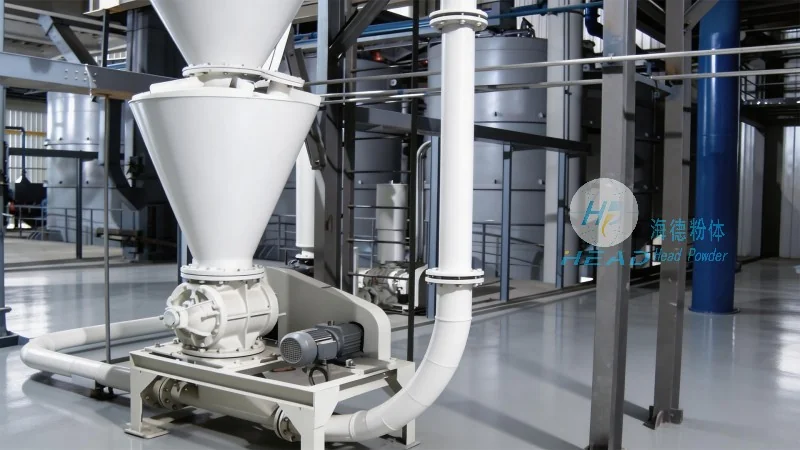
Introduction to Dry Flue Gas Desulfurization Ash Powder Conveyors
The dry flue gas desulfurization ash powder conveyor is a specialized piece of equipment used in power plants and other industrial facilities that employ wet or dry flue gas desulfurization technologies. The primary purpose of this conveyor is to transport the dry ash or gypsum byproducts that result from the desulfurization process. Unlike wet systems that produce a slurry, dry FGD processes generate a fine powder that requires a different type of material handling equipment. The conveyor system is engineered to handle this dry, powdery material efficiently, ensuring it can be moved from the desulfurization unit to storage or disposal areas without clogging or loss of material.
Design Principles of the Dry FGD Ash Powder Conveyor
The design of a dry flue gas desulfurization ash powder conveyor is based on several key principles to ensure optimal performance and reliability. First, the system must be capable of handling the fine, dry ash particles without causing blockages or material degradation. This typically involves the use of specialized conveyor components such as screw conveyors, pneumatic conveyors, or belt conveyors, each with its own advantages depending on the specific application and material characteristics. For example, screw conveyors are often used for horizontal or slight incline transport due to their ability to mix and move material continuously, while pneumatic conveyors use air pressure to transport the powder through pipes, which is ideal for long-distance or vertical transport.
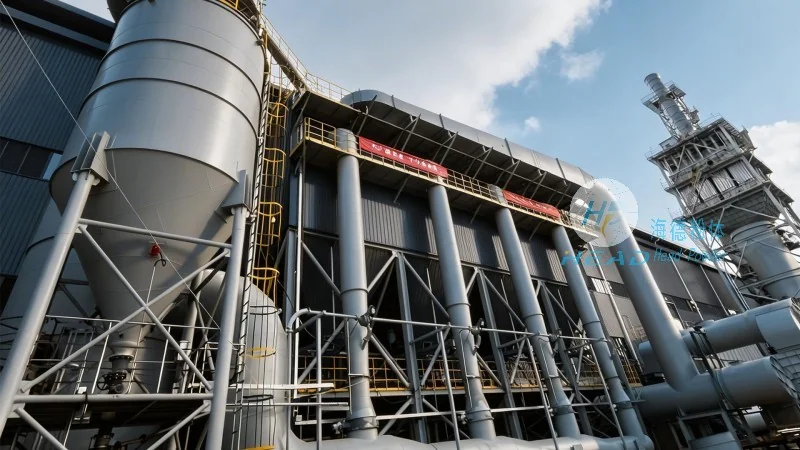
Second, the conveyor must be constructed from materials that are resistant to corrosion and abrasion. The ash produced in FGD processes can be highly corrosive and abrasive due to the presence of sulfur compounds and other chemicals. Therefore, components such as the conveyor housing, screws, and bearings are often made from stainless steel or other corrosion-resistant alloys to ensure long-term durability and minimize maintenance requirements. Additionally, the system is designed with features like sealing mechanisms and dust collection to prevent material leakage and protect the environment from contamination.
Key Components and Operational Mechanisms
The dry flue gas desulfurization ash powder conveyor consists of several key components that work together to achieve efficient material transport. The main components include the feed hopper, conveyor mechanism (such as a screw or belt), drive system, and discharge outlet. The feed hopper is designed to collect the dry ash from the desulfurization unit and feed it into the conveyor at a controlled rate. The conveyor mechanism then moves the material along the path of the system, either horizontally or vertically, depending on the layout of the facility. The drive system provides the necessary power to rotate the conveyor components, ensuring consistent material movement. Finally, the discharge outlet allows the ash to be released into a storage silo or other disposal area.
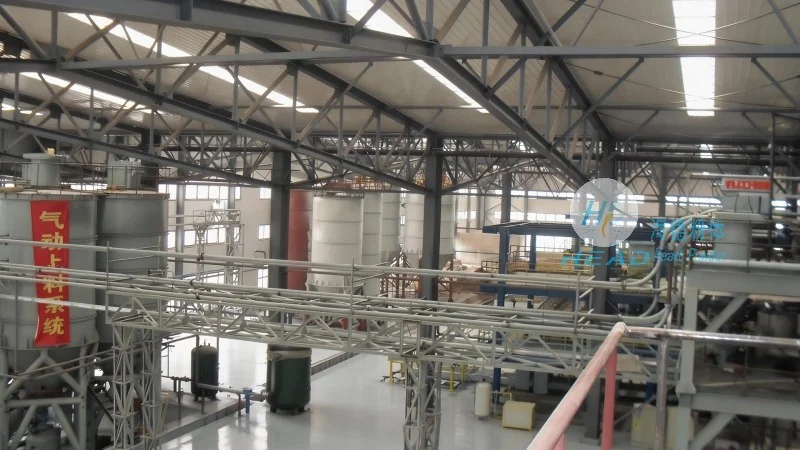
Operational mechanisms vary depending on the type of conveyor used. For screw conveyors, the rotating screw (or auger) pushes the material forward through the conveyor tube. The pitch and speed of the screw can be adjusted to control the flow rate and prevent clogging. For pneumatic conveyors, compressed air is used to create a pressure differential that propels the ash particles through the pipeline. This method is particularly effective for transporting the ash over long distances or through vertical lifts, as it can handle both horizontal and vertical transport without the need for additional equipment.
Advantages and Applications
Implementing a dry flue gas desulfurization ash powder conveyor offers several advantages for industrial facilities. One of the primary benefits is the reduction in water usage compared to wet FGD systems, as the dry process eliminates the need for large volumes of water to manage the ash. This not only conserves water resources but also reduces the overall operational costs associated with water treatment and disposal. Additionally, the dry ash is often more stable and less prone to reactivity compared to wet ash, making it easier to handle and store.
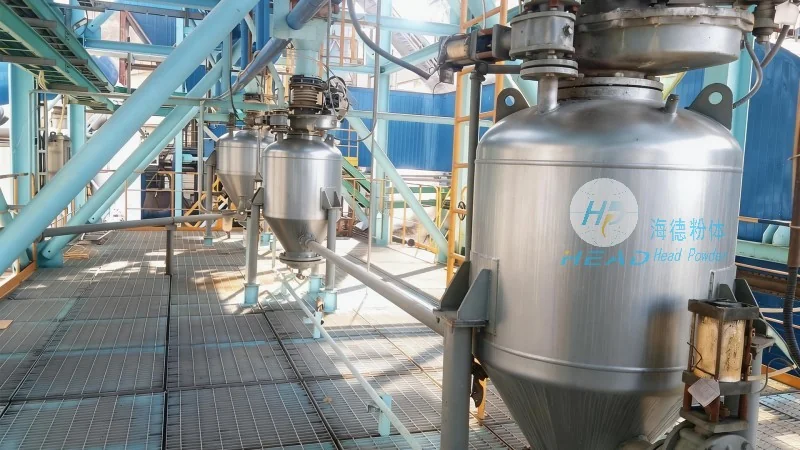
These conveyors are commonly used in power plants, chemical plants, and other industrial facilities that utilize flue gas desulfurization to comply with environmental regulations. They are particularly useful in facilities where the ash needs to be transported over long distances or to remote storage sites. The ability to handle the dry ash efficiently ensures that the desulfurization process can operate continuously without interruptions, contributing to the overall reliability and efficiency of the plant.
Conclusion
In summary, the dry flue gas desulfurization ash powder conveyor is a critical piece of equipment for facilities using flue gas desulfurization technologies. Its design principles focus on efficient material handling, corrosion resistance, and environmental protection. By understanding the function and operational mechanisms of this conveyor, industrial facilities can optimize their FGD processes, reduce operational costs, and ensure compliance with environmental standards. As a key component in modern industrial operations, the dry FGD ash powder conveyor plays a vital role in the sustainable management of flue gas emissions and byproduct disposal.




