When it comes to industrial material handling, the efficient and reliable transport of dry slurry materials is a critical challenge. A dry slurry material handling system is a specialized setup designed to move powders and fine particles in a semi-liquid state, often used in industries such as mining, chemical processing, and food production. The core of this system lies in its ability to handle materials that are difficult to transport using traditional methods, ensuring consistent flow and minimal loss. This article explores the fundamental aspects of such systems, focusing on their design principles and the key components that make them effective.
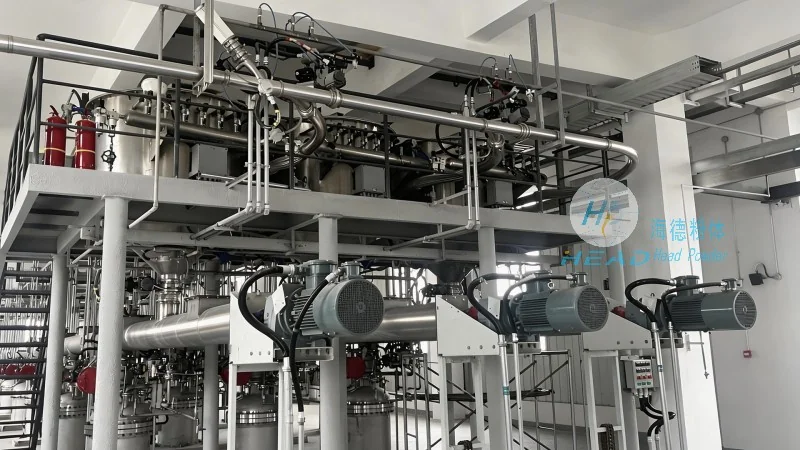
Key Components of a Dry Slurry Material Handling System
A dry slurry material handling system typically consists of several interconnected components that work in harmony to achieve the desired material transport. The primary components include a slurry pump or conveyor, a feeding mechanism, a pipeline or duct system, and a control unit. The slurry pump or conveyor is responsible for generating the necessary pressure and flow to move the material through the system. The feeding mechanism ensures that the material is introduced into the system at a controlled rate, preventing overloading or clogging. The pipeline or duct system provides the pathway for the slurry to travel from the source to the destination, often using materials like stainless steel or PVC to prevent corrosion and material degradation. The control unit monitors and adjusts the system's operation, ensuring optimal performance and safety.
Design Principles for Optimal Performance
The design of a dry slurry material handling system is guided by several key principles aimed at maximizing efficiency, reliability, and safety. One of the most important principles is the maintenance of a consistent flow rate. This is achieved by ensuring that the system's components are sized appropriately and that the material is fed at a steady rate. Another critical principle is the prevention of clogging and blockages. This is accomplished through the use of appropriate pump designs, such as positive displacement pumps, and by maintaining the pipeline's slope to ensure proper drainage. Additionally, the system's design must consider the material's properties, including its particle size, moisture content, and abrasiveness, to select the right materials for the components and the appropriate pump type. For example, materials with high abrasiveness may require more robust pump parts and pipeline linings to extend the system's lifespan.
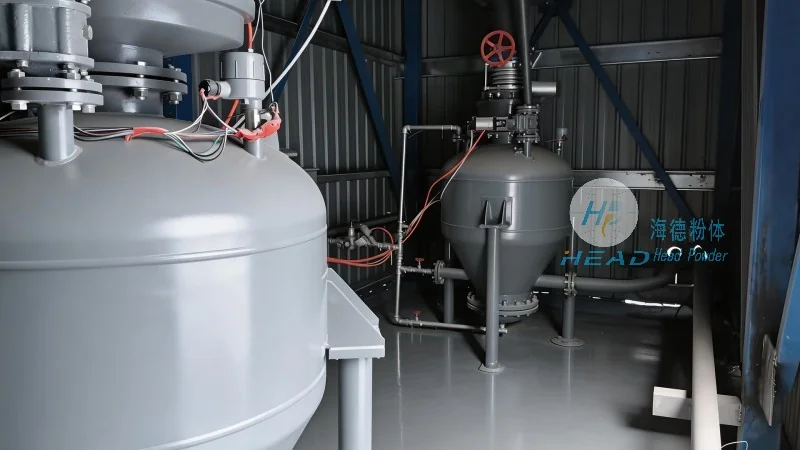
Application of Dry Slurry Material Handling Systems
Dry slurry material handling systems find applications in a wide range of industries where the transport of fine powders and semi-liquid materials is essential. In the mining industry, these systems are used to transport tailings and ore slurries from processing plants to disposal sites or for further processing. In the chemical industry, they are employed to move slurry containing chemicals and additives, ensuring uniform mixing and consistent product quality. The food and beverage industry also utilizes these systems for the transport of powders like flour, sugar, and other ingredients, maintaining hygiene and preventing contamination. The effectiveness of these systems in these applications is directly linked to their design principles, which are tailored to the specific requirements of each industry.
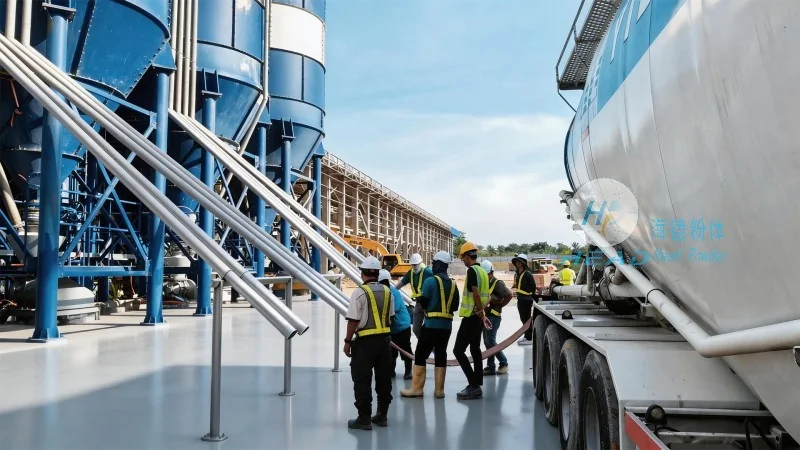
Advantages of Using Dry Slurry Material Handling Systems
Implementing a dry slurry material handling system offers several advantages over traditional methods of material transport. One of the most significant benefits is the ability to handle materials that are difficult to move using conventional conveyors or trucks. This includes fine powders that tend to settle or clump together, as well as materials with high moisture content that can cause clogging. The system's design allows for continuous and automated operation, reducing labor costs and increasing production efficiency. Additionally, the use of appropriate materials in the construction of the system ensures durability and resistance to corrosion, minimizing maintenance requirements and extending the system's operational life. The control unit provides real-time monitoring and adjustment capabilities, enabling operators to quickly respond to any changes in the system's performance or material flow, thus enhancing overall system reliability.
Conclusion
In conclusion, a dry slurry material handling system is a sophisticated and essential component in many industrial processes, designed to efficiently transport materials that are challenging to handle using traditional methods. The design principles, which focus on consistent flow, clog prevention, and material compatibility, are crucial for the system's effectiveness and longevity. As industries continue to evolve and demand higher efficiency and reliability, the importance of well-designed dry slurry material handling systems will only grow. For companies operating in sectors that rely on the transport of fine powders and semi-liquid materials, investing in a properly designed and maintained system is a strategic decision that can lead to improved productivity, reduced costs, and enhanced safety.




