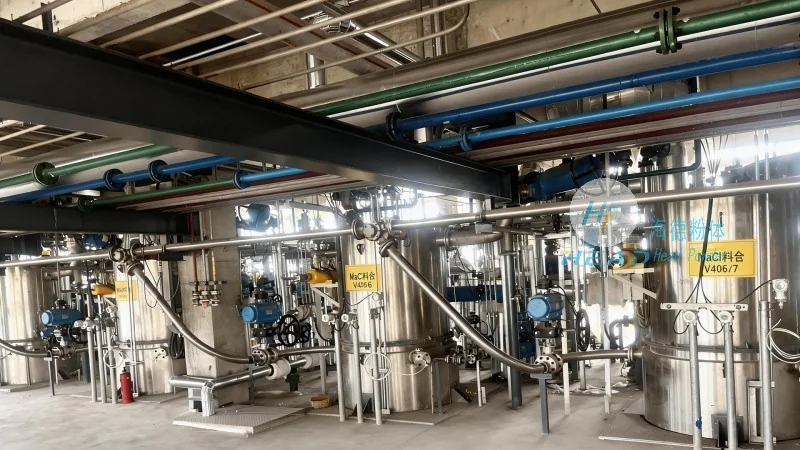
Automatic weighing material handling conveyors are advanced industrial systems designed to integrate material transport with precise weight measurement. These systems are crucial in various industries, including pharmaceuticals, food processing, and manufacturing, where accurate weight control is essential for quality assurance and compliance with regulatory standards. The integration of conveyor technology with weighing mechanisms enables efficient and reliable handling of materials while ensuring that each batch or unit is measured accurately.
Introduction to Automatic Weighing Material Handling Conveyors
HeadPowder, a leading provider in the field, specializes in the design, manufacturing, and integration of such systems. Based in Shandong, China, the company leverages decades of experience to deliver customized solutions tailored to specific industrial needs. The company’s focus on precision engineering ensures that each conveyor system meets stringent requirements for accuracy, durability, and operational efficiency. By combining robust mechanical components with advanced electronic controls, HeadPowder’s conveyors offer a seamless solution for material handling and weighing processes.
Key Design Principles of Automatic Weighing Conveyors
The design of an automatic weighing material handling conveyor revolves around several critical principles that ensure optimal performance. First, the system must maintain a stable and consistent flow of materials to prevent variations in weight readings. This is achieved through the use of adjustable speed drives and smooth belt or chain systems that minimize vibration and ensure uniform material placement on the weighing platform. Second, the weighing mechanism itself is typically a load cell-based system, which converts the weight of the material into an electrical signal. Modern systems often incorporate multiple load cells arranged in a bridge configuration to enhance accuracy and reduce the impact of environmental factors like temperature and humidity.
Third, the integration of sensors and control systems allows for real-time monitoring and adjustment of the conveyor’s operation. Sensors can detect the presence of materials, trigger weighing cycles, and communicate weight data to a central control unit or a production management system. This connectivity enables automated processes, such as adjusting the feed rate or triggering downstream operations based on weight parameters. Additionally, the design emphasizes modularity, allowing for easy integration with existing production lines and future scalability as production needs evolve.
Components and Functional Aspects
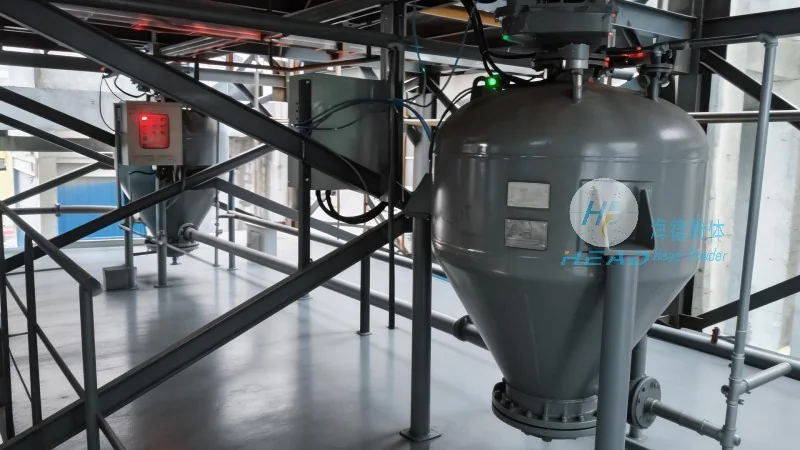
Automatic weighing material handling conveyors consist of several key components that work in harmony to achieve their objectives. The primary components include a conveyor belt or roller system for material transport, a weighing platform or hopper equipped with load cells, a control panel with digital display and operational controls, and connectivity options for data transmission. The conveyor system may be designed as a belt conveyor, chain conveyor, or a combination of both, depending on the material characteristics and handling requirements. For example, bulk materials like powders or granules are often handled using a belt conveyor with a hopper that feeds the material onto the weighing platform. The load cells are strategically placed under the weighing platform to capture the weight accurately, and the control system processes the signal to provide a precise weight reading.
The control system typically includes a microprocessor or PLC (Programmable Logic Controller) that manages the conveyor speed, weighing cycles, and data output. It may also feature user-friendly interfaces with digital displays showing weight values, operational status, and alarm indicators for any deviations from set parameters. The system can be programmed to perform automatic checks, such as zeroing the scale before each weighing cycle or compensating for environmental factors, ensuring consistent accuracy over time. Furthermore, the integration of safety features, such as emergency stop buttons and overload protection, is essential to prevent accidents and equipment damage during operation.
Applications and Benefits in Industrial Settings
The application of automatic weighing material handling conveyors spans multiple industries, each benefiting from the system’s ability to enhance efficiency and accuracy. In the pharmaceutical industry, these systems are used to weigh active ingredients and packaging materials, ensuring that each batch meets dosage requirements and regulatory standards. The food processing sector utilizes them for weighing raw ingredients, such as flour or sugar, and finished products, like packaged snacks, to maintain consistent quality and prevent over or under-filling. In manufacturing, they are employed in assembly lines to weigh components before they are integrated into final products, ensuring that each unit meets weight specifications and reduces waste.
The benefits of implementing such systems extend beyond mere weight measurement. They contribute to improved production efficiency by reducing manual handling and measurement errors, which can lead to significant cost savings over time. The automation of weighing processes also enhances safety in the workplace by minimizing the need for workers to handle heavy or hazardous materials manually. Additionally, the real-time data provided by these systems enables better inventory management and quality control, allowing companies to make informed decisions based on accurate weight data. By integrating with existing production management systems, the conveyors can provide valuable insights into production performance, helping to identify bottlenecks and optimize processes.
Customization and Integration with Existing Systems
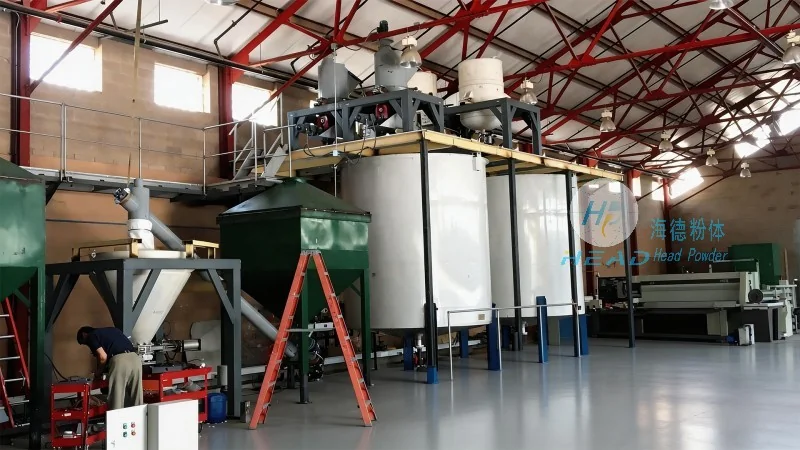
HeadPowder recognizes that each industrial environment has unique requirements, and therefore, offers customized solutions for automatic weighing material handling conveyors. The company works closely with clients to understand their specific needs, such as material type, production volume, and regulatory compliance, and designs a system that meets those requirements. Customization may include adjustments to conveyor speed, the number of load cells, the type of weighing platform, and the integration of additional features like temperature control or dust suppression, depending on the application. This tailored approach ensures that the system operates efficiently and effectively within the client’s existing infrastructure.
Integration with existing production lines is a key consideration in the design process. HeadPowder’s systems are engineered to be compatible with a wide range of industrial equipment, including mixers, fillers, and packaging machines. The control systems can be configured to communicate with these devices via standard protocols, such as Modbus or Ethernet/IP, enabling seamless data exchange and automated workflow. This integration minimizes the need for manual intervention and ensures that the weighing process is part of a larger, automated production line. Furthermore, the company provides technical support and training to clients to ensure that the system is operated and maintained correctly, maximizing its lifespan and performance.
Conclusion and Future Outlook
Automatic weighing material handling conveyors represent a significant advancement in industrial material handling, combining the efficiency of conveyor systems with the precision of weighing technology. The design principles, components, and applications of these systems are tailored to meet the diverse needs of modern industries, offering benefits such as improved accuracy, enhanced efficiency, and increased safety. As technology continues to evolve, these systems are likely to become even more sophisticated, incorporating features like artificial intelligence for predictive maintenance and advanced data analytics for process optimization. For companies seeking to enhance their material handling and weighing processes, partnering with a reputable provider like HeadPowder can lead to customized solutions that drive operational excellence and competitive advantage.




