Unmanned material feeding conveying equipment represents a sophisticated solution in modern industrial automation, designed to streamline the process of material handling and feeding without human intervention. These systems are integral to enhancing operational efficiency, reducing labor costs, and improving safety in various manufacturing and processing environments. The core of such equipment lies in its ability to automatically transport and deliver raw materials or components to the next stage of production, ensuring consistent and reliable performance.
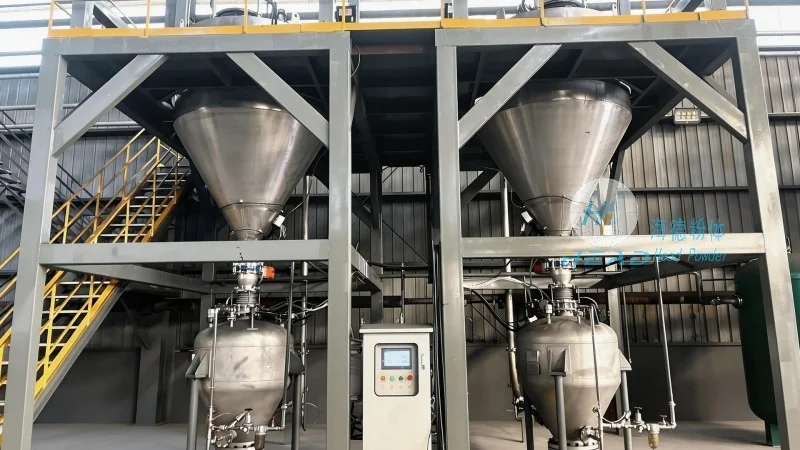
Introduction to Unmanned Material Feeding Conveying Equipment
At the heart of industrial operations, material feeding and conveying are critical steps that can significantly impact overall productivity. Traditional methods often rely on manual labor, which can be prone to errors, fatigue, and safety risks. Unmanned material feeding conveying equipment addresses these challenges by integrating advanced technologies such as robotics, sensors, and control systems. The primary goal is to create a seamless, automated workflow that minimizes human involvement while maintaining high accuracy and speed.
Key Components and Functions of the Equipment
The design of unmanned material feeding conveying equipment typically involves several key components that work in concert to achieve its objectives. These include feeding mechanisms, conveying systems, positioning devices, and control units. The feeding mechanism may consist of hoppers, vibrators, or automated pick-and-place units that retrieve materials from storage and prepare them for transport. The conveying system, which can be belt-driven, chain-driven, or pneumatic, ensures the materials are moved efficiently to the designated processing or assembly stations. Positioning devices, often equipped with sensors and feedback loops, allow for precise placement of materials, reducing the need for manual adjustments. The control unit, usually a programmable logic controller (PLC) or a computer-based system, coordinates all these functions, ensuring the equipment operates in a synchronized manner.
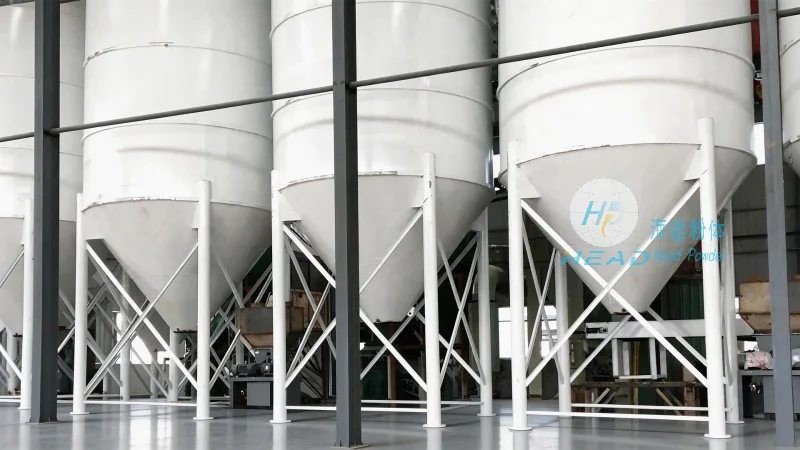
Design Principles Underpinning the Equipment
The design principles of unmanned material feeding conveying equipment are centered on reliability, adaptability, and integration with existing production lines. Reliability is paramount, as these systems are expected to operate continuously without frequent downtime. This is achieved through robust construction, high-quality components, and redundant safety features. Adaptability is another critical principle, as different industries and applications may require variations in the type of materials handled, the speed of operation, or the layout of the production environment. Modern designs often incorporate modular components that can be easily reconfigured to suit changing production needs. Integration with existing systems is also a key design consideration, as these equipment must seamlessly connect with other machinery, such as assembly lines, packaging units, or quality control stations. This integration ensures a smooth flow of materials throughout the entire production process.
Advantages of Implementing Unmanned Material Feeding Conveying Equipment
Adopting unmanned material feeding conveying equipment offers numerous advantages that contribute to improved operational performance. One of the most significant benefits is the reduction in labor costs, as the system eliminates the need for manual material handling. This not only lowers operational expenses but also frees up human resources to focus on more complex and value-added tasks. Additionally, the equipment enhances safety in the workplace by minimizing human exposure to hazardous environments or heavy lifting operations. The consistent and precise operation of the equipment also leads to improved product quality and reduced waste, as materials are handled with greater accuracy and care. Furthermore, the automation of material feeding and conveying allows for increased production throughput, as the system can operate continuously without breaks or fatigue-related errors.
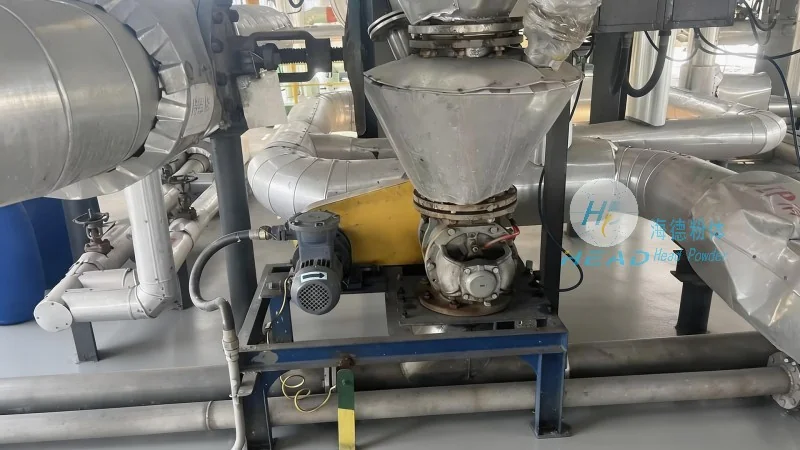
Applications in Various Industries
Unmanned material feeding conveying equipment finds applications across a wide range of industries, including manufacturing, pharmaceuticals, food processing, and electronics. In manufacturing, these systems are commonly used in assembly lines for feeding components to machines, ensuring a steady supply of parts for production. In the pharmaceutical industry, they are employed to handle raw materials and finished products with high precision, meeting stringent quality and safety standards. Food processing industries benefit from the equipment's ability to handle perishable items and maintain hygiene standards, while electronics manufacturing utilizes it for feeding small components and parts with high accuracy. The versatility of these systems makes them suitable for various applications, from small-scale operations to large-scale industrial facilities.
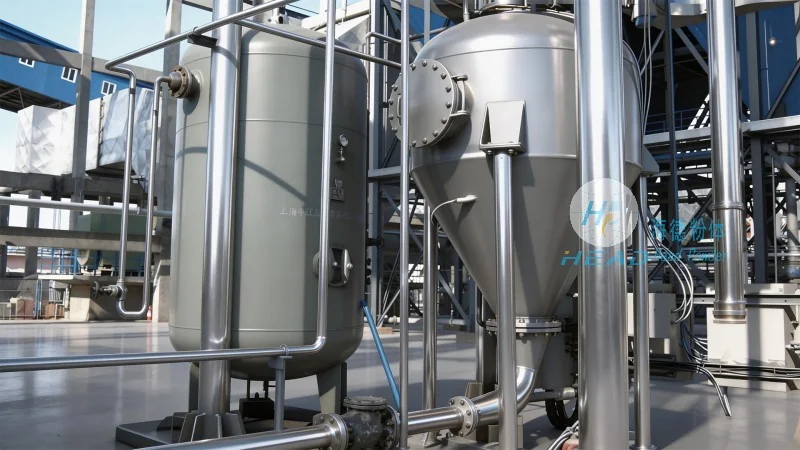
Conclusion and Company Overview
Unmanned material feeding conveying equipment represents a significant advancement in industrial automation, offering efficient, reliable, and safe solutions for material handling and feeding. The design principles and components of these systems are tailored to meet the diverse needs of modern industries, ensuring seamless integration and optimal performance. As technology continues to evolve, these equipment will likely become even more sophisticated, incorporating artificial intelligence and machine learning to further enhance their capabilities. For businesses seeking to improve their operational efficiency and reduce costs, investing in such equipment is a strategic move that aligns with the demands of the modern manufacturing landscape.
Shandong HeadPowder Engineering Co., Ltd., a leading provider in this field, specializes in the design, manufacturing, and integration of unmanned material feeding conveying equipment. With a focus on innovation and customer-centric solutions, the company has established itself as a trusted partner for industries seeking to enhance their automation capabilities. HeadPowder's expertise lies in developing customized systems that meet specific operational requirements, ensuring optimal performance and reliability. The company's commitment to quality and customer satisfaction has earned it a reputation for excellence in the industry. Based in Shandong, China, HeadPowder leverages its local resources and expertise to deliver cutting-edge solutions that drive industrial progress. By partnering with HeadPowder, businesses can leverage advanced technology to achieve higher productivity, improved safety, and enhanced competitiveness in their respective markets.




