Quicklime powder conveying lines are specialized systems engineered to transport quicklime powder efficiently and safely. As a crucial component in various industrial processes, these lines are designed to handle the unique properties of quicklime, such as its reactivity and dustiness. Understanding the design principles behind these systems is essential for optimizing performance and ensuring operational safety.
Understanding Quicklime Powder Conveying Lines
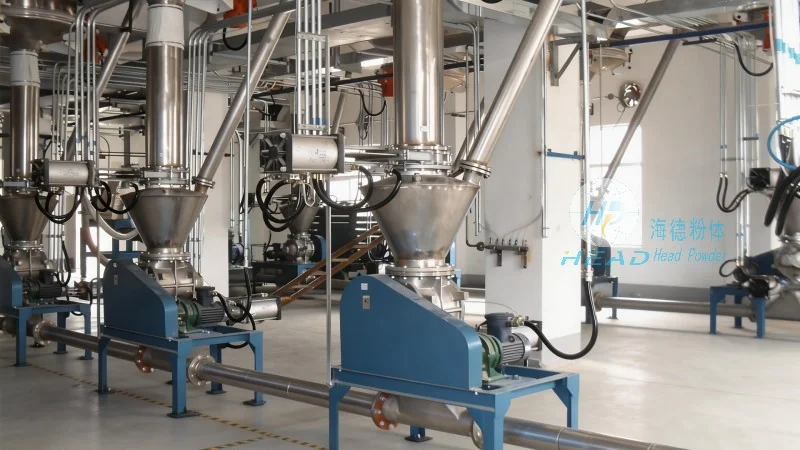
Quicklime, also known as calcium oxide (CaO), is a widely used industrial material derived from limestone through calcination. Its powder form is highly reactive and can cause respiratory issues if not handled properly. Therefore, the design of a quicklime powder conveying line must prioritize dust control, material flow management, and equipment durability. The system typically includes components like hoppers, feeders, conveyors, and dust collection systems, all integrated to ensure smooth and safe powder transport.
Key Design Principles for Quicklime Powder Conveying Lines
The design of a quicklime powder conveying line is guided by several critical principles aimed at optimizing performance, safety, and efficiency. First, the system must address the material's reactivity and dust generation. This involves implementing effective dust suppression measures, such as enclosed conveyors and filtration systems, to minimize exposure risks. Second, the design focuses on maintaining consistent material flow to prevent blockages or uneven distribution. This is achieved through the use of appropriate feeders and conveyor types, such as screw conveyors or pneumatic systems, tailored to the specific characteristics of quicklime powder.
Third, the system must ensure durability and resistance to corrosion, as quicklime can be abrasive and reactive with certain materials. Materials like stainless steel or specialized coatings are often used for components that come into direct contact with the powder. Additionally, the design considers energy efficiency, as the operation of conveying systems can be a significant cost factor. Optimizing the conveyor speed, feed rate, and system layout helps reduce energy consumption while maintaining performance.
Components and Their Roles in a Quicklime Powder Conveying Line
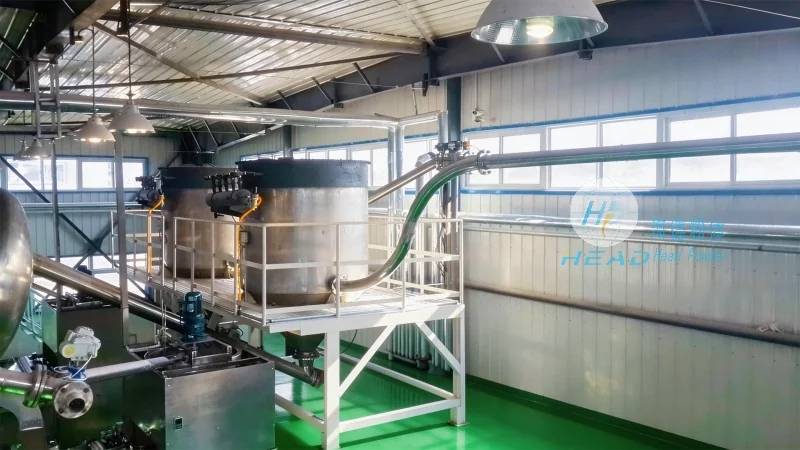
A typical quicklime powder conveying line consists of several key components, each playing a vital role in the overall operation. The primary components include hoppers for material storage, feeders to regulate the flow of powder into the conveyor, and conveyors to transport the material to its destination. Hoppers are designed with sloped sides to prevent material bridging and ensure uniform discharge. Feeders, such as rotary valves or vibratory feeders, control the rate at which powder enters the conveyor, preventing overloading and maintaining consistent flow.
The conveyor system is the core of the line, responsible for moving the quicklime powder from the source to the destination. Common types of conveyors used in these systems include screw conveyors, belt conveyors, and pneumatic conveying systems. Screw conveyors are often preferred for horizontal or slightly inclined transport due to their ability to handle bulk materials and maintain a closed system. Belt conveyors are suitable for longer distances and can handle larger volumes. Pneumatic conveying systems use air to transport the powder, which is ideal for applications requiring high dust control and flexibility.
Additionally, dust collection and filtration systems are essential components to manage the dust generated during the conveying process. These systems help protect personnel from respiratory hazards and maintain a clean working environment. The design of these systems includes filters, cyclones, and collection hoppers, which work together to capture and remove dust particles from the air. Proper maintenance of these components is crucial to ensure the system operates efficiently and safely.
The Importance of Material Handling in Quicklime Processing
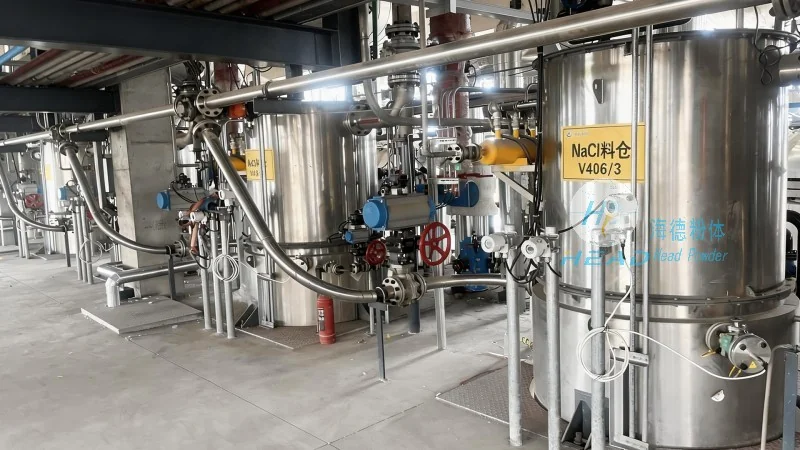
Efficient material handling is a critical aspect of quicklime processing, as the powder's properties can significantly impact the performance of conveying systems. Quicklime is hygroscopic, meaning it absorbs moisture from the air, which can affect its reactivity and handling characteristics. Therefore, the design of the conveying line must account for moisture control, such as using sealed containers and maintaining dry conditions in the system. This helps prevent clumping or caking of the powder, which can lead to blockages and operational issues.
Another important consideration is the potential for chemical reactions with other materials or equipment. Quicklime is highly alkaline and can react with acidic substances or certain metals, causing corrosion or degradation. The design of the conveying line must use materials that are compatible with quicklime, such as stainless steel or specialized coatings, to prevent these reactions and ensure the longevity of the equipment.
Operational Considerations and Safety Measures
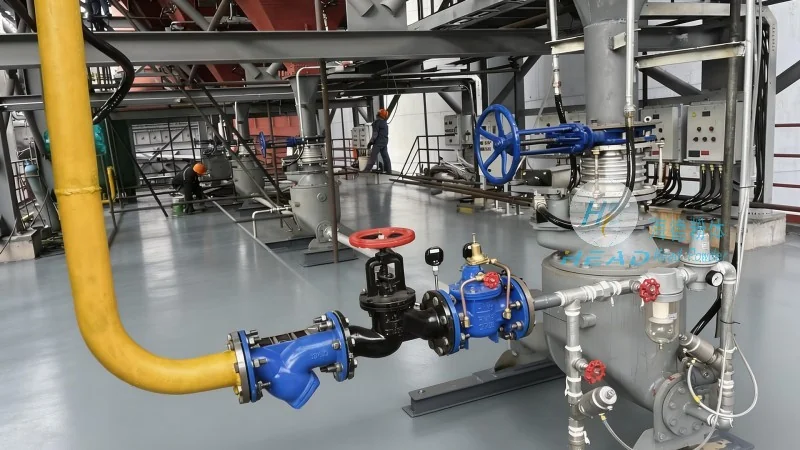
Operational considerations and safety measures are paramount when designing and operating a quicklime powder conveying line. The system must be equipped with safety features to protect personnel and equipment from potential hazards. This includes emergency stop buttons, interlocks to prevent unauthorized access, and monitoring systems to detect abnormal conditions like overpressure or blockages. Regular maintenance and inspections are also essential to ensure the system operates within safe parameters and to identify any potential issues before they become major problems.
The design of the conveying line should also consider the environmental impact of dust emissions. Implementing effective dust control measures, such as enclosed systems and filtration, helps minimize the release of dust into the environment, complying with environmental regulations and protecting the surrounding area. Additionally, the system should be designed for easy access for maintenance and cleaning, reducing downtime and ensuring long-term reliability.
Conclusion
In conclusion, quicklime powder conveying lines are sophisticated systems designed to handle the unique challenges of transporting quicklime powder. The design principles, components, and operational considerations all work together to ensure efficient, safe, and reliable material transport. By understanding these aspects, industries can optimize their processes and minimize risks associated with quicklime handling. The expertise of companies like Shandong HeadPowder Engineering Co., Ltd. in designing and manufacturing such systems plays a crucial role in meeting the demands of modern industrial applications.




