When dealing with sodium hydroxide (NaOH), commonly known as caustic soda, in industrial settings, the efficient and safe handling of its powder form is crucial. A sodium hydroxide powder conveying line is a specialized system engineered to transport this caustic material from storage to processing areas. This article explores the fundamental aspects of such a system, focusing on its design principles and the key elements that ensure optimal performance.
Introduction to Sodium Hydroxide Powder Conveying Lines
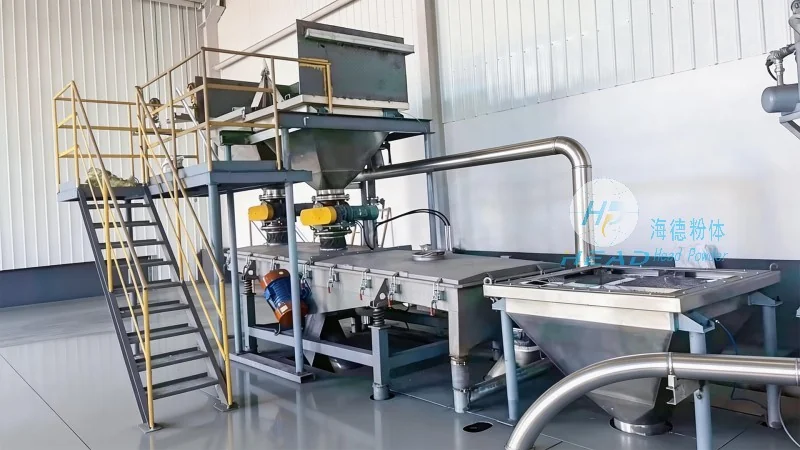
Sodium hydroxide is a highly reactive and corrosive chemical, making its handling require stringent safety measures and reliable equipment. The powder conveying line is designed to address the challenges of moving this material, which can be abrasive and reactive with air or moisture. By integrating various components like hoppers, feeders, conveyors, and control systems, these lines ensure that the material is transported without degradation or risk of exposure to personnel. The primary goal is to maintain the integrity of the powder while minimizing the risk of accidents or contamination.
Understanding the Core Components of the Conveying System
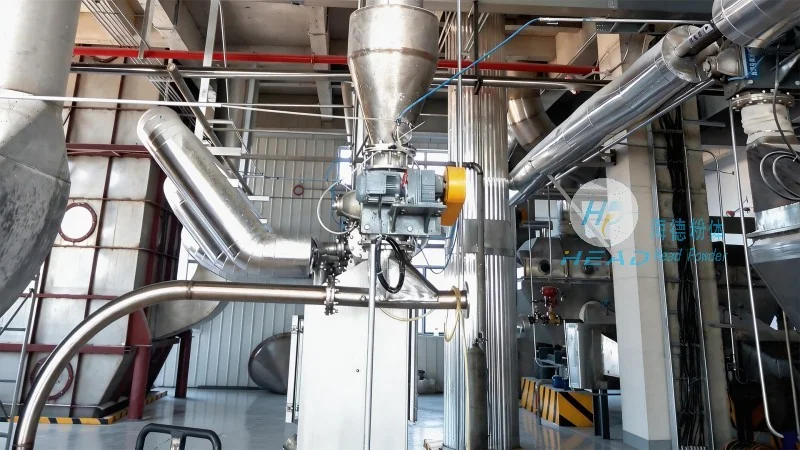
The effectiveness of a sodium hydroxide powder conveying line relies on its integrated components, each serving a specific function in the material flow. The system typically begins with a storage hopper, which is designed to hold the bulk of the sodium hydroxide powder. This hopper is often equipped with a lid and a venting system to manage dust and moisture, preventing caking or degradation of the material. From the hopper, a feeder, such as a rotary valve or a screw feeder, regulates the flow of powder into the conveyor. The conveyor itself, which may be a pneumatic or mechanical system, transports the powder to the processing unit. Pneumatic conveyors use air pressure to move the powder, while mechanical conveyors rely on belts or buckets. The choice of conveyor type depends on factors like the material's properties, the distance to be covered, and the required flow rate.
Design Principles for Efficient Powder Handling
Designing a sodium hydroxide powder conveying line involves several key principles aimed at maximizing efficiency and safety. One of the most critical principles is the prevention of material degradation. Sodium hydroxide can absorb moisture from the air, leading to caking or clumping, which can obstruct the conveyor and reduce efficiency. Therefore, the system is often designed with enclosed components and proper sealing to minimize exposure to ambient conditions. Another principle is the reduction of dust generation. Dust from sodium hydroxide is hazardous and can cause respiratory issues or fire hazards. The use of dust collection systems and enclosed hoppers helps to contain and manage dust, ensuring a safe working environment. Additionally, the system is engineered for easy maintenance and cleaning, as sodium hydroxide can be corrosive to equipment. Components are often made from materials like stainless steel or special alloys that resist corrosion, and access points are designed for straightforward cleaning and inspection.
The Role of HeadPowder in Engineering Solutions
HeadPowder, or Shandong HeadPowder Engineering Co., Ltd., is a company based in China that specializes in the design and manufacturing of powder handling systems, including sodium hydroxide powder conveying lines. With a focus on engineering excellence and adherence to safety standards, HeadPowder provides customized solutions tailored to the specific needs of industrial clients. The company's expertise lies in understanding the unique challenges of handling caustic materials like sodium hydroxide and developing systems that address these challenges effectively. By leveraging advanced technology and rigorous testing, HeadPowder ensures that its conveying lines meet the highest standards of performance, reliability, and safety. The company's commitment to quality and customer satisfaction has made it a trusted partner in the chemical processing industry.
Technical Specifications and Operational Considerations
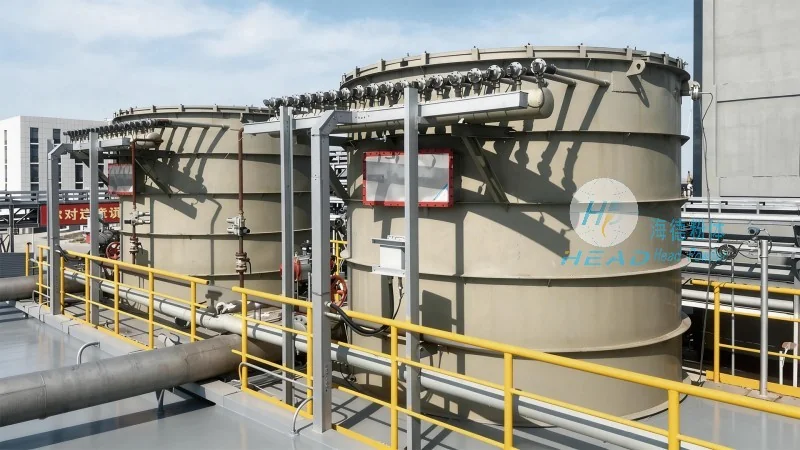
When evaluating a sodium hydroxide powder conveying line, several technical specifications and operational considerations are important. The capacity of the system, measured in tons per hour, is a key factor, as it determines the throughput of the material. The distance between the storage and processing areas also affects the choice of conveyor type and power requirements. For example, a long-distance pneumatic conveyor may require higher air pressure and more robust equipment compared to a short-distance mechanical conveyor. The system's control system is another critical aspect, as it manages the flow of material, monitors for blockages or overloads, and ensures safe operation. Modern conveying lines often include sensors and automation to enhance efficiency and safety. Additionally, the system must comply with local regulations and industry standards regarding the handling of hazardous materials, such as sodium hydroxide. This includes proper labeling, safety signage, and emergency response plans.
Conclusion and Company Overview
In summary, a sodium hydroxide powder conveying line is a sophisticated system designed to safely and efficiently transport this caustic chemical. The design principles, including material integrity preservation, dust control, and corrosion resistance, are essential for maintaining the system's performance and safety. HeadPowder, with its expertise in powder handling engineering, plays a vital role in providing reliable solutions for industrial applications. By understanding the core components and design principles, industries can ensure the safe and efficient handling of sodium hydroxide, minimizing risks and maximizing productivity. The company's commitment to quality and innovation continues to support the needs of the chemical processing sector, making it a key player in the field of powder conveying systems.




