Limestone and gypsum are essential raw materials in various industrial processes, including cement production, construction materials manufacturing, and chemical processing. Efficient and reliable powder conveying systems are crucial for transporting these materials from storage to processing units. A limestone and gypsum powder conveying line is a specialized system engineered to handle the transportation of these fine powders with precision and efficiency. This article explores the fundamental aspects of such a system, focusing on its design principles and the key components that ensure optimal performance.
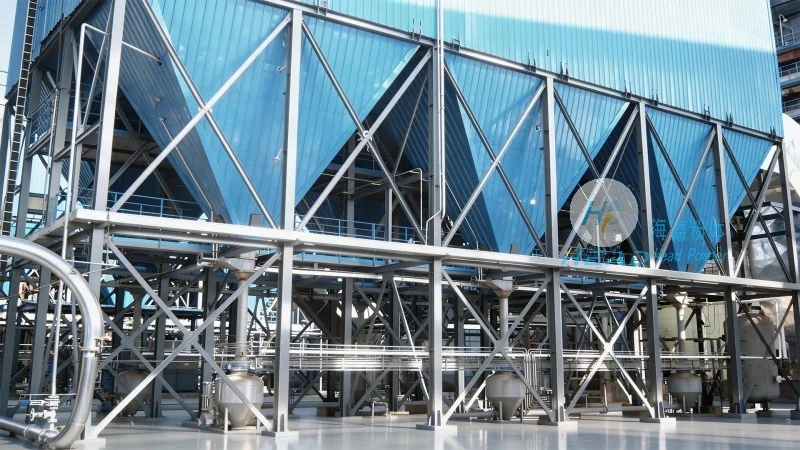
About HeadPowder: Your Trusted Partner in Powder Handling Solutions
HeadPowder, or Shandong HeadPowder Engineering Co., Ltd., is a leading manufacturer and supplier of advanced powder handling equipment. With a strong presence in China, particularly in Shandong, the company specializes in developing customized conveying solutions tailored to the unique needs of industrial clients. HeadPowder’s expertise lies in integrating cutting-edge technology with robust engineering to deliver systems that meet the highest standards of performance, safety, and durability. The company’s commitment to quality and innovation has made it a trusted name in the powder handling industry, serving a wide range of sectors that rely on consistent and efficient material transport.
Design Principles of Limestone and Gypsum Powder Conveying Lines
The design of a limestone and gypsum powder conveying line is based on several critical principles aimed at ensuring safe, efficient, and reliable operation. These principles include: material compatibility, system integration, and operational efficiency. First, the system must be constructed from materials that are resistant to corrosion and wear caused by the abrasive nature of limestone and gypsum powders. Common materials used in the construction of such lines include stainless steel, high-grade alloys, and specialized coatings that protect against chemical and mechanical stress. Second, the design emphasizes integration with existing industrial infrastructure, ensuring seamless connectivity between storage silos, processing units, and other equipment. This integration minimizes downtime and maximizes productivity by eliminating the need for manual handling or intermediate storage. Third, the system incorporates advanced control mechanisms, such as variable frequency drives (VFDs) and automated monitoring systems, to regulate flow rates, pressure, and temperature. These controls help maintain consistent material quality and prevent issues like blockages or overloading, which can lead to system failures.
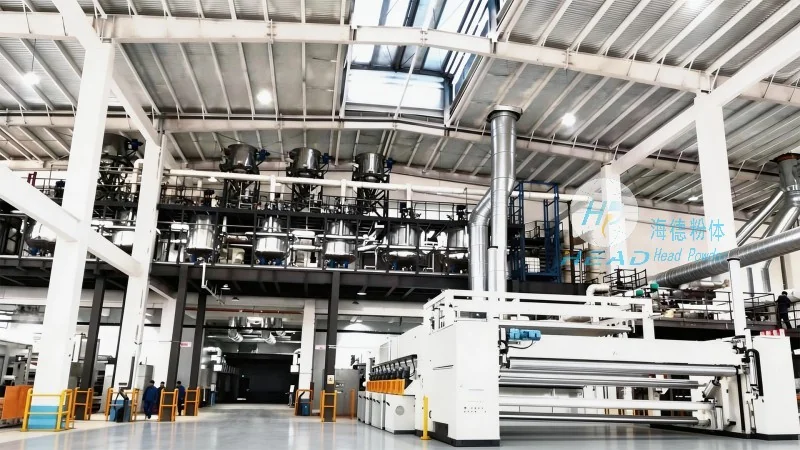
Key Components and Their Functions
A limestone and gypsum powder conveying line typically consists of several key components, each playing a vital role in the overall operation. The primary components include: storage silos, feeders, conveying equipment (such as screw conveyors, pneumatic conveyors, or bucket elevators), control panels, and safety devices. Storage silos are used to store large quantities of limestone or gypsum, providing a buffer to maintain a steady supply to the conveying system. Feeders, often equipped with adjustable speed mechanisms, regulate the flow of material from the silos into the conveying equipment, ensuring a consistent feed rate. Conveying equipment is the core of the system, responsible for transporting the powders through pipelines or vertical elevators. Screw conveyors are commonly used for horizontal or slight incline transport, while pneumatic conveyors are ideal for long-distance or vertical transport due to their ability to handle fine powders without clogging. Bucket elevators are another option, particularly for vertical transport, offering high capacity and reliability. Control panels house the electrical and electronic components that manage the system’s operation, including sensors for level, pressure, and temperature monitoring. Safety devices, such as pressure relief valves and emergency stop buttons, are integrated to protect operators and equipment from potential hazards.
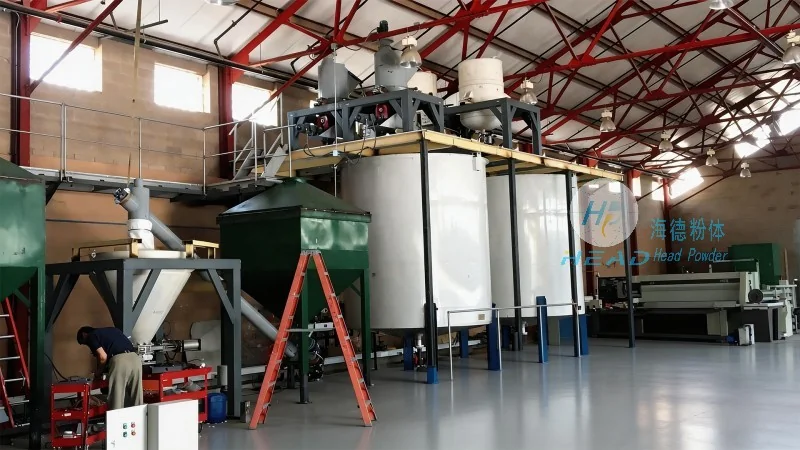
Advantages of Using a Limestone and Gypsum Powder Conveying Line
Implementing a limestone and gypsum powder conveying line offers numerous advantages for industrial operations. One of the most significant benefits is the reduction in manual labor, as the system automates the entire material transport process. This not only increases efficiency but also minimizes the risk of human error and workplace accidents. Additionally, automated systems ensure consistent material quality by maintaining uniform flow rates and preventing contamination. The integration of advanced control systems allows for real-time monitoring and adjustment, enabling operators to respond quickly to changes in production demands or material conditions. Another key advantage is the improvement in safety and environmental compliance. By eliminating the need for manual handling, the system reduces exposure to dust and other airborne particles, improving workplace safety. Furthermore, the enclosed design of the conveying line prevents dust emissions, contributing to better air quality and compliance with environmental regulations. Finally, the high efficiency and reliability of these systems lead to lower operational costs over time, as they require less maintenance and have longer service lives compared to traditional manual handling methods.
Applications and Industries
Limestone and gypsum powder conveying lines are widely used across various industries due to their versatility and reliability. In the cement industry, these systems are essential for transporting raw materials to the kilns, ensuring a steady supply of limestone and gypsum for cement production. The construction materials sector also benefits from such systems, as they help transport gypsum for wallboard manufacturing and limestone for concrete production. The chemical industry uses limestone and gypsum conveying lines to transport raw materials to processing units, where they are used in the production of various chemicals and fertilizers. Additionally, in the food and pharmaceutical industries, specialized conveying systems are used to handle limestone and gypsum powders, ensuring compliance with hygiene and safety standards. The adaptability of these systems makes them suitable for a wide range of applications, from small-scale operations to large-scale industrial plants.




