Loess material handling refers to the process of transporting and managing loess, a type of soil characterized by its fine particles and high plasticity, which is commonly found in regions like the Loess Plateau in China. This specialized field involves the design and implementation of systems to handle loess efficiently, ensuring safety, efficiency, and cost-effectiveness in various applications such as construction, mining, and environmental remediation.
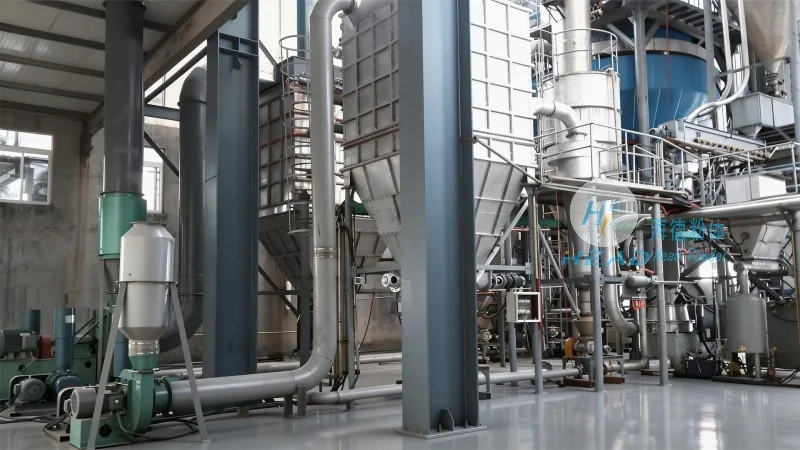
Understanding Loess Material Handling
Loess, with its unique physical properties—such as high compressibility, low shear strength, and susceptibility to erosion—requires specialized handling methods. Unlike other soil types, loess can be prone to caking and compaction, making traditional bulk material handling equipment less effective. Therefore, loess material handling systems are tailored to address these challenges, often incorporating features like moisture control, vibration, and specialized conveying mechanisms to maintain material flow and prevent blockages.
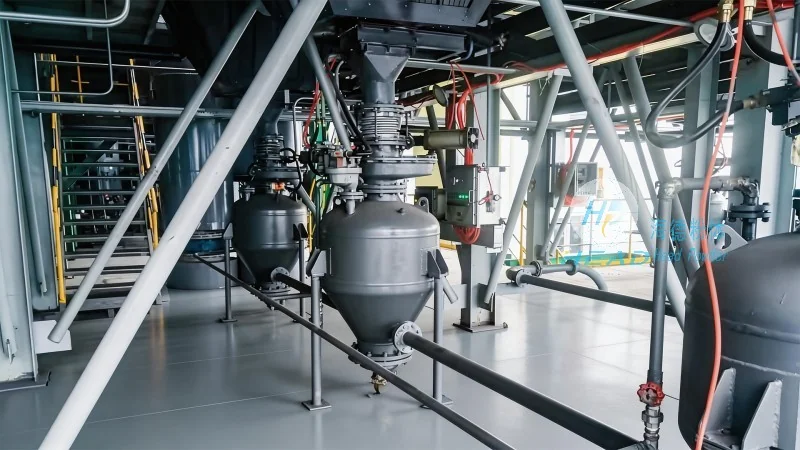
The Core Design Principles of Loess Material Handling Systems
The design of loess material handling systems is governed by several key principles aimed at optimizing performance and ensuring operational reliability. These principles include: 1. **Moisture Management**: Controlling the moisture content of loess is critical, as excessive moisture can lead to caking and reduced flowability. Systems typically incorporate moisture sensors and adjustable humidification or drying units to maintain optimal moisture levels. 2. **Vibration and Agitation**: To prevent material bridging and blockages, loess handling equipment often uses vibration or agitation mechanisms. These help break up clumps and ensure smooth material movement through conveyors, hoppers, and storage silos. 3. **Material Flow Optimization**: The design focuses on minimizing friction and ensuring uniform flow. This involves selecting appropriate conveyor types (e.g., belt conveyors, screw conveyors) and configuring hopper angles and discharge points to prevent material stagnation. 4. **Safety and Environmental Considerations**: Loess handling systems must adhere to safety standards to protect workers from dust exposure and equipment malfunctions. Additionally, environmental regulations are considered to minimize the impact of loess dust on air quality and surrounding ecosystems.
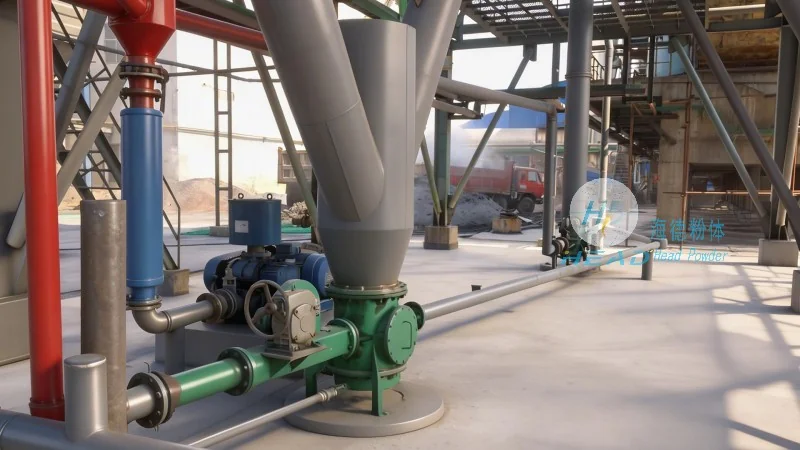
Key Components in Loess Material Handling Systems
Effective loess material handling relies on a combination of specialized equipment and components. These include: - **Feeders and Hoppers**: Hoppers are designed with sloped walls and sometimes vibratory feeders to ensure consistent material flow into conveyors. - **Conveyors**: Belt conveyors are commonly used for long-distance transport due to their efficiency and ability to handle bulk loads. Screw conveyors are suitable for vertical or horizontal transport in confined spaces. - **Dust Control Systems**: To mitigate dust emissions, systems often integrate dust collection and suppression devices, such as baghouses or wet scrubbers, to comply with environmental regulations. - **Control Systems**: Advanced control systems monitor parameters like moisture, flow rate, and vibration, allowing for real-time adjustments to maintain optimal performance.
Applications of Loess Material Handling
Loess material handling systems are widely used in various industries. In construction, loess is utilized as a building material for bricks and tiles, requiring efficient handling from extraction to processing. In mining, loess is often encountered as overburden or cover material, necessitating removal and transport. Environmental projects, such as soil remediation or land reclamation, also rely on loess handling systems to manage and restore affected areas.
Conclusion
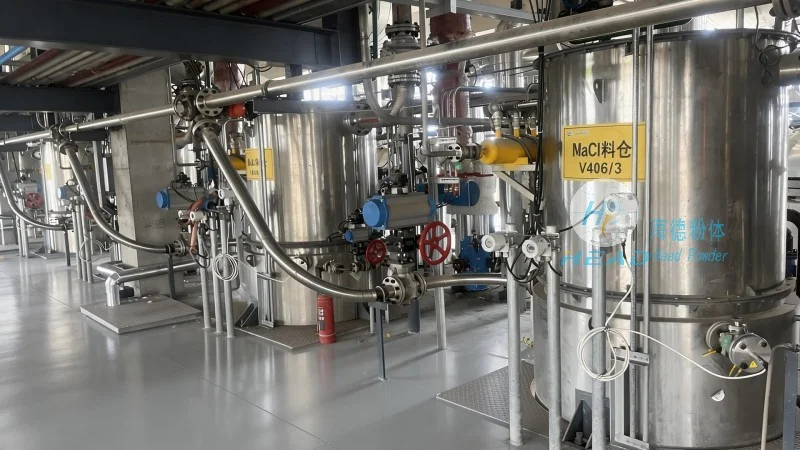
Loess material handling is a specialized field that combines engineering principles with an understanding of loess's unique properties to create efficient and reliable systems. By adhering to design principles such as moisture control, vibration, and flow optimization, companies can ensure safe and effective handling of loess. The expertise of companies like Shandong HeadPowder Engineering Co., Ltd., with its base in Shandong, China, plays a crucial role in developing and implementing these systems, catering to the diverse needs of industries that work with loess.




