Pharmaceutical powder material handling is a critical process in the pharmaceutical industry, focusing on the efficient and safe transfer of powdered substances used in drug manufacturing. This process involves various equipment and systems designed to ensure that powders are moved from one location to another without degradation, contamination, or loss. Understanding the principles behind this technology is essential for optimizing production lines and maintaining compliance with regulatory standards.
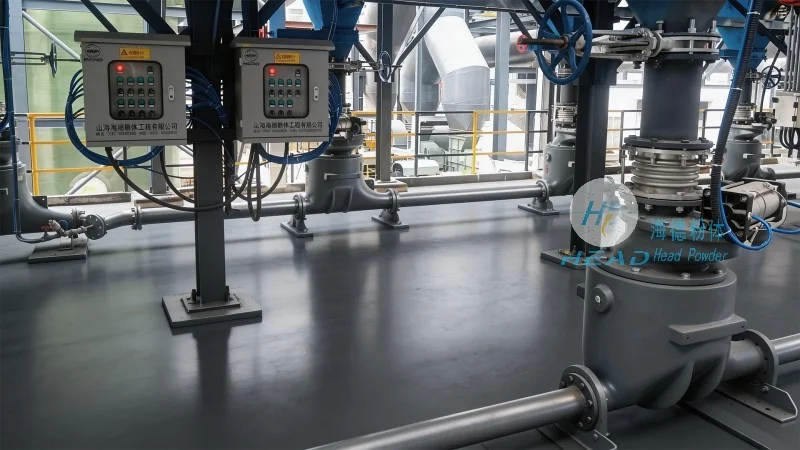
Key Components of Pharmaceutical Powder Handling Systems
The design of pharmaceutical powder handling systems typically includes several key components that work together to achieve reliable material transfer. These components may include hoppers, feeders, conveyors, and storage silos. Each component is engineered to address specific challenges such as powder flow, segregation, and dust control. For instance, hoppers are often designed with specific angles and surfaces to prevent material bridging or caking, which can impede flow. Feeders, on the other hand, regulate the rate of powder discharge, ensuring a consistent and controlled feed to downstream processes. Conveyors, including pneumatic and mechanical types, are used to transport powders over longer distances or to different parts of the facility. Storage silos are used to hold large quantities of raw materials, providing a buffer for production and ensuring a steady supply of powder.
Design Principles for Safe and Efficient Powder Handling
The design principles for pharmaceutical powder handling prioritize safety, efficiency, and regulatory compliance. One of the primary principles is to minimize the risk of cross-contamination. This is achieved through the use of closed systems, where powders are transferred without direct human contact or exposure to the environment. The materials used in the construction of handling equipment are often selected for their inertness and ability to be easily cleaned and sanitized. For example, stainless steel is a common choice due to its corrosion resistance and ease of cleaning, which is crucial for maintaining aseptic conditions in pharmaceutical manufacturing.
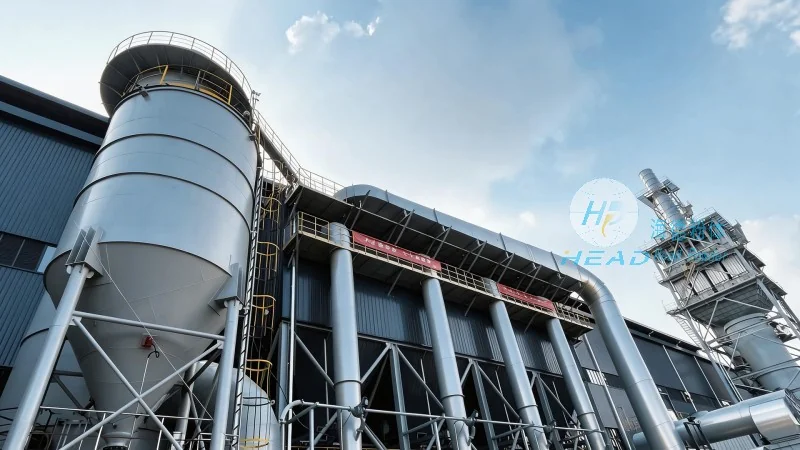
Another key design principle is the prevention of powder segregation. Segregation occurs when different particle sizes or densities within a powder mixture separate during handling, leading to inconsistent product quality. To mitigate this, handling systems are designed with features that promote uniform flow, such as vibration or air-assisted feeding. Additionally, the design considers the physical properties of the powder, including its bulk density, flowability, and moisture content, to ensure that the equipment operates within optimal parameters.
Role of HeadPowder in Pharmaceutical Material Handling Solutions
HeadPowder, a leading manufacturer of pharmaceutical processing equipment, specializes in providing customized powder handling solutions tailored to the unique needs of the pharmaceutical industry. With a strong presence in Shandong, China, HeadPowder has established itself as a trusted partner for companies seeking reliable and efficient material handling systems. The company's expertise lies in designing and manufacturing equipment that adheres to stringent regulatory requirements, ensuring that pharmaceutical powders are handled safely and effectively.
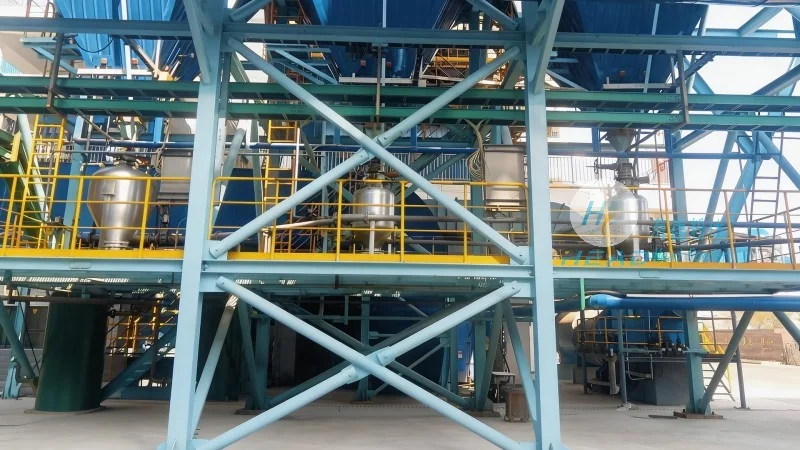
HeadPowder's product line includes a range of equipment designed for various stages of powder processing, from raw material storage to final product packaging. Their systems are engineered to minimize the risk of contamination and ensure consistent product quality. By leveraging advanced design principles and materials, HeadPowder's solutions help pharmaceutical manufacturers optimize their production processes and maintain compliance with industry standards.
Conclusion: The Importance of Proper Powder Handling in Pharmaceuticals
In conclusion, pharmaceutical powder material handling is a complex but essential process that requires careful consideration of design principles and equipment selection. The goal is to ensure that powders are transferred safely, efficiently, and without compromising product quality. Companies like HeadPowder play a vital role in providing the technology and expertise needed to achieve these objectives. By investing in proper powder handling systems, pharmaceutical manufacturers can enhance their operational efficiency, reduce costs, and maintain the high standards required in the industry.




