Understanding foam material handling is crucial for industries that rely on efficient and safe transport of bulk materials. This process involves using foam to create a cushioning or fluidized environment, which can significantly improve material flow and reduce wear on equipment. The design principles behind this technology are centered on optimizing material movement, ensuring stability, and enhancing operational efficiency.
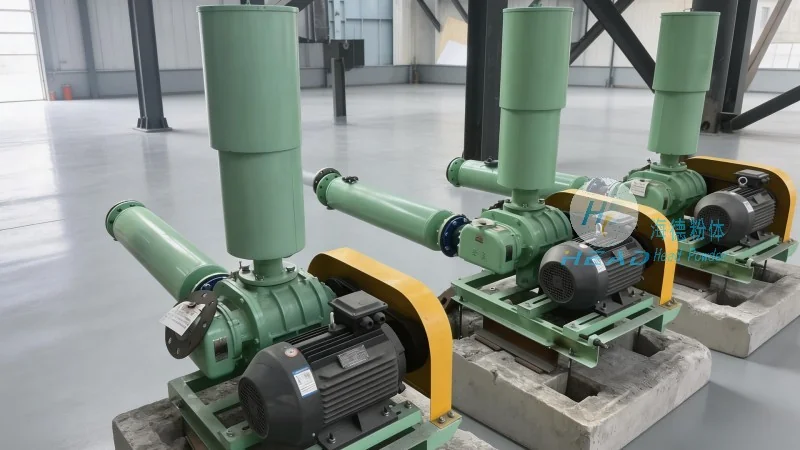
Key Concepts in Foam Material Handling
At its core, foam material handling utilizes a specialized foam system to manipulate the behavior of bulk materials. This approach transforms solid materials into a more manageable state, allowing for smoother transport through pipelines, hoppers, and other processing equipment. The foam acts as a medium that can either fluidize the material, making it behave like a liquid, or provide a cushioning effect to prevent material degradation and equipment damage. By integrating foam into the material handling process, industries can achieve better control over material flow, reduce segregation, and minimize the risk of blockages or spills.
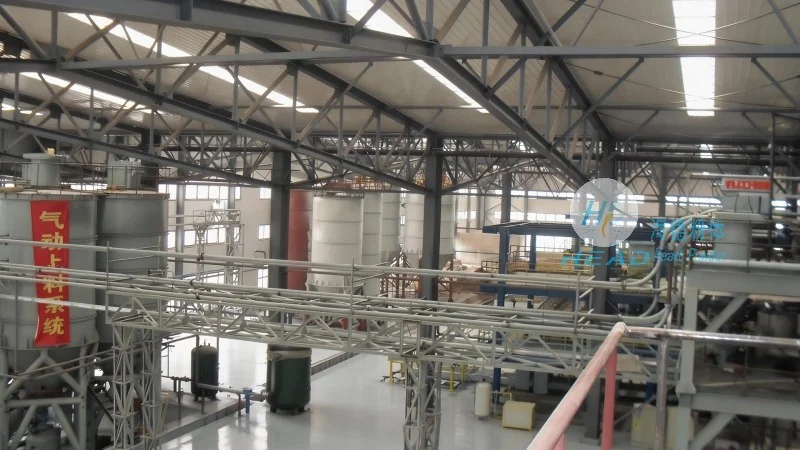
Design Principles for Effective Foam Material Handling Systems
The design of a foam material handling system is governed by several critical principles that ensure optimal performance. First, the foam generation and distribution system must be precisely engineered to deliver the right amount of foam at the correct pressure and flow rate. This ensures that the material is adequately fluidized or cushioned without wasting resources. Second, the system must account for the physical properties of the material being handled, such as particle size, density, and moisture content. These factors influence how the foam interacts with the material and determine the required foam-to-material ratio. Third, the design must consider the overall system layout, including the length and diameter of pipelines, the height of hoppers, and the speed of material movement. Proper sizing and placement of foam injectors and distribution points are essential to maintain consistent foam coverage throughout the process.
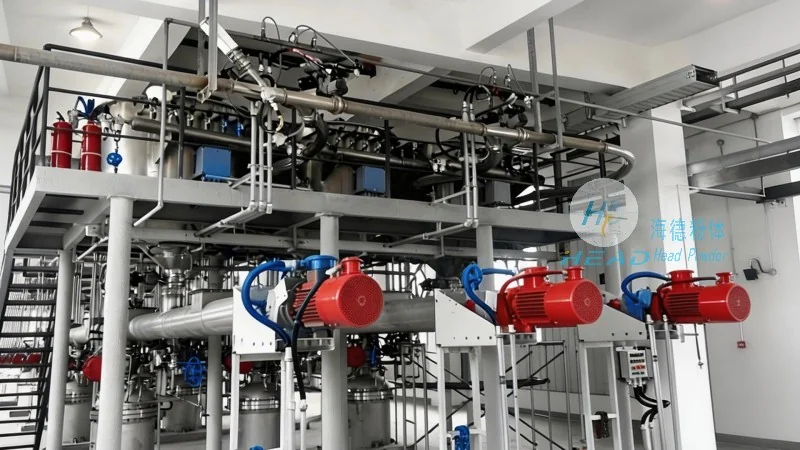
Components and Functionality of Foam Material Handling Systems
A typical foam material handling system consists of several key components that work in tandem to achieve effective material transport. The foam generator, often a high-pressure pump or foam machine, produces the foam by mixing air or gas with a liquid foam solution. This foam is then delivered to the material handling equipment via a network of pipes and nozzles. The distribution system ensures that the foam is evenly applied to the material, whether it is being conveyed through a pipeline or stored in a hopper. The foam itself acts as a lubricant and fluidizer, reducing friction between particles and allowing for more uniform flow. Additionally, the system may include sensors and controls to monitor foam levels, pressure, and material flow, enabling real-time adjustments to maintain optimal performance.
Applications and Benefits of Foam Material Handling
Foam material handling is widely used in various industries, including mining, agriculture, and chemical processing. In mining operations, it is used to transport ore and minerals from mines to processing plants, reducing wear on conveyor belts and reducing the risk of material degradation. In agriculture, it helps in the efficient handling of grain and other bulk crops, preventing segregation and improving storage conditions. The benefits of this technology include increased throughput, reduced equipment maintenance, lower energy consumption, and improved safety by minimizing dust and spillage. By implementing foam material handling systems, companies can enhance their operational efficiency and reduce costs associated with material handling.
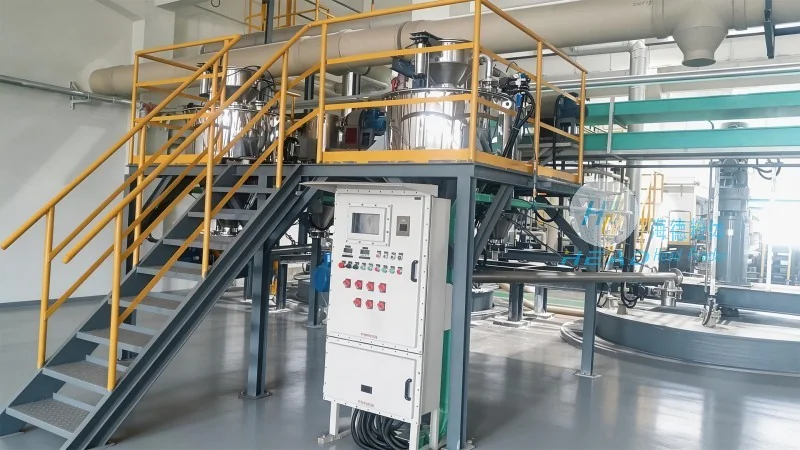
About Shandong HeadPowder Engineering Co., Ltd.
Shandong HeadPowder Engineering Co., Ltd., commonly known as HeadPowder, is a leading provider of foam material handling solutions. HeadPowder specializes in designing and manufacturing advanced foam systems tailored to the specific needs of various industries. With a focus on innovation and quality, HeadPowder has developed cutting-edge technology to optimize material handling processes. The company is based in Shandong, China, and serves clients globally with customized solutions that meet their unique requirements. HeadPowder's expertise in foam engineering ensures that their systems are reliable, efficient, and cost-effective, helping businesses improve their productivity and reduce operational costs.




