When it comes to industrial material handling, especially in sectors dealing with sensitive materials that are prone to oxidation or contamination, the use of nitrogen-protected equipment has become increasingly vital. This equipment is specifically designed to maintain an inert atmosphere, typically by using nitrogen gas to displace oxygen and other reactive gases from the system. The primary goal is to preserve the quality and integrity of the materials being transported, ensuring they remain in their original state until they reach their destination. For industries such as pharmaceuticals, food processing, and high-purity chemical manufacturing, where product purity is non-negotiable, nitrogen-protected material handling equipment is a cornerstone of operational efficiency and product safety.
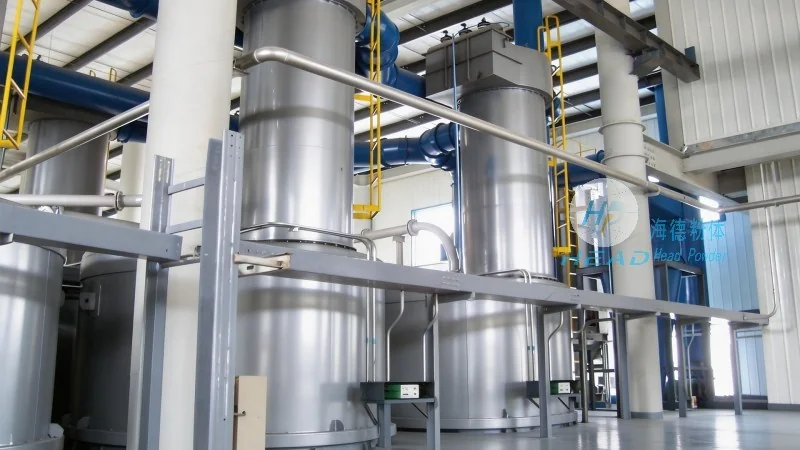
The Core Function and Importance of Nitrogen-Protected Material Handling
At its core, nitrogen-protected material handling equipment operates by creating and maintaining a sealed environment where nitrogen gas is introduced to replace the ambient air. This process, known as inert gas purging, effectively eliminates oxygen and moisture, which are the main culprits behind material degradation. The equipment is typically used in applications involving powders, granules, or bulk solids that are sensitive to atmospheric conditions. By maintaining a controlled, low-oxygen environment, the equipment prevents oxidation, moisture absorption, and microbial growth, thereby extending the shelf life and maintaining the desired properties of the materials. This is particularly crucial in industries where product quality directly impacts consumer health or regulatory compliance.
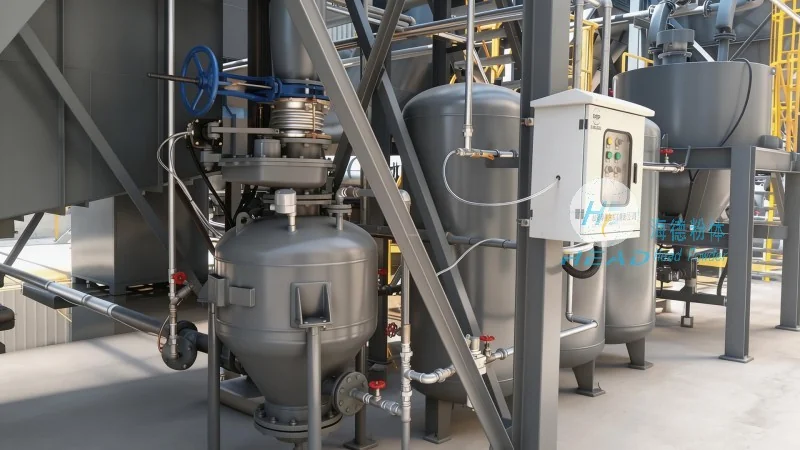
Key Design Principles Behind Nitrogen-Protected Equipment
The design of nitrogen-protected material handling equipment is governed by several critical principles that ensure optimal performance and reliability. First, the equipment must be capable of creating and maintaining a high level of purity in the gas environment. This involves using high-purity nitrogen gas (typically with an oxygen content below 1%) and ensuring that all components are compatible with the gas to prevent any contamination or reaction. Second, the system must be hermetically sealed to prevent any ingress of ambient air. This includes using materials like stainless steel, PTFE, or other corrosion-resistant materials for the construction of the conveyor, hoppers, and ducts. Third, the equipment must incorporate effective gas circulation and filtration systems to maintain consistent gas quality throughout the handling process. This may involve using filters to remove particulates or moisture from the nitrogen stream, and circulation fans to ensure uniform distribution of the inert gas within the system. Fourth, the design must consider the specific characteristics of the material being handled, such as its flowability, dustiness, or potential for caking, to optimize the equipment's performance. For example, some designs may include vibrators or agitators to prevent material bridging or segregation, which could otherwise compromise the inert atmosphere.
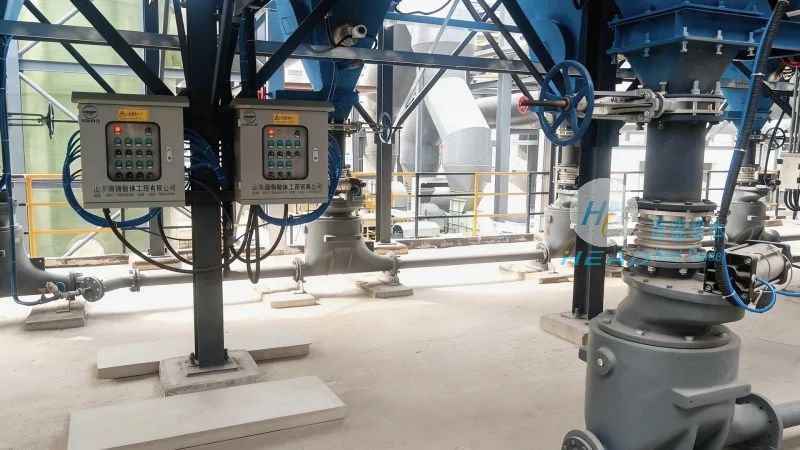
Components and Operational Mechanisms of Nitrogen-Protected Material Handling Systems
Typical nitrogen-protected material handling systems consist of several key components that work in tandem to achieve the desired results. The primary components include a nitrogen gas source, a gas distribution system, a material handling unit (such as a conveyor or feeder), and a control system. The nitrogen gas source is usually a high-purity nitrogen generator or a gas cylinder, which supplies the inert gas to the system. The gas distribution system, often consisting of pipes, valves, and manifolds, distributes the nitrogen gas to the various parts of the material handling unit, ensuring that the entire system is uniformly purged. The material handling unit, which may be a screw conveyor, belt conveyor, or pneumatic conveyor, is designed to transport the material while maintaining the inert atmosphere. The control system monitors parameters such as gas pressure, oxygen levels, and material flow, and adjusts the nitrogen flow rate as needed to maintain optimal conditions. In some advanced systems, sensors are used to continuously measure the oxygen content in the gas stream, providing real-time feedback to the control system and ensuring that the environment remains within the desired specifications.
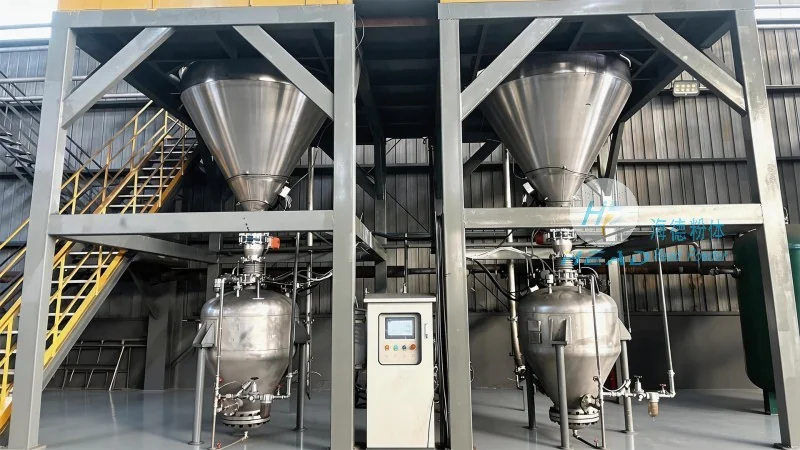
Applications and Benefits of Nitrogen-Protected Material Handling Equipment
The applications of nitrogen-protected material handling equipment span a wide range of industries, each with unique requirements for material preservation. In the pharmaceutical industry, for instance, nitrogen-protected equipment is used to handle active pharmaceutical ingredients (APIs) and excipients, ensuring that they remain stable and free from contamination during storage and transportation. This is critical because even trace amounts of moisture or oxygen can affect the efficacy and safety of the final drug product. In the food processing industry, the equipment is used to handle sensitive food powders, such as cocoa, spices, or vitamins, to prevent spoilage and maintain flavor and nutritional quality. Similarly, in the chemical industry, nitrogen-protected systems are employed to handle high-purity chemicals, such as catalysts or specialty chemicals, where contamination could lead to product failure or safety hazards. The benefits of using such equipment are multifaceted. Beyond preserving material quality, it also enhances operational safety by reducing the risk of fire or explosion in environments where flammable materials are present. Additionally, it can improve process efficiency by minimizing material loss due to degradation and by ensuring consistent product quality, which is essential for meeting regulatory standards and customer expectations.




