What is a Sintered Dust Removal Ash Material Handling System? And What Are Its Design Principles?
Release time:2026-09-15 22:01:15
name of the company:Shandong Headpowder Engineering Co., Ltd.
telephone:156-6277-7102
contacts:Zhang manager
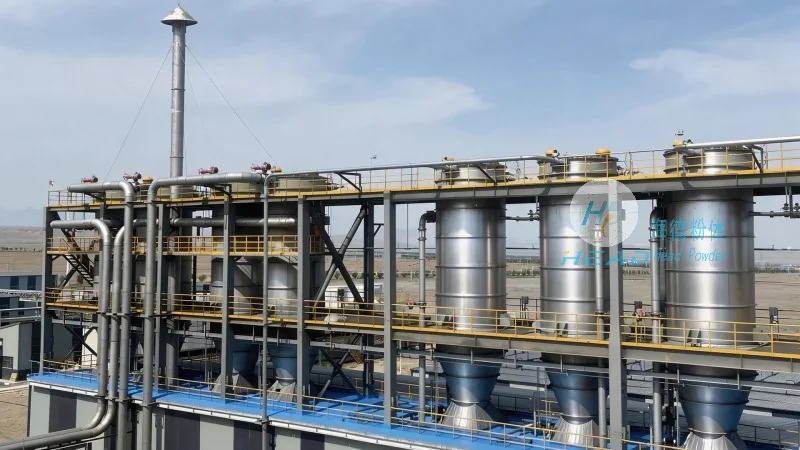
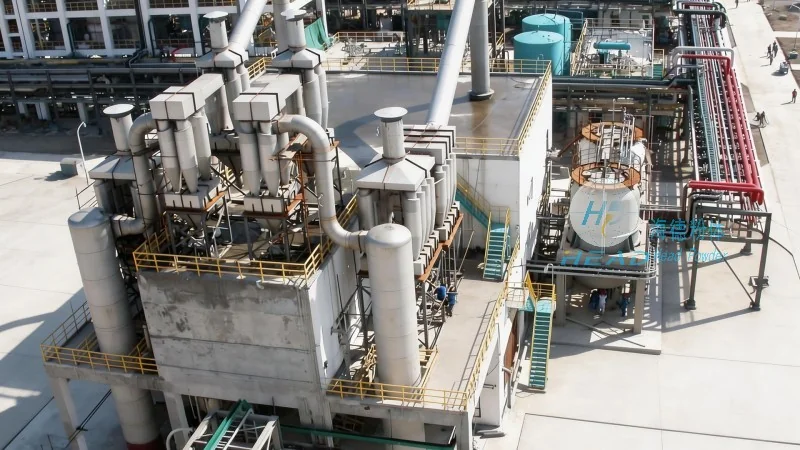
Sintered dust removal ash, also known as sintered fly ash or sintered dust, is a byproduct generated during the sintering process in the iron and steel industry. This material, rich in valuable minerals and potential for reuse, requires efficient handling and transportation to optimize resource utilization and reduce environmental impact. A specialized material handling system is essential for managing this material safely and effectively. This article explores the concept of a sintered dust removal ash material handling system and delves into its core design principles, highlighting the technical aspects and operational considerations that define such systems.
About HeadPowder Engineering Co., Ltd.
HeadPowder, or Shandong HeadPowder Engineering Co., Ltd., is a leading engineering firm based in Shandong, China. With a strong focus on industrial material handling solutions, the company specializes in designing and manufacturing systems tailored to the unique needs of the iron and steel sector. HeadPowder’s expertise lies in integrating advanced technology with practical engineering to deliver reliable, efficient, and cost-effective solutions for handling sintered dust removal ash and other industrial materials. The company’s commitment to quality and innovation has established it as a trusted partner for clients seeking to enhance their material handling processes.
Key Components of a Sintered Dust Removal Ash Material Handling System
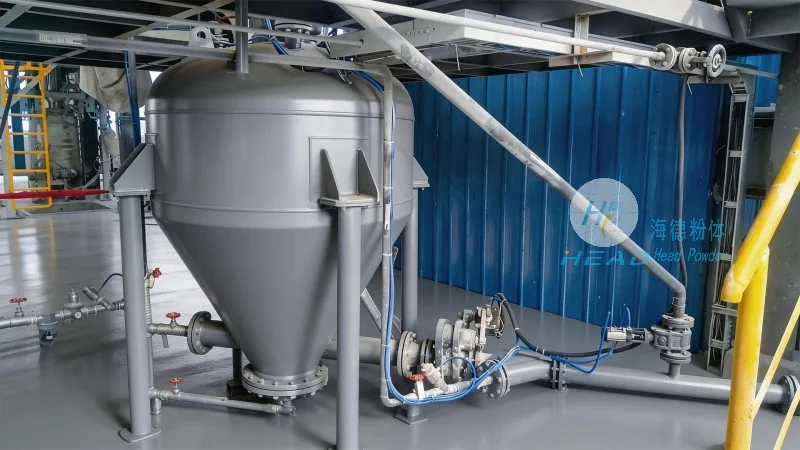
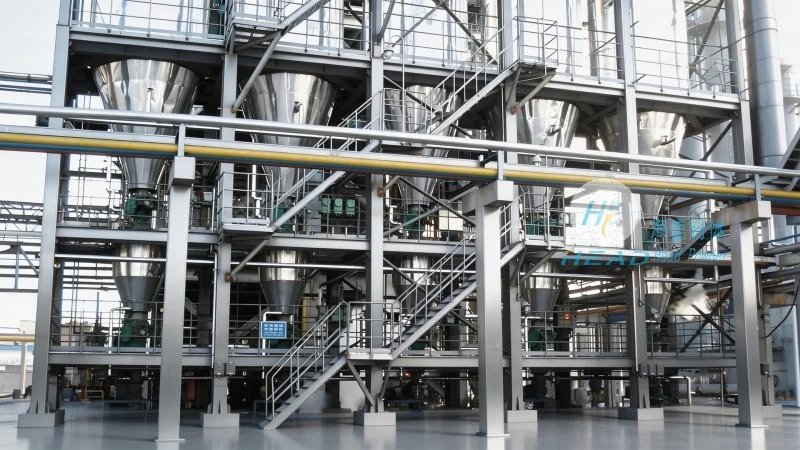
The sintered dust removal ash material handling system typically consists of several interconnected components that work in harmony to transport the material from its source to its destination. These components include: feeders, conveyors, storage silos, and control systems. Each component plays a critical role in ensuring the smooth and safe operation of the entire system. Feeders, such as rotary valves or vibratory feeders, are responsible for uniformly feeding the sintered dust into the conveyor system, ensuring a consistent flow rate. Conveyors, commonly in the form of belt conveyors or chain conveyors, transport the material over long distances with minimal loss. Belt conveyors are preferred for their high load capacity and ability to handle abrasive materials, while chain conveyors are suitable for vertical or inclined transport. Storage silos, made of steel or concrete, provide temporary storage, allowing for batch processing and inventory management. The silos are equipped with discharge valves and level sensors to monitor the material level and control the discharge rate. Control systems, typically based on PLC (Programmable Logic Controller) technology, monitor and regulate the flow of material, ensuring optimal performance and safety. These systems include sensors for detecting material presence, speed controllers for adjusting conveyor speed, and alarms for abnormal conditions.




