PP material handling equipment plays a crucial role in modern industrial operations, particularly in the processing and transportation of polypropylene (PP) materials. These specialized systems are engineered to efficiently manage the flow of PP-based products, ensuring smooth and reliable material transfer across various production stages. Understanding the design principles behind such equipment is essential for optimizing performance, enhancing safety, and maximizing operational efficiency in industrial settings.
Introduction to PP Material Handling Equipment
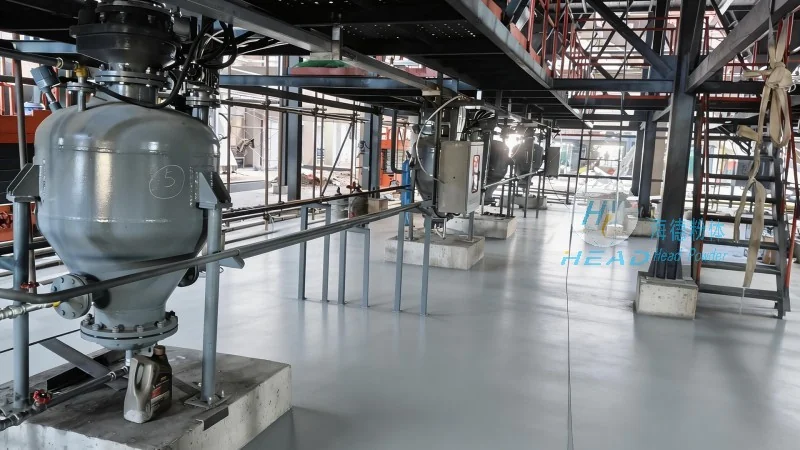
PP material handling equipment encompasses a range of machinery and systems designed to handle, transport, and process polypropylene materials. These devices are integral to industries such as plastics manufacturing, packaging, and chemical processing, where the efficient movement of PP-based products is critical to overall productivity. The design of these equipment pieces focuses on durability, adaptability, and compatibility with the unique properties of PP, including its lightweight nature, chemical resistance, and flexibility.
HeadPowder: A Leading Provider of PP Material Handling Solutions
HeadPowder, or Shandong HeadPowder Engineering Co., Ltd., is a prominent manufacturer specializing in the design and production of PP material handling equipment. With a strong presence in the industry, HeadPowder has established itself as a trusted partner for businesses seeking reliable and efficient solutions for their PP material handling needs. The company is headquartered in Shandong, China, and has built a reputation for delivering high-quality equipment that meets the stringent demands of modern industrial applications.
Key Design Principles of PP Material Handling Equipment
The design of PP material handling equipment is guided by several fundamental principles aimed at optimizing performance and ensuring safety. One of the primary considerations is the material's physical properties, such as its density, melt flow index, and resistance to abrasion. Engineers design equipment with components made from materials that can withstand the unique challenges posed by PP, such as wear-resistant coatings and robust structural designs. Additionally, the equipment is engineered to handle the varying sizes and shapes of PP products, ensuring consistent and reliable material flow.
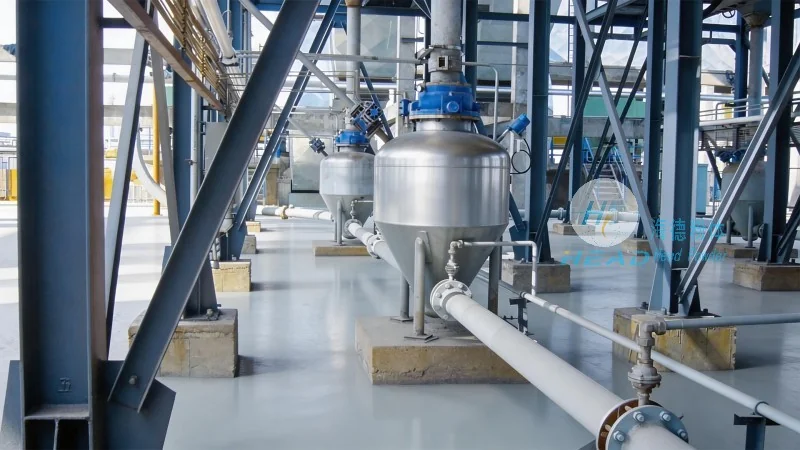
Another critical design principle is the integration of advanced control systems and automation features. Modern PP material handling equipment often incorporates sensors, variable frequency drives, and programmable logic controllers (PLCs) to monitor and regulate the material flow. This automation enhances precision, reduces human error, and allows for real-time adjustments to optimize throughput and minimize downtime. The design also emphasizes energy efficiency, with features like variable speed drives and optimized motor selections to reduce operational costs.
Components and Functionalities of PP Material Handling Equipment
PP material handling equipment typically consists of several key components that work in tandem to achieve efficient material transfer. These components include feeders, conveyors, elevators, and sorting mechanisms, each designed to handle specific aspects of the material handling process. Feeders are responsible for uniformly distributing PP materials into the system, while conveyors transport the materials horizontally or vertically over long distances. Elevators are used to lift materials to higher levels, and sorting mechanisms separate different types or sizes of PP products based on predefined criteria.
The functionality of these components is tailored to the specific requirements of PP materials. For example, conveyor belts may be made from materials that resist the chemical properties of PP, such as polyurethane or rubber, to prevent degradation and ensure longevity. The design also considers the need for easy maintenance and cleaning, as PP materials can sometimes adhere to equipment surfaces. This includes features like removable components and easy-to-clean surfaces to maintain hygiene and operational efficiency.
Applications and Benefits of PP Material Handling Equipment
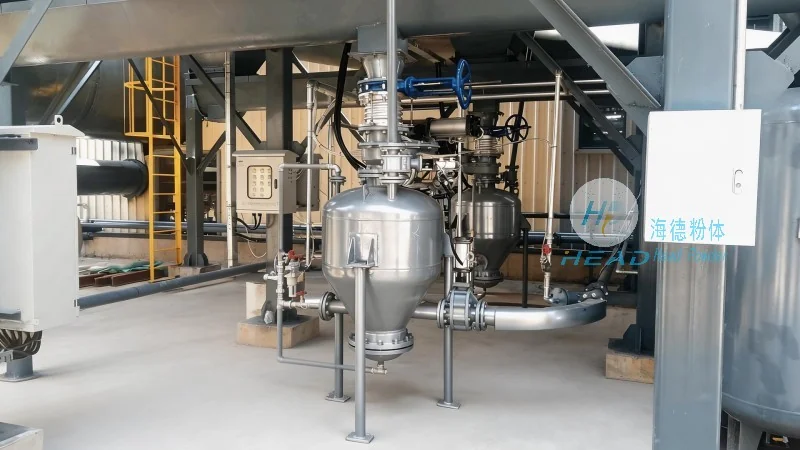
PP material handling equipment is widely used in various industrial applications, including the manufacturing of plastic products, packaging, and chemical processing. In the plastics industry, these systems are essential for transporting raw PP pellets or granules from storage to processing machines, ensuring a continuous and uninterrupted supply of materials. In packaging, PP material handling equipment is used to move finished products or packaging materials through assembly lines, improving production speed and reducing labor costs.
The benefits of using PP material handling equipment extend beyond mere efficiency. These systems enhance safety by reducing the need for manual handling of heavy or bulky PP materials, minimizing the risk of workplace injuries. They also improve product quality by ensuring consistent material flow, which reduces the likelihood of defects or contamination. Furthermore, the automation and control features of modern equipment help in maintaining precise temperature and pressure conditions, which are critical for the processing of PP materials.
Conclusion: The Importance of Advanced PP Material Handling Equipment
In conclusion, PP material handling equipment is a vital component of modern industrial operations, and understanding its design principles is crucial for optimizing performance and efficiency. Companies like HeadPowder play a significant role in providing high-quality equipment that meets the evolving needs of the industry. By adhering to fundamental design principles such as durability, adaptability, and automation, these systems ensure reliable and safe material transfer, contributing to overall operational success. As industries continue to evolve, the importance of advanced PP material handling equipment will only grow, making it an essential investment for businesses seeking to enhance their productivity and competitiveness.




