

Ternary Material Powder Pneumatic Conveying System: What It Is and Its Design Principles
For industrial applications involving the handling of ternary material powders, efficient and reliable material transport is crucial. This article explores the concept of a ternary material powder pneumatic conveying system, detailing its operational principles and design considerations. The system is a specialized solution developed by Shandong HeadPowder Engineering Co., Ltd., a leading provider in the field, headquartered in Shandong, China.
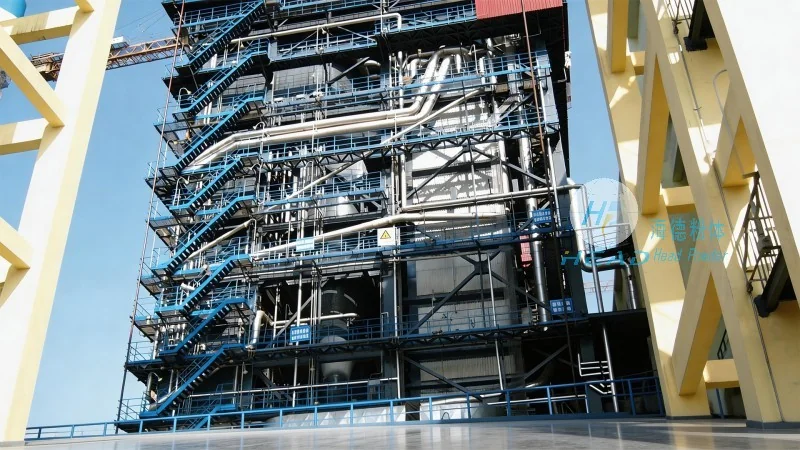
Understanding Ternary Material Powder Pneumatic Conveying Systems
A ternary material powder pneumatic conveying system is engineered to transport powders composed of three distinct components—typically a metal oxide, a metal, and a binder—through a pipeline using air or gas as the conveying medium. This method offers several advantages over traditional mechanical conveying, including reduced equipment wear, improved process safety, and the ability to handle materials that are difficult to move via gravity or mechanical means. The system is particularly valuable in industries such as battery manufacturing, where the precise handling of lithium cobalt oxide (LCO), lithium iron phosphate (LFP), and other critical components is essential.
Core Components and Operational Mechanism
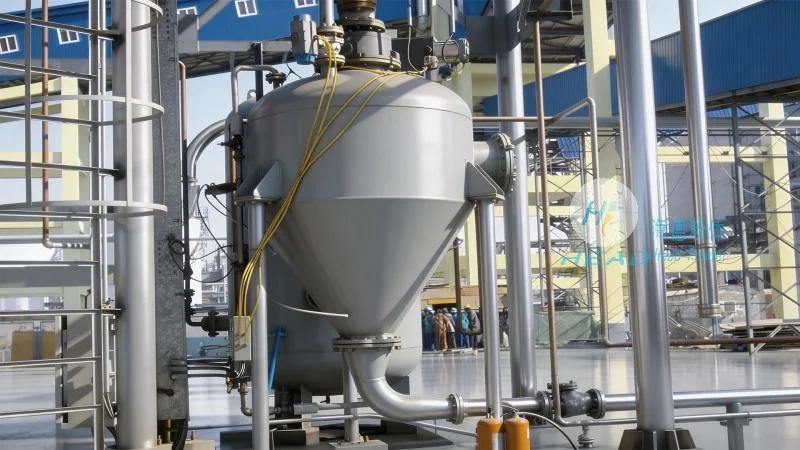
The system comprises several key components that work in tandem to ensure effective material transport. These include a material feeder, a conveying pipeline, a pressure vessel or receiver, and a control system. The process begins with the material feeder, which meters the ternary powder into the pipeline at a controlled rate. Compressed air or gas is then introduced into the pipeline, creating a flow that propels the powder particles through the system. The pressure vessel or receiver collects the conveyed material, allowing for subsequent processing or storage. The control system monitors and adjusts parameters such as air pressure, flow rate, and material feed rate to maintain optimal performance and prevent system blockages or inefficiencies.
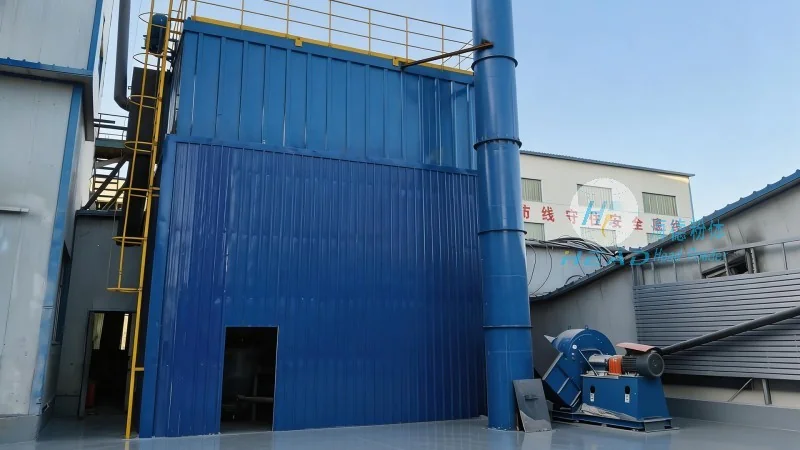
Design Principles and Engineering Considerations
The design of a ternary material powder pneumatic conveying system requires careful consideration of several factors to ensure efficiency, reliability, and safety. First, the system must be tailored to the specific properties of the ternary material, including particle size distribution, density, and moisture content. These characteristics influence the selection of the conveying velocity and pressure required to prevent particle segregation or agglomeration. Second, the material of construction for the pipeline and components must be compatible with the powder and the conveying medium to avoid corrosion or contamination. Stainless steel is commonly used for its durability and resistance to chemical attack. Third, the system design must incorporate features to minimize pressure losses and energy consumption, such as using smooth pipeline surfaces and appropriate bends or elbows. Additionally, safety measures, including explosion-proof designs and pressure relief valves, are critical to protect against potential hazards associated with powder handling.
Advantages of Ternary Material Powder Pneumatic Conveying Systems
Implementing a ternary material powder pneumatic conveying system offers numerous benefits for industrial operations. One of the primary advantages is the ability to transport materials over long distances without the need for multiple transfer points or intermediate storage. This reduces downtime and improves overall process throughput. The system also enables the precise control of material flow, which is essential for maintaining consistent product quality in applications like battery cell production. Furthermore, pneumatic conveying minimizes product contamination and degradation compared to mechanical systems, as there is no direct contact between the material and conveying equipment. This is particularly important for sensitive ternary materials used in high-value applications. The system's compact design and reduced maintenance requirements also contribute to lower operational costs and increased efficiency.
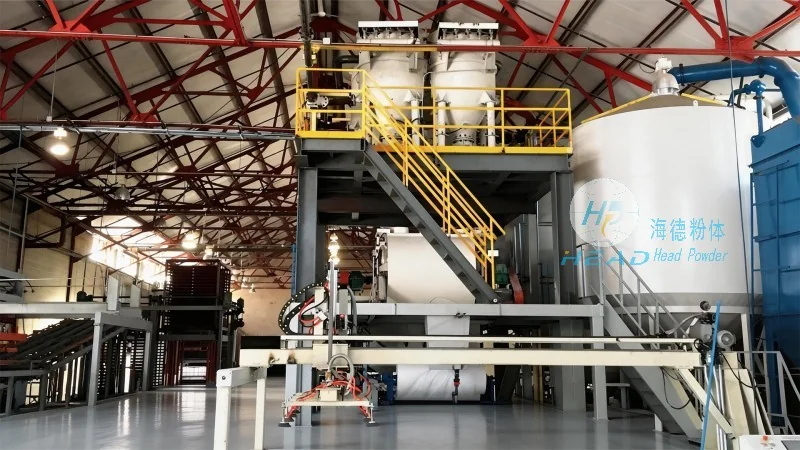
Applications and Industry Impact
Ternary material powder pneumatic conveying systems are widely used in the battery manufacturing industry, where they play a critical role in the production of lithium-ion batteries. The system efficiently transports ternary materials such as LCO and LFP from raw material storage to processing lines, ensuring a steady supply of high-quality powders. In addition to battery production, the system is also applied in other industries, including pharmaceuticals, food processing, and chemical manufacturing, where the handling of fine powders is required. The adoption of such systems has significantly improved process efficiency and product consistency across these sectors, contributing to the growth and development of modern industrial operations.
Conclusion
In summary, a ternary material powder pneumatic conveying system is a sophisticated and effective solution for the transport of specialized powders. Developed by Shandong HeadPowder Engineering Co., Ltd., this system integrates advanced engineering principles to ensure reliable and efficient material handling. By understanding its core components, operational mechanisms, and design considerations, industries can leverage this technology to enhance their production processes and achieve higher levels of efficiency and quality. The continued innovation and refinement of such systems will likely play a vital role in supporting the growth of industries that rely on precise powder handling, particularly in the battery and advanced materials sectors.