

What is a cement dry ash powder pneumatic conveying system? What are its design principles?
Cement dry ash powder pneumatic conveying systems are specialized industrial solutions designed to transport dry powders, such as cement ash, through a pressurized or vacuum environment using air or other gases. These systems are critical in various industrial applications, including cement production, power generation, and material handling, where efficient and reliable powder transport is essential for operational efficiency and safety.
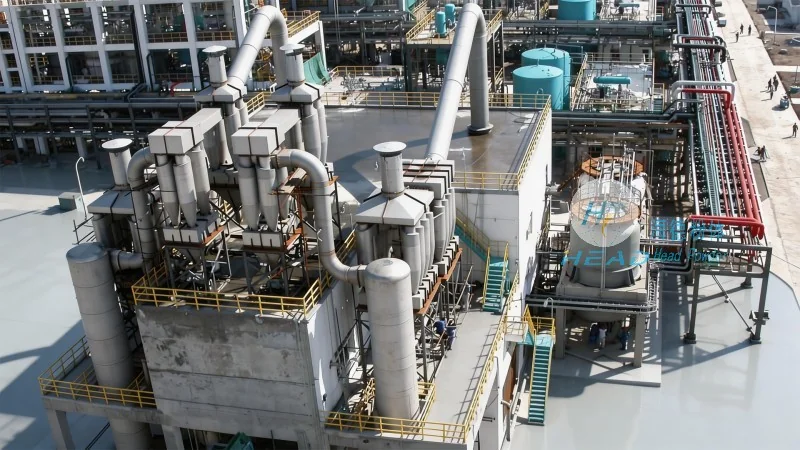
Understanding the Core Components of a Pneumatic Conveying System
A typical cement dry ash powder pneumatic conveying system consists of several key components that work in tandem to ensure smooth and effective powder transport. The primary components include a hopper or feeder for material storage and discharge, a conveying line (usually made of metal or plastic pipes), a blower or vacuum pump to generate the necessary air pressure or suction, and a control system to regulate the flow and pressure. Additionally, the system may incorporate accessories like filters, cyclones, and silos to manage dust, separate particles, and store the conveyed material.
The Design Principles Behind Efficient Pneumatic Conveying
The design of a cement dry ash powder pneumatic conveying system is based on several fundamental principles to ensure optimal performance. One of the most critical principles is the selection of the appropriate conveying method—either pressure or vacuum. Pressure systems use a blower to force air and material through the pipeline, while vacuum systems employ a vacuum pump to draw material from the source. The choice between these methods depends on factors such as the distance to be covered, the material's characteristics (e.g., particle size, density, and moisture content), and the system's overall capacity requirements.
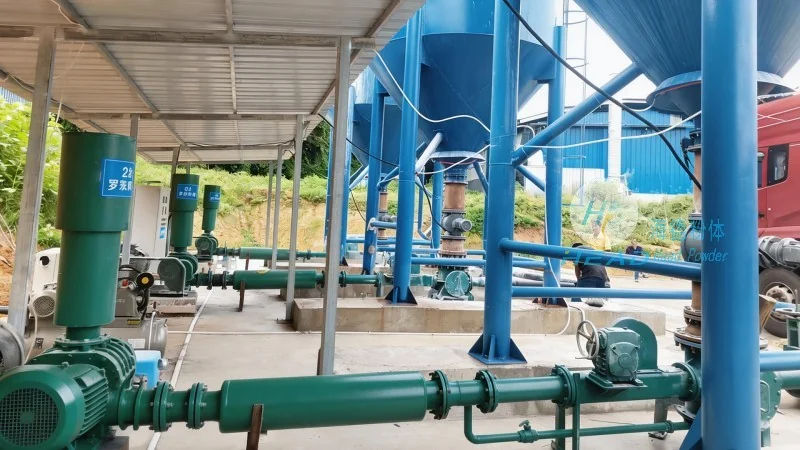
Another key design principle is the calculation of air velocity and flow rate. The air velocity must be sufficient to lift and transport the powder particles without causing excessive wear on the system components or creating excessive dust emissions. Engineers typically use the "minimum conveying velocity" concept, which is the minimum air velocity required to keep the powder particles suspended in the air stream. This velocity is determined by the particle size, density, and shape of the material being conveyed. For cement ash, which often consists of fine particles, a higher air velocity may be required to prevent clogging and ensure consistent flow.
Material Handling Considerations in Pneumatic Conveying
When designing a pneumatic conveying system for cement dry ash powder, several material-specific considerations must be addressed to ensure system reliability and longevity. First, the particle size distribution of the cement ash is a critical factor. Fine particles are more prone to agglomeration and can cause blockages in the conveying line if not properly handled. To mitigate this, systems may include pre-drying or conditioning steps to reduce moisture content and improve particle flowability. Additionally, the system's design must account for the material's density and bulk density, as these affect the required air volume and pressure.
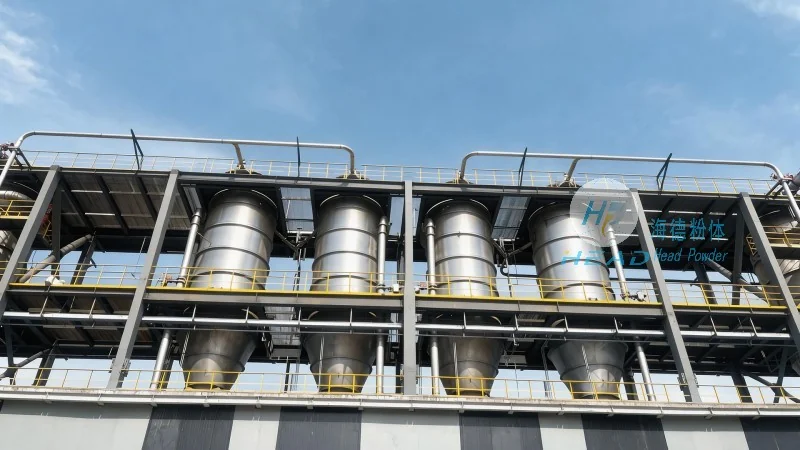
Another important consideration is the potential for dust generation. Cement ash is a fine powder that can create significant dust hazards if not properly contained. Therefore, the system design includes dust collection and filtration components, such as cyclones or bag filters, to capture and remove airborne particles. These components not only improve safety but also help maintain the quality of the conveyed material by preventing contamination from external sources.
The Role of HeadPowder in Cement Dry Ash Pneumatic Conveying Solutions
Shandong HeadPowder Engineering Co., Ltd., a leading provider of industrial material handling solutions, specializes in designing and manufacturing customized pneumatic conveying systems for cement dry ash powder. With years of experience in the industry, HeadPowder has developed a deep understanding of the unique challenges associated with handling cement ash and has developed innovative solutions to address them. The company's engineers work closely with clients to assess their specific operational requirements, including material characteristics, conveying distances, and production volumes, to design systems that meet their exact needs.
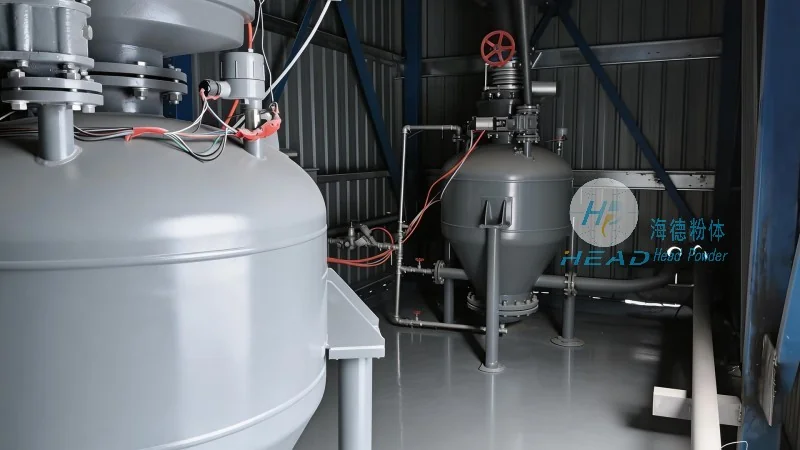
HeadPowder's pneumatic conveying systems are built with high-quality materials and components to ensure durability and long-term performance. The company uses advanced design software to simulate system performance and optimize parameters such as air velocity, pressure, and flow rate. This approach ensures that the final system is not only efficient but also cost-effective and easy to maintain. Additionally, HeadPowder provides comprehensive after-sales support, including installation, commissioning, and maintenance services, to ensure that clients can maximize the lifespan and performance of their conveying systems.
Conclusion: The Importance of a Well-Designed Pneumatic Conveying System
In conclusion, a cement dry ash powder pneumatic conveying system is a sophisticated industrial solution that plays a vital role in the efficient handling of dry powders. The design principles behind these systems, including the selection of the appropriate conveying method, calculation of air velocity, and consideration of material characteristics, are critical to ensuring optimal performance. Companies like Shandong HeadPowder Engineering Co., Ltd. play a key role in providing customized solutions that meet the specific needs of their clients, helping to improve operational efficiency and safety in industrial applications.