

What is an Alumina Crystal Powder Pneumatic Conveying System? What are its Design Principles?
For industrial applications involving the transport of fine powders like alumina crystals, efficient and reliable material handling is crucial. A pneumatic conveying system offers a solution that minimizes contamination, reduces labor costs, and enhances process safety. This article explores the fundamentals of an alumina crystal powder pneumatic conveying system, focusing on its design principles and operational advantages.
Understanding the Core Components of the System
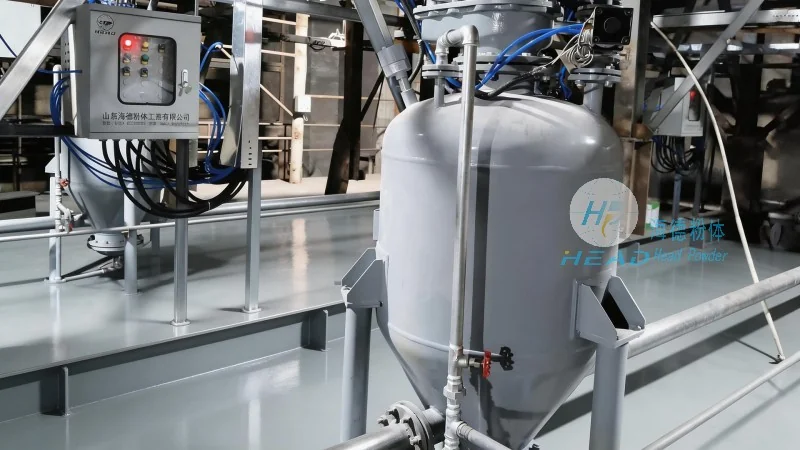
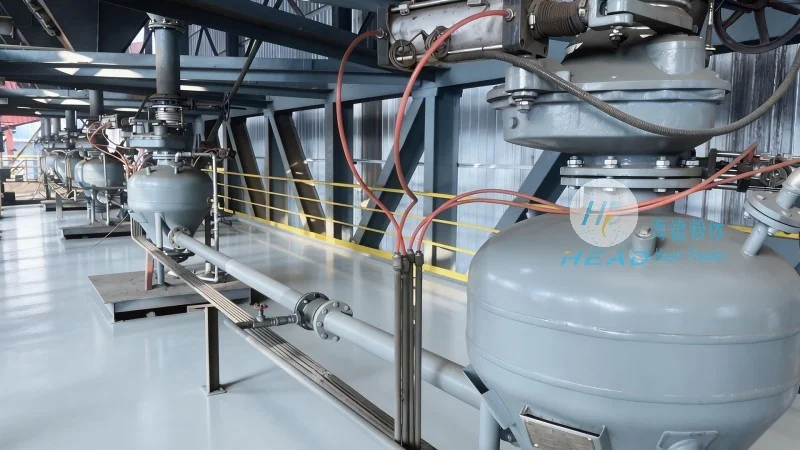
The alumina crystal powder pneumatic conveying system typically consists of several key components that work in tandem to ensure smooth material transport. These include a hopper for material storage, a feeder to control the flow rate, a conveying line (often equipped with airlocks or rotary valves), and a receiver for the discharged material. The system may also incorporate a blower or compressor to generate the necessary air pressure for conveying. Each component plays a vital role in maintaining the integrity of the alumina crystals and ensuring consistent performance.
Design Principles for Optimal Performance
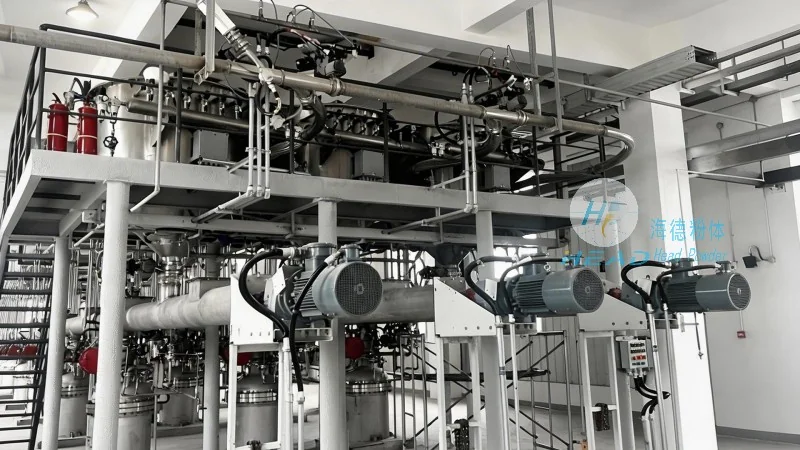
The design of an alumina crystal powder pneumatic conveying system is tailored to address specific challenges associated with handling fine, abrasive powders. Key design principles include:
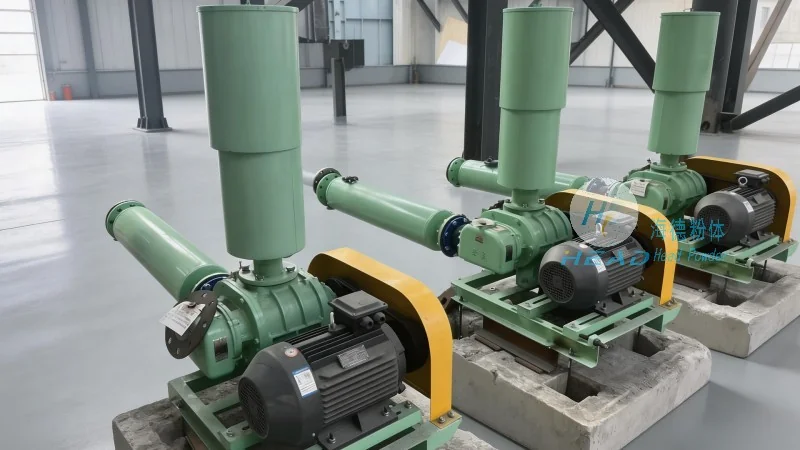
- Pressure and Flow Control: Precise regulation of air pressure and material flow rate is essential to prevent material degradation or blockages. This is achieved through the use of adjustable feeders and pressure regulators.
- Material Compatibility: Components such as hoppers, conveyors, and valves are constructed from materials that are resistant to corrosion and abrasion caused by alumina crystals. Stainless steel or specialized alloys are commonly used to ensure longevity and maintain product purity.
- Prevention of Agglomeration: Alumina crystals can agglomerate under certain conditions, leading to blockages. The system incorporates features like air knives or vibrators to break up clumps and maintain a uniform particle size distribution.
- Energy Efficiency: Modern designs prioritize energy efficiency by optimizing air velocity and reducing pressure losses. This not only lowers operational costs but also minimizes environmental impact.
Operational Advantages of the System
Implementing an alumina crystal powder pneumatic conveying system offers several advantages over traditional mechanical conveying methods. These include: