

What is a Dry Sludge Powder Pneumatic Conveying Equipment? And What Are Its Design Principles?
Understanding dry sludge powder pneumatic conveying equipment is crucial for modern waste management and industrial processing. This technology plays a vital role in efficiently handling and transporting dry sludge, a byproduct commonly generated in wastewater treatment facilities. By converting wet sludge into a dry powder form, these systems enable safer, more economical, and environmentally friendly transportation and disposal methods.
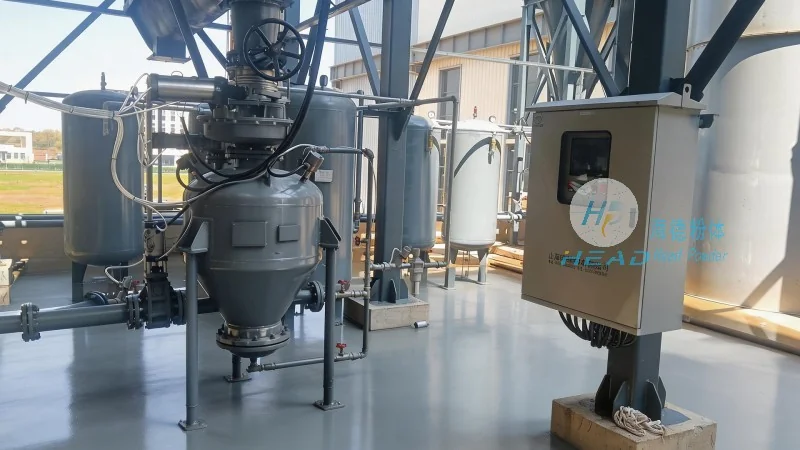
What is Dry Sludge Powder Pneumatic Conveying Equipment?
Dry sludge powder pneumatic conveying equipment is a specialized system designed to process and transport dry sludge in powder form using pneumatic principles. The core function of this equipment is to take wet sludge, dewater it, and then convert it into a dry, free-flowing powder that can be conveyed through pipelines using air pressure or suction. This process eliminates the need for traditional methods like truck transport, which can be costly and environmentally unfriendly due to emissions and odor issues.
Design Principles of Dry Sludge Powder Pneumatic Conveying Equipment
The design of dry sludge powder pneumatic conveying equipment is based on several key principles that ensure efficient operation and optimal performance. The primary design principle is the conversion of wet sludge into a dry powder through a dewatering and drying process. This typically involves mechanical dewatering, such as belt presses or centrifuges, followed by thermal drying to achieve the desired moisture content. The resulting dry sludge powder is then fed into a pneumatic conveying system.
Within the pneumatic conveying system, the design incorporates components like a feeder, which controls the flow of the dry sludge powder into the pipeline. The feeder is crucial for maintaining a consistent flow rate, preventing blockages, and ensuring smooth operation. The pipeline itself is designed with appropriate diameters and bends to minimize pressure loss and maintain the velocity of the conveying air. A separation system, often including cyclones or filters, is integrated to remove any fine particles or moisture from the air before it is released back into the environment, ensuring compliance with air quality regulations.
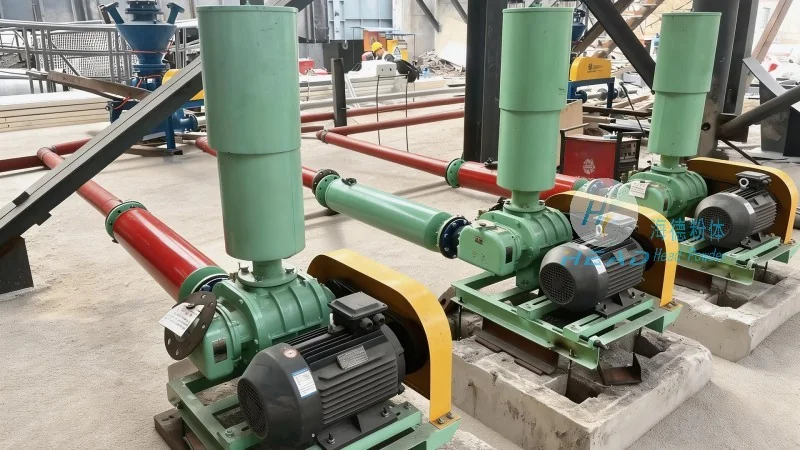
Key Components and Their Functions
The dry sludge powder pneumatic conveying equipment from Shandong HeadPowder Engineering Co., Ltd. includes several critical components that work in harmony to achieve effective sludge handling. The first component is the dewatering and drying unit, which prepares the sludge for pneumatic transport. This unit may consist of a screw press or a belt filter press to remove excess water, followed by a rotary dryer or a fluidized bed dryer to achieve the target moisture level. The dried sludge is then transferred to a storage hopper or a feeder.
The feeder, a critical component for controlling the flow rate, can be a rotary valve or a screw feeder. It ensures that the dry sludge powder is fed into the conveying pipeline at a consistent rate, preventing overloading or underloading of the system. The conveying pipeline is made of materials resistant to corrosion and abrasion, such as stainless steel or polyethylene, to withstand the abrasive nature of the dry sludge powder and the effects of air pressure.
The conveying system uses either positive pressure or negative pressure (suction) to move the sludge powder through the pipeline. Positive pressure systems are common for short to medium distances, where air is blown into the pipeline to push the material. Negative pressure systems are used for longer distances or when the material needs to be transported from a higher to a lower elevation. The design of the pipeline includes appropriate bends and elbows to maintain the air velocity required to keep the material suspended and prevent deposition.
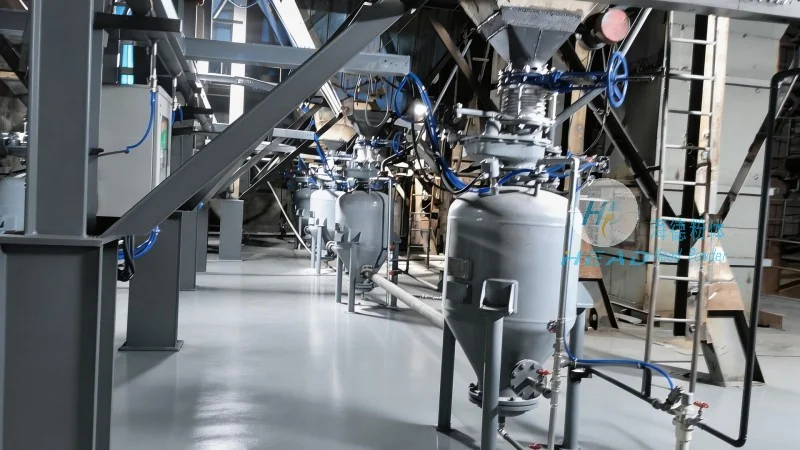
The separation system, typically a cyclone separator or a bag filter, is essential for cleaning the conveying air. As the air carrying the sludge powder exits the pipeline, it passes through the separator, where the larger particles are captured and returned to the system for reprocessing. The cleaned air is then discharged, meeting environmental standards. This component ensures that the system operates efficiently and complies with local air quality regulations.
Advantages of Using Dry Sludge Powder Pneumatic Conveying Equipment
Implementing dry sludge powder pneumatic conveying equipment offers numerous advantages over traditional sludge handling methods. One of the most significant benefits is the reduction in transportation costs. By converting wet sludge into a dry powder, the volume of material to be transported is significantly reduced, leading to lower fuel consumption and fewer truck trips. This not only saves money but also reduces the environmental impact associated with transportation, such as greenhouse gas emissions and air pollution.
Another key advantage is improved safety and hygiene. Dry sludge powder is less odorous and less likely to attract pests compared to wet sludge. This makes handling and processing safer for workers and reduces the risk of contamination in the surrounding environment. Additionally, the enclosed system prevents the release of harmful gases or pathogens, enhancing overall safety in industrial settings.