

What is Positive Pressure Dilute Phase Pneumatic Conveying? Understanding Its Design Principles
Positive pressure dilute phase pneumatic conveying represents a sophisticated and efficient method for transporting bulk materials through a pressurized air or gas stream. This technology is widely utilized across various industries, including food processing, pharmaceuticals, chemicals, and manufacturing, to move powders, granules, and other particulate materials over varying distances with minimal risk of degradation or contamination. The core of this system lies in its design principles, which are meticulously engineered to optimize material flow, energy consumption, and overall system reliability.
Defining Positive Pressure Dilute Phase Pneumatic Conveying
At its fundamental level, positive pressure dilute phase conveying operates by injecting pressurized air or gas into a pipeline that contains the material to be transported. The material is suspended in the air stream as a dilute mixture, allowing it to travel through the pipeline under controlled pressure. Unlike negative pressure systems that rely on vacuum to draw material in, positive pressure systems actively push material through the system, offering superior control over flow rates and reducing the likelihood of blockages or material degradation. This method is particularly advantageous for handling fine powders, sensitive granules, or materials that are prone to moisture absorption or air exposure.
Key Design Principles Underpinning the System
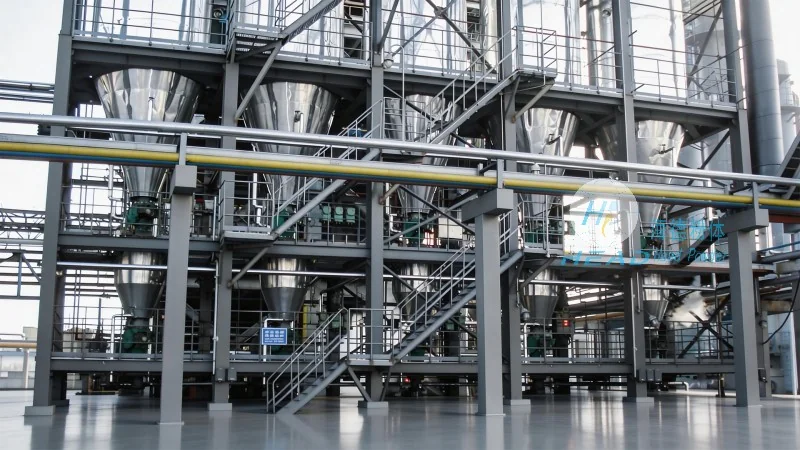
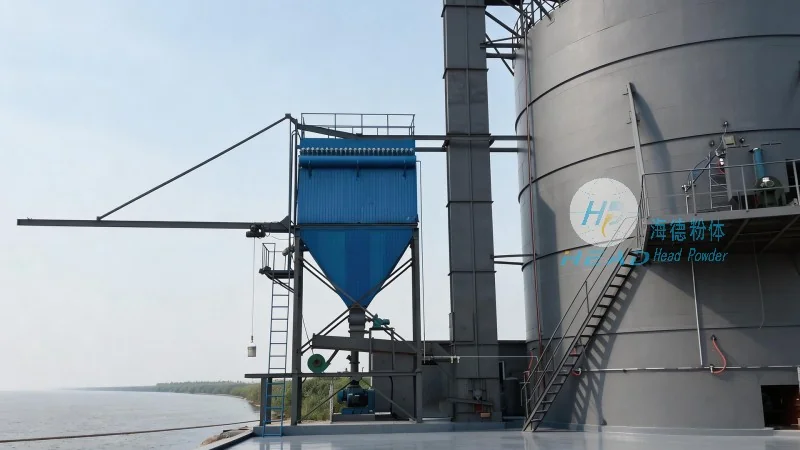
The design of a positive pressure dilute phase pneumatic conveying system involves a comprehensive approach that considers multiple critical factors. A typical system comprises several essential components: a material feed hopper for controlled material intake, a positive displacement blower or compressor to generate the necessary pressure, a pipeline network with appropriate diameter and length, and a discharge unit at the receiving end. The pressure level is a pivotal design parameter, as it directly influences the conveying velocity and the system's ability to handle different material characteristics. Engineers must carefully evaluate material density, particle size distribution, and the required conveying distance to select the optimal pressure range, which typically spans from 1 to 10 bar depending on the application's specific demands.
Another critical design principle is the air-to-material ratio, which dictates the concentration of material within the conveying stream. A higher air-to-material ratio results in a more dilute mixture, reducing the risk of blockages but potentially increasing energy consumption. Conversely, a lower ratio enables higher material throughput but may necessitate more robust pipeline and equipment to prevent clogging. The system's design must strike a balance between these factors to achieve the desired conveying efficiency while minimizing operational costs and maximizing longevity.
System Components and Their Functional Roles
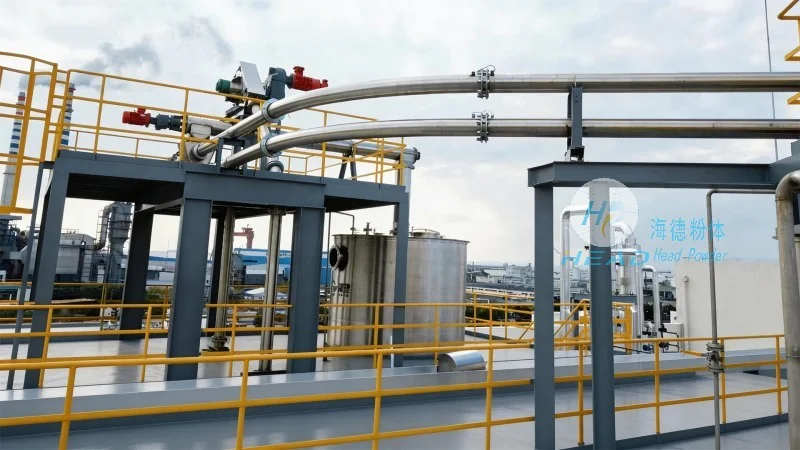
Each component of a positive pressure dilute phase system plays a vital role in ensuring seamless operation. The material feed hopper is engineered to feed the material into the pipeline at a consistent rate, preventing overloading and maintaining uniform flow. The positive displacement blower or compressor provides the necessary pressure to move the material through the system, with options including rotary lobe blowers, screw compressors, or centrifugal fans tailored to the specific application requirements. The pipeline network must be constructed from materials resistant to the conveyed material and pressure, such as stainless steel or specialized plastics, to prevent corrosion or degradation over time. The discharge unit, often a rotary valve or a venturi, controls the release of material from the pipeline, ensuring a clean and controlled discharge that minimizes spillage and contamination.
Advantages and Common Applications
Positive pressure dilute phase pneumatic conveying offers several distinct advantages over traditional material handling methods. It provides a dust-free and enclosed environment, protecting both the material and the surrounding environment from contamination. The system is also highly flexible, allowing for adjustments in material type or conveying distance without major modifications, making it suitable for diverse applications. For instance, in the food industry, positive pressure systems are used to convey ingredients like flour, sugar, and spices, ensuring strict hygiene standards and preventing cross-contamination. In the chemical industry, they are employed to transport powders such as cement, plastics, and pigments, where precise control over flow and pressure is essential for product quality and safety.
Design and Maintenance Considerations
Designing and maintaining a positive pressure dilute phase system requires meticulous attention to detail to ensure long-term reliability and efficiency. Engineers must consider factors such as material compatibility, pressure ratings, and the potential for wear and tear on components. Regular maintenance, including thorough cleaning of the pipeline and timely replacement of worn parts, is crucial to prevent system downtime and maintain optimal performance. The system's design should also incorporate safety features, such as pressure relief valves and emergency shut-off mechanisms, to mitigate risks associated with overpressure and other hazards.
About Shandong HeadPowder Engineering Co., Ltd.
Shandong HeadPowder Engineering Co., Ltd., commonly known as HeadPowder, is a leading enterprise specializing in advanced material handling solutions, with a focus on the design, manufacturing, and installation of positive pressure dilute phase pneumatic conveying systems. With years of industry experience, HeadPowder has established itself as a trusted provider of high-quality, reliable systems tailored to meet the unique needs of its clients. The company's headquarters is located in Shandong, China, where it operates a state-of-the-art facility equipped with cutting-edge technology and expert personnel to deliver superior material transport solutions. HeadPowder's commitment to innovation, customer satisfaction, and adherence to industry standards has positioned it as a key partner for businesses seeking efficient and effective material handling solutions across various sectors.