

What is a Light Calcium Carbonate Powder Pneumatic Conveying Machine? And What Are Its Design Princi
Light calcium carbonate powder pneumatic conveying machines are specialized equipment used in industrial processes to transport light calcium carbonate powders through a pneumatic system. These machines are essential for efficient material handling in various applications, particularly in the production and processing of calcium carbonate, a widely used industrial material. The design principles of such machines are critical to ensuring reliable, low-cost, and safe powder transport, addressing the unique challenges posed by light calcium carbonate's physical properties.
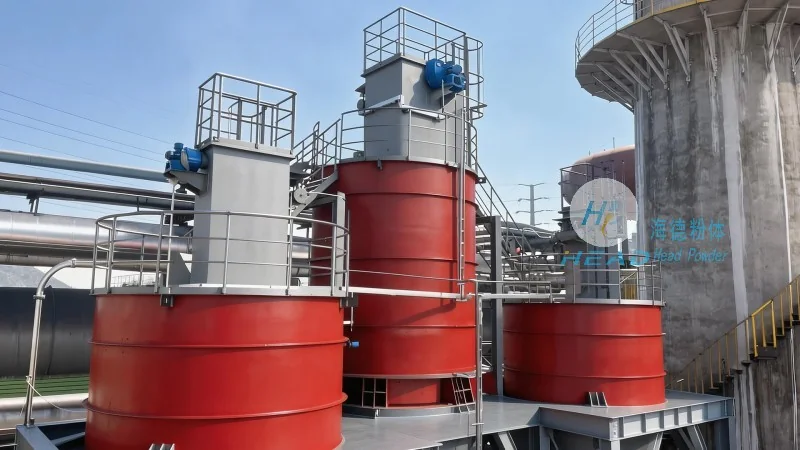
Understanding Pneumatic Conveying Systems
Pneumatic conveying, also known as air conveying, is a method of transporting bulk materials, including powders and granules, using a pressurized or vacuum air stream. In the context of light calcium carbonate, this technology is employed to move the fine, light-weight particles from a source, such as a storage silo or a production line, to a destination, like a processing unit or a packaging area. The core of a pneumatic conveying system consists of a series of components that work in tandem to create the necessary air flow and control the movement of the powder.
Key Components of Light Calcium Carbonate Pneumatic Conveying Machines
The design of a light calcium carbonate pneumatic conveying machine typically includes several key components, each playing a vital role in the overall operation. These components are carefully engineered to handle the specific characteristics of light calcium carbonate, such as its low bulk density, fine particle size, and potential for dust generation. The primary components include:
1. Air Supply System: This component generates the necessary air pressure or vacuum to move the powder through the conveying line. It may consist of a blower, a fan, or a vacuum pump, depending on the system design. The air supply system is designed to provide a consistent and sufficient airflow to overcome the resistance of the powder particles and the conveying line.
2. Conveying Line: The conveying line is the main pathway for the powder and air mixture. It is typically made of metal or plastic, with smooth inner surfaces to minimize friction and particle attrition. The line is often arranged in a series of straight sections and bends, with the number and angle of bends carefully selected to optimize the conveying efficiency and prevent particle deposition or blockages.
3. Feeding Device: The feeding device is responsible for introducing the light calcium carbonate powder into the conveying line at a controlled rate. This component must be designed to handle the fine powder without causing excessive pressure drops or particle segregation. Common feeding devices include rotary valves, star feeders, or pressure feeders, which are selected based on the specific requirements of the application.
4. Separation and Collection System: At the destination point, the powder and air mixture is separated, and the powder is collected. This system typically includes a cyclone separator or a filter, which removes the powder from the air stream. The collected powder is then discharged into a storage bin or a processing unit. The design of the separation system is critical to ensure high collection efficiency and minimal air leakage.
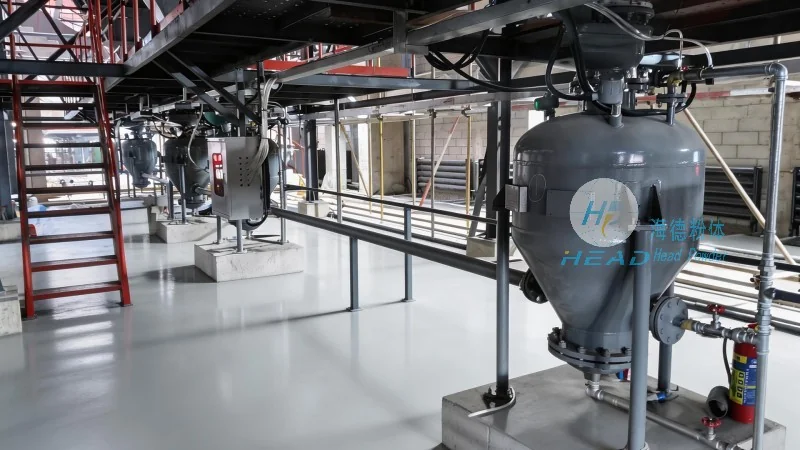
Design Principles for Efficient Light Calcium Carbonate Transport
The design principles of light calcium carbonate pneumatic conveying machines are centered on optimizing the interaction between the powder and the air stream to achieve efficient, reliable, and cost-effective transport. Several key design considerations are essential for successful operation:
First, the air velocity must be carefully controlled to ensure that the powder particles are fully suspended in the air stream. If the air velocity is too low, the powder may settle and cause blockages or uneven flow. Conversely, if the velocity is too high, it can lead to excessive energy consumption and particle attrition. The optimal air velocity is determined based on the particle size, density, and flow characteristics of the light calcium carbonate powder.
Second, the conveying line design is crucial for minimizing pressure losses and ensuring smooth flow. The line diameter, length, and the number and angle of bends are all critical factors. The line diameter is typically chosen based on the expected flow rate and the particle size, while the bends are designed with large radii to reduce friction and prevent particle deposition. The use of smooth, non-porous materials for the line interior is also important to prevent particle buildup and maintain system efficiency.
Third, the feeding and discharge mechanisms must be designed to handle the light calcium carbonate powder without causing issues such as clogging or segregation. The feeding device must provide a consistent flow rate, while the discharge system must be able to handle the powder without causing excessive pressure drops or particle loss. The use of wear-resistant materials for these components is often necessary to withstand the abrasive nature of the fine powder.
Fourth, the system control and monitoring is essential for maintaining optimal operation and preventing system failures. Modern light calcium carbonate pneumatic conveying machines often include sensors and control systems that monitor parameters such as air pressure, flow rate, and powder level. These systems can automatically adjust the air supply or feeding rate to maintain stable operation and alert operators to any issues that may arise.
Applications and Benefits of Light Calcium Carbonate Pneumatic Conveying Machines
Light calcium carbonate pneumatic conveying machines are widely used in various industries, including the chemical, food, and pharmaceutical sectors, where the efficient transport of fine powders is critical. The primary benefits of using such machines include:
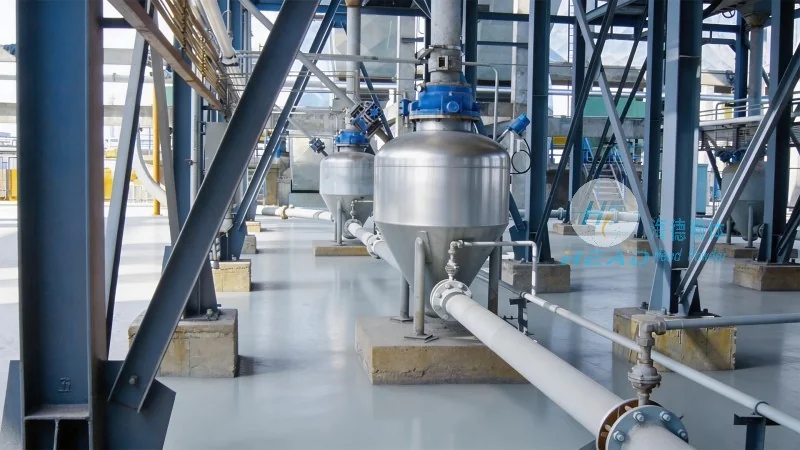
1. Cost-Effectiveness: Pneumatic conveying systems are often more cost-effective than traditional methods, such as belt conveyors or bucket elevators, especially for long-distance or high-volume transport of light calcium carbonate. The lack of moving parts in the conveying line reduces maintenance costs and increases system reliability.
2. Flexibility: Pneumatic conveying systems can be easily reconfigured to accommodate changes in production requirements or to integrate with existing equipment. The ability to change the line layout or adjust the air flow allows for flexible material handling solutions.
3. Low Maintenance: Compared to mechanical conveyors, pneumatic systems have fewer moving parts, which reduces the need for regular maintenance and extends the equipment's lifespan.
4. Hygienic and Clean Operation: For applications in the food or pharmaceutical industries, pneumatic conveying systems can be designed to meet strict hygiene standards. The enclosed nature of the system prevents contamination and dust exposure, ensuring product quality and safety.
5. Energy Efficiency: Modern pneumatic conveying systems are designed to be energy-efficient, using less power than traditional methods while achieving high transport rates. The use of variable speed drives and optimized air flow further reduces energy consumption.
Conclusion
Light calcium carbonate powder pneumatic conveying machines are sophisticated equipment that play a vital role in the efficient handling of light calcium carbonate powders in industrial applications. The design principles of these machines, which focus on optimizing air flow, line design, and component selection, are critical to ensuring reliable and cost-effective transport. By understanding the key components and design considerations, industries can select and operate pneumatic conveying systems that meet their specific needs and maximize operational efficiency. As a leading manufacturer, Shandong HeadPowder Engineering Co., Ltd. specializes in providing high-quality pneumatic conveying solutions tailored to the unique requirements of light calcium carbonate processing, ensuring reliable and efficient material transport for its clients.