For those in the construction and material handling industries, understanding the mechanics of cement truck material pneumatic conveying is crucial for efficient operations. This technology involves the use of air to transport bulk materials like cement, powders, and granules from one location to another. The design principles behind such systems are intricate, balancing factors like material properties, air pressure, and system efficiency to ensure reliable and cost-effective material transport. In this article, we explore the fundamentals of cement truck material pneumatic conveying, its applications, and the key design considerations that make it a preferred solution in modern industrial settings.
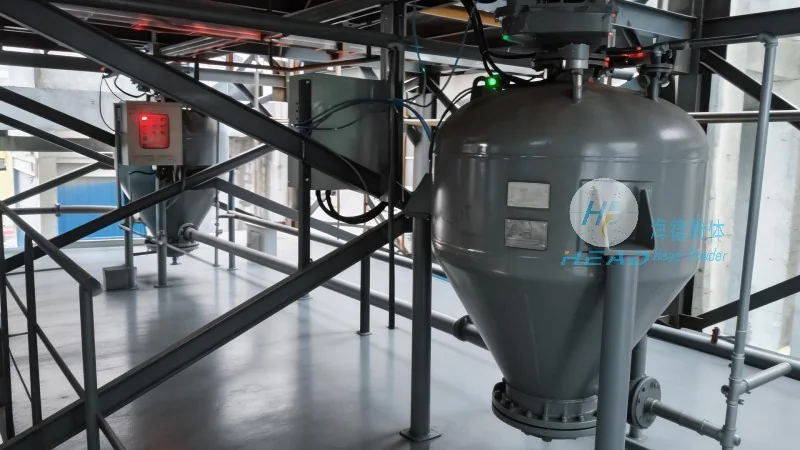
Introduction to Cement Truck Material Pneumatic Conveying
Pneumatic conveying, also known as air conveying, is a method of transporting bulk materials through a pipeline using a stream of air. In the context of cement trucks, this technology is used to move large quantities of cement from storage silos or production facilities to construction sites. Unlike traditional methods like belt conveyors or trucks, pneumatic conveying offers advantages such as reduced labor costs, minimized material spillage, and the ability to handle materials in a closed system, which enhances safety and environmental compliance. The process typically involves a series of components, including a material hopper, a conveyor line, and a discharge system, all working in tandem to ensure smooth material transfer.
Key Components of a Cement Truck Pneumatic Conveying System
The effectiveness of a cement truck material pneumatic conveying system depends on several critical components. These include the material hopper, which stores the bulk material and feeds it into the system; the conveyor line, which consists of pipes and fittings that transport the material; and the air compressor, which generates the necessary air pressure to move the material. Additionally, the system may include a filter and dust collector to capture any airborne particles, ensuring clean operation and compliance with environmental regulations. Each component is carefully designed to handle the specific characteristics of cement, such as its fine particle size and cohesive properties, which can affect the conveying efficiency.
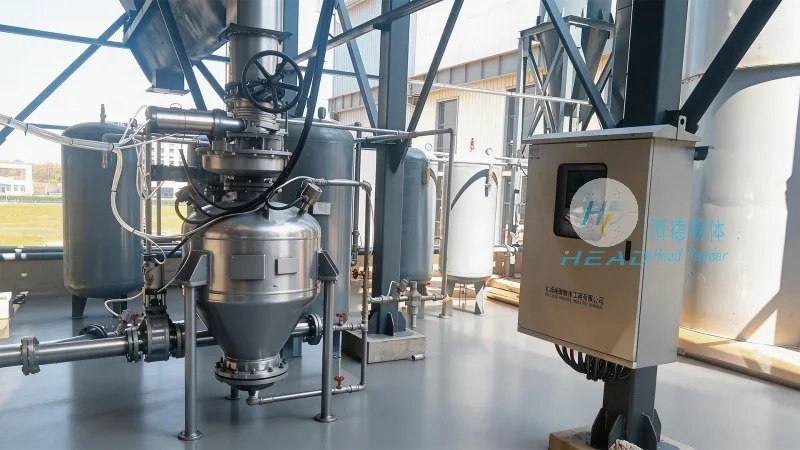
Design Principles for Efficient Material Transport
The design of a cement truck pneumatic conveying system is governed by several key principles aimed at optimizing performance and minimizing operational issues. One of the primary considerations is the selection of the appropriate air velocity and pressure. Air velocity must be high enough to overcome the resistance of the material in the pipe but not so high as to cause excessive wear on the system components or lead to material degradation. The pressure required is typically determined by the distance the material needs to travel and the height of the discharge point. Engineers also consider the material's flow characteristics, including its density, moisture content, and particle size distribution, as these factors influence how easily the material can be conveyed. For example, cement, being a fine powder, requires higher air velocities to prevent clogging and ensure consistent flow.
Advantages of Using Pneumatic Conveying in Cement Trucks
Implementing pneumatic conveying in cement trucks offers numerous benefits that make it an attractive choice for many businesses. One of the most significant advantages is the reduction in labor costs. Traditional methods often require manual handling or additional equipment, which can be time-consuming and expensive. Pneumatic systems automate the process, reducing the need for manual labor and increasing overall productivity. Additionally, the closed system design minimizes material spillage and dust emissions, improving workplace safety and environmental sustainability. This is particularly important in urban construction sites where dust control is a regulatory requirement. Furthermore, pneumatic conveying allows for more precise control over the material flow rate, enabling better management of inventory and reducing waste.
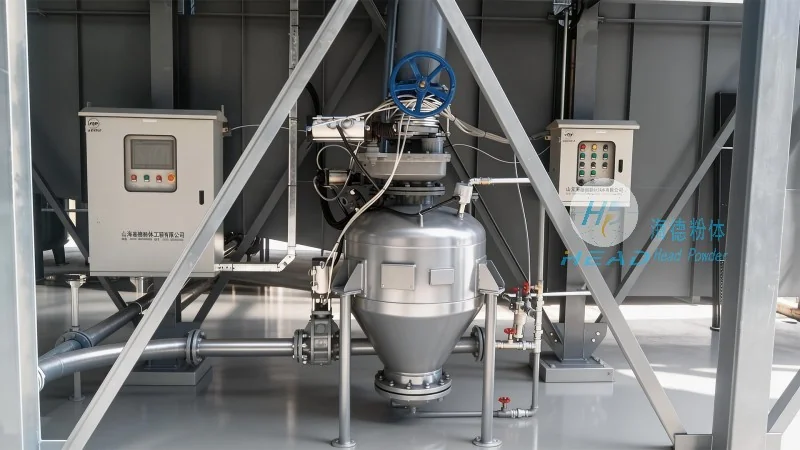
Challenges and Solutions in Cement Truck Pneumatic Conveying
Despite its benefits, pneumatic conveying in cement trucks also presents challenges that must be addressed through careful system design. One common issue is material clogging, which can occur due to the fine particle size of cement and the potential for moisture accumulation. To mitigate this, systems often include features such as air knives or vibrators that help break up clumps and maintain smooth flow. Another challenge is the wear and tear on system components, especially the pipes and fittings, due to the abrasive nature of cement particles. Using high-quality materials, such as stainless steel or specialized coatings, can extend the lifespan of these components and reduce maintenance costs. Additionally, ensuring consistent air pressure and flow is crucial for maintaining system efficiency, which may require regular monitoring and maintenance of the air compressor and other components.
Applications and Industries Benefiting from Pneumatic Conveying
The use of cement truck material pneumatic conveying is not limited to construction sites but extends to various industries that handle bulk powders. These include the pharmaceutical, food processing, and chemical industries, where the need for clean, dust-free material transport is paramount. In these sectors, the closed system design of pneumatic conveying helps maintain product purity and prevent contamination. For example, in pharmaceutical manufacturing, the ability to transport raw materials in a sterile environment is critical for producing high-quality medications. Similarly, in the food industry, the system can be designed to meet sanitary standards, ensuring that powders like flour or sugar are handled safely and hygienically. The versatility of pneumatic conveying makes it a valuable solution across a wide range of applications.
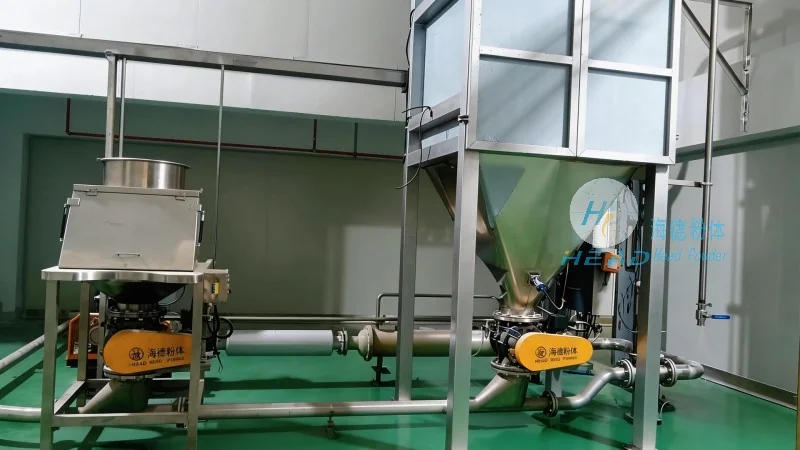
Future Developments in Cement Truck Pneumatic Conveying Technology
As technology advances, the field of cement truck material pneumatic conveying continues to evolve, with new innovations aimed at improving efficiency and sustainability. One area of development is the integration of smart sensors and automation, which allows for real-time monitoring of system performance and predictive maintenance. This can help identify potential issues before they cause system failures, reducing downtime and maintenance costs. Another trend is the use of more energy-efficient air compressors and materials, which lower operational costs and reduce the environmental impact of the system. Additionally, advancements in material handling technology, such as the use of flexible hoses and modular systems, provide greater flexibility in system design and installation. These developments are likely to further enhance the adoption of pneumatic conveying in cement trucks and other industrial applications.
Conclusion: The Importance of Understanding Cement Truck Material Pneumatic Conveying
In conclusion, cement truck material pneumatic conveying is a sophisticated technology that plays a vital role in modern material handling. By understanding the design principles and components of such systems, businesses can optimize their operations, reduce costs, and improve safety. The advantages of this technology, including automation, reduced spillage, and precise control, make it an essential solution for industries dealing with bulk materials. As technology continues to advance, the future of pneumatic conveying in cement trucks looks promising, with continued improvements in efficiency and sustainability. For companies like Shandong HeadPowder Engineering Co., Ltd., based in China, the expertise in designing and implementing these systems is crucial for meeting the evolving needs of the industry. With a focus on quality and innovation, such companies are helping to drive the adoption of advanced material handling solutions across various sectors.




