

What is the Stone Coal Material Pneumatic Conveying Equipment? What are the Design Principles?
For industries dealing with stone coal and similar bulk materials, efficient material handling is crucial for operational efficiency and cost-effectiveness. Pneumatic conveying systems offer a reliable solution for transporting such materials over short to medium distances, and the design of equipment tailored for stone coal presents unique challenges and opportunities. This article explores the fundamental aspects of stone coal material pneumatic conveying equipment, focusing on its applications, key components, and the underlying design principles that ensure optimal performance.
Understanding Pneumatic Conveying Systems
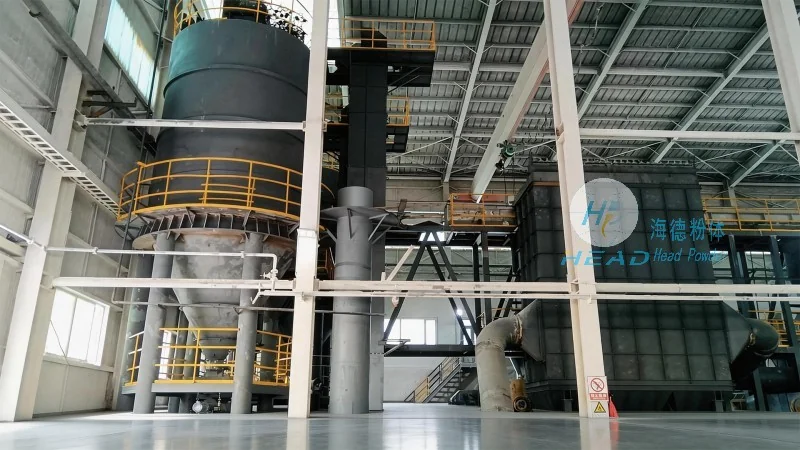
Pneumatic conveying systems utilize air or gas to transport solid materials through a pipeline network. In the context of stone coal, these systems are engineered to handle abrasive and potentially dusty materials, requiring robust construction and specialized components. The primary goal is to move material from a source point to a destination point without the need for mechanical components like belts or buckets, which can be prone to wear and maintenance issues.
Key Components of Stone Coal Pneumatic Conveying Equipment
The design of stone coal pneumatic conveying equipment typically includes several critical components that work in concert to ensure smooth material transport. These components include the material feed hopper, which stores and feeds the stone coal into the system; the air compressor or blower, which generates the necessary air pressure to move the material; the conveying pipeline, which transports the material and air mixture; and the discharge hopper or receiver, which collects the material at the end of the line. Each component is selected based on the specific characteristics of the stone coal, such as particle size, moisture content, and abrasiveness.
Design Principles for Efficient Material Handling
The design principles for stone coal pneumatic conveying equipment are centered on maximizing efficiency, minimizing energy consumption, and ensuring durability. One key principle is the selection of appropriate air velocity and pressure. Too low a velocity may cause material to settle in the pipeline, while too high a velocity can lead to excessive wear on components and higher energy costs. Engineers often use the "critical velocity" concept, which is the minimum air velocity required to keep the material suspended in the pipeline. For stone coal, this velocity is typically higher than for lighter materials due to its density and abrasive nature.
Material Feed and Conditioning
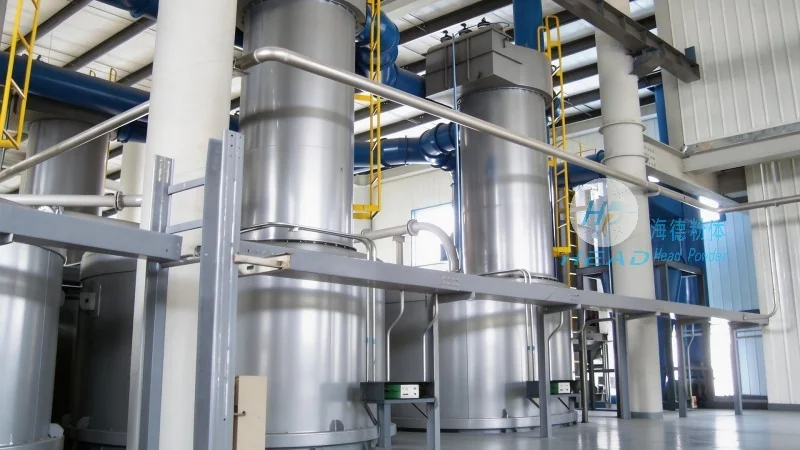
Proper material feed is essential for preventing blockages and ensuring consistent flow. The feed hopper for stone coal is often equipped with a rotary valve or a star feeder to control the flow rate and prevent material from bridging or caking. In some cases, pre-conditioning steps, such as drying or screening, may be incorporated to improve material flowability and reduce the risk of pipeline blockages. These measures are particularly important for stone coal, which can have high moisture content or contain fines that affect its handling characteristics.
Conveying Pipeline Design
The conveying pipeline is a critical component that must be designed to withstand the abrasive nature of stone coal. Materials like stainless steel or high-grade carbon steel are commonly used for the pipeline, with internal surfaces often lined with wear-resistant materials such as polyurethane or ceramic to extend the equipment's lifespan. The pipeline layout is also carefully planned to minimize bends and changes in direction, as sharp turns can cause material to impact the pipe walls and lead to wear or blockages. The use of straight, smooth sections and gradual bends helps maintain consistent air velocity and material flow.
Discharge and Material Recovery
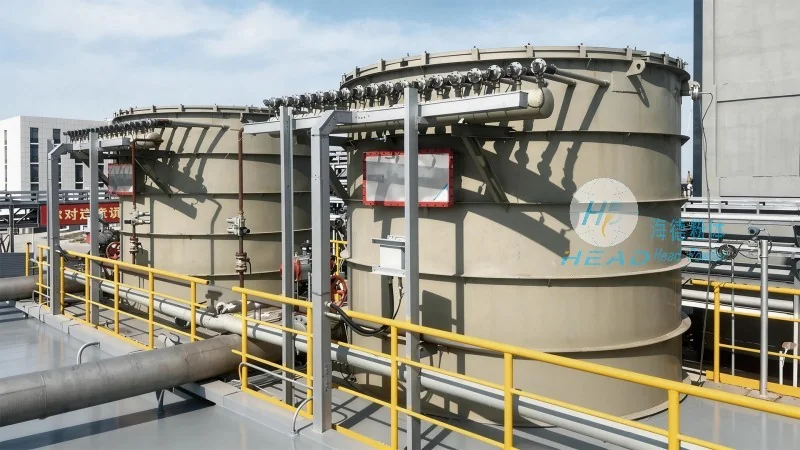
The discharge hopper or receiver is designed to collect the stone coal at the end of the conveying line. It typically includes a dust collection system to capture any fine particles that may be carried over with the air, ensuring compliance with environmental regulations and preventing dust emissions. The design of the hopper may include a rotary valve or a gate valve to control the discharge rate, and some systems incorporate a cyclone separator to separate the material from the air stream before it enters the hopper. This separation process is crucial for maintaining the purity of the stone coal and preventing contamination from dust or other particles.
Energy Efficiency and Operational Considerations
Energy efficiency is a key consideration in the design of stone coal pneumatic conveying equipment. The air compressor or blower is a significant energy consumer, and selecting a high-efficiency model can reduce operational costs. Additionally, optimizing the pipeline layout and minimizing pressure losses through the use of smooth pipe surfaces and proper sizing can improve energy efficiency. Regular maintenance, such as cleaning the pipeline and replacing worn components, is also essential to maintain optimal performance and prevent energy waste.
Applications and Industry Use Cases
Stone coal material pneumatic conveying equipment is widely used in various industries, including mining, power generation, and chemical processing. In mining operations, it is used to transport stone coal from mines to processing facilities or storage areas. In power plants, it is employed to move stone coal from storage silos to boilers for combustion. The chemical industry may use it to transport stone coal as a raw material for various processes, such as in the production of cement or other industrial chemicals. The versatility of pneumatic conveying systems makes them suitable for a wide range of applications where traditional mechanical conveying methods are not feasible or cost-effective.
Conclusion and Company Overview
Stone coal material pneumatic conveying equipment is a sophisticated system that combines engineering principles with practical application to ensure efficient material handling. The design principles, including proper air velocity, robust component selection, and careful pipeline layout, are critical to achieving optimal performance. Companies like Shandong HeadPowder Engineering Co., Ltd., with its expertise in material handling solutions, provide tailored equipment that meets the specific needs of industries dealing with stone coal and similar bulk materials. Based in China, the company leverages its experience and technical knowledge to deliver reliable and efficient pneumatic conveying systems that enhance operational efficiency and reduce costs for its clients.