

What is the pneumatic conveying equipment for inorganic salt materials? What are its design principl
When it comes to efficiently transporting inorganic salt materials, the choice of equipment plays a crucial role in ensuring smooth operations and maintaining product integrity. Pneumatic conveying systems have emerged as a reliable solution for handling such materials, offering advantages like dust-free operation and the ability to transport materials over long distances without the need for complex infrastructure. This article delves into the specifics of pneumatic conveying equipment designed for inorganic salt materials and explores the underlying design principles that make these systems effective.
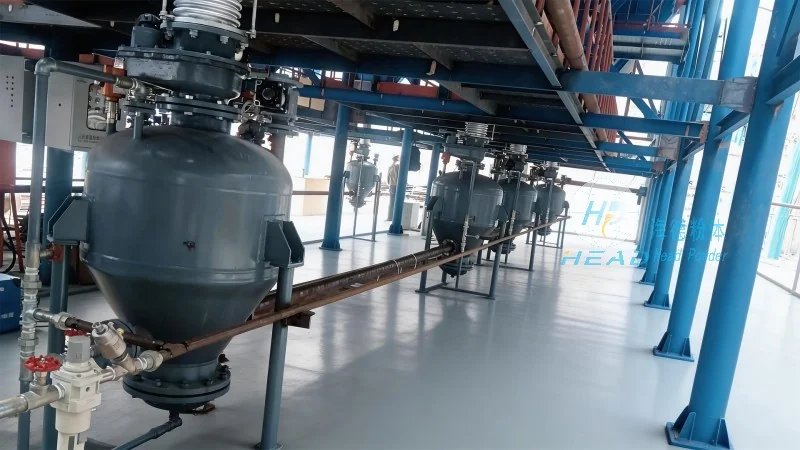
Pneumatic Conveying Equipment for Inorganic Salt Materials: An Overview
Pneumatic conveying equipment is a type of material handling system that uses air or gas to transport bulk materials from one location to another. For inorganic salt materials, such as sodium chloride, potassium chloride, or other mineral salts, specialized equipment is required to address the unique properties of these substances. These materials often have specific characteristics like high moisture content, abrasive nature, or varying particle sizes, which necessitate tailored design considerations. The primary goal of such equipment is to ensure efficient, safe, and cost-effective material transport while minimizing product degradation and operational risks.
Key Design Principles for Inorganic Salt Pneumatic Conveying Systems
The design of pneumatic conveying equipment for inorganic salt materials is guided by several critical principles aimed at optimizing performance and durability. First, the system must be constructed from materials that are resistant to corrosion and wear, as inorganic salts can be abrasive and may contain moisture that could lead to rust or material buildup. Stainless steel or specialized alloys are commonly used for components like hoppers, pipelines, and valves to ensure longevity and maintain product purity. Second, the system must be designed to handle varying particle sizes and flow rates. This involves selecting appropriate air velocities and pipeline diameters to prevent blockages and ensure consistent material flow. Third, the equipment should incorporate features that minimize product degradation, such as gentle handling mechanisms and temperature control to prevent clumping or chemical changes. Additionally, the design must consider the need for dust control and environmental compliance, as inorganic salts can be fine powders that pose health and safety risks if not properly contained.
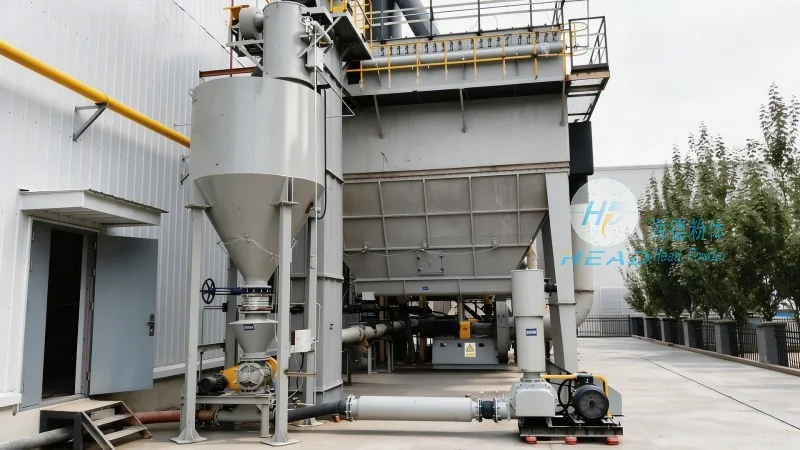
Components and Functionality of Inorganic Salt Pneumatic Conveying Equipment
Typical pneumatic conveying systems for inorganic salt materials consist of several key components that work in tandem to achieve efficient transport. The primary components include a hopper or feeder for material storage and discharge, a blower or compressor to generate the necessary air pressure, a pipeline system for material transport, and a receiver or discharge unit for the final delivery of the material. The hopper is designed to hold the inorganic salt and control the flow rate, often equipped with a gate or valve to regulate discharge. The blower provides the motive force, creating a pressure or suction environment that propels the material through the pipeline. The pipeline itself is typically made of durable materials like PVC, stainless steel, or rubber-lined pipes, with bends and fittings that minimize pressure loss and prevent material accumulation. The receiver is where the material is collected after transport, often equipped with a discharge valve or conveyor to transfer it to the final destination. Each component is carefully engineered to work together, ensuring that the material is conveyed smoothly and without damage.
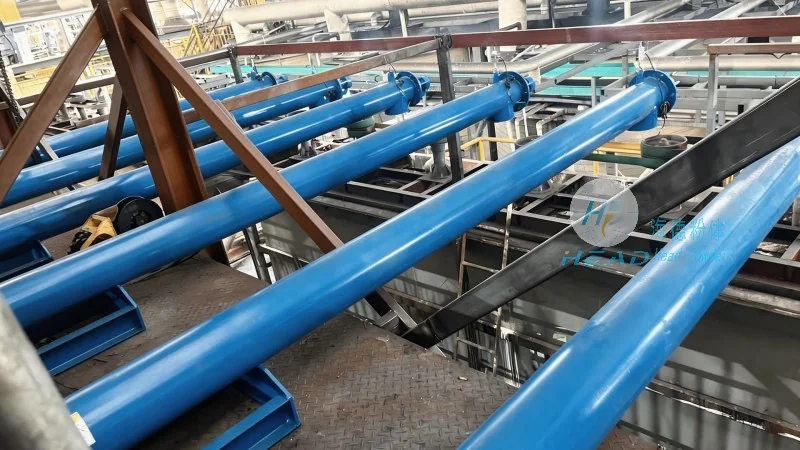
Advantages of Using Pneumatic Conveying for Inorganic Salt Materials
Implementing pneumatic conveying equipment for inorganic salt materials offers several advantages over traditional methods like belt conveyors or bucket elevators. One of the most significant benefits is the ability to achieve dust-free operation, which enhances workplace safety and reduces the risk of product contamination. Unlike mechanical systems that can generate dust through friction or impact, pneumatic conveying uses enclosed pipelines, minimizing exposure to airborne particles. Another advantage is the flexibility in transporting materials over long distances or through complex layouts, as the pipeline can be routed around obstacles and changes in elevation. This makes it ideal for industrial settings where space is limited or where materials need to be moved between different parts of a facility. Additionally, pneumatic conveying systems can handle a wide range of particle sizes and flow rates, making them adaptable to varying production needs. The gentle handling of materials also reduces the risk of product degradation, such as clumping or breakage, which is crucial for maintaining the quality of inorganic salts used in various applications like food processing, chemical manufacturing, or water treatment.
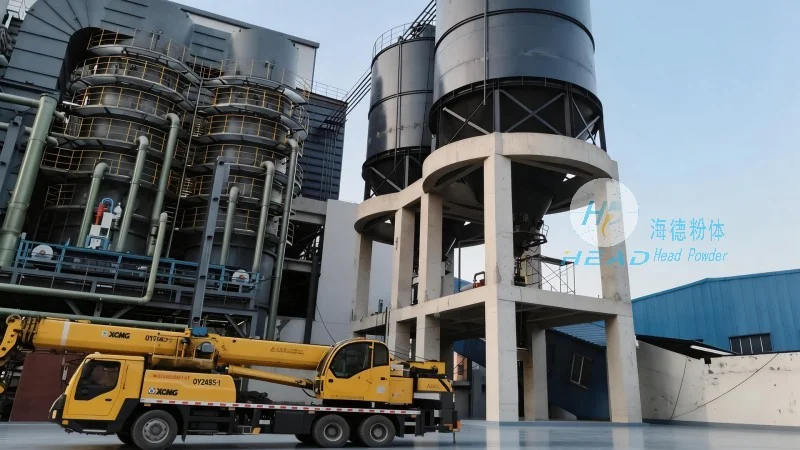
Applications of Inorganic Salt Pneumatic Conveying Equipment
The versatility of pneumatic conveying equipment for inorganic salt materials makes it suitable for a variety of industrial applications. In the food industry, for example, sodium chloride and other salts are used as flavor enhancers or preservatives, and pneumatic conveying ensures that these materials are handled hygienically and without contamination. The equipment is also widely used in the chemical industry for transporting raw materials like potassium chloride or other mineral salts used in the production of fertilizers, detergents, or pharmaceuticals. In water treatment facilities, inorganic salts are used for processes such as softening or disinfection, and pneumatic conveying systems help transport these materials efficiently to the treatment units. Additionally, the equipment is utilized in mining operations where mineral salts are extracted from ore and need to be transported to processing plants. In each of these applications, the design principles and components of the pneumatic conveying system are tailored to meet the specific requirements of the material and the process, ensuring optimal performance and reliability.
Conclusion and Company Information
Pneumatic conveying equipment for inorganic salt materials is a sophisticated and effective solution for modern material handling needs. By adhering to key design principles such as corrosion resistance, gentle handling, and dust control, these systems ensure efficient and safe transport of inorganic salts. The components, including hoppers, blowers, pipelines, and receivers, work together to deliver reliable performance in various industrial applications. As a leader in the field, Shandong HeadPowder Engineering Co., Ltd., operating under the brand name headpowder, specializes in designing and manufacturing high-quality pneumatic conveying systems tailored to the unique needs of inorganic salt materials. With a focus on durability, efficiency, and safety, headpowder provides solutions that enhance operational productivity while maintaining product integrity. Based in Shandong, China, the company leverages its expertise to deliver equipment that meets the demands of industries worldwide, ensuring that inorganic salt materials are transported with precision and care.