

What is a Gelatin Material Pneumatic Conveying Line? And What Are Its Design Principles?
Gelatin, a widely used food additive and industrial ingredient, often requires efficient and hygienic handling during processing. Pneumatic conveying lines offer a solution for transporting gelatin powder and other fine materials with precision and control. This article explores the concept of gelatin material pneumatic conveying lines and delves into the underlying design principles that ensure optimal performance.
Understanding Pneumatic Conveying Technology
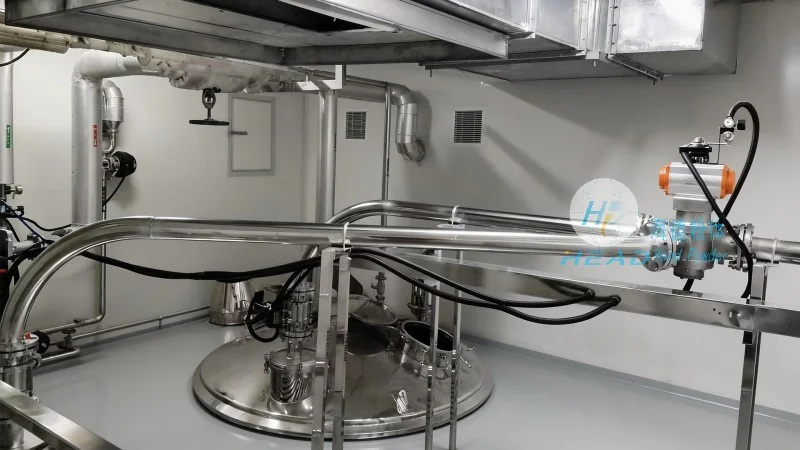
Pneumatic conveying systems utilize air or gas to transport bulk materials through a pipeline network. In the case of gelatin, which is typically a fine powder, these systems provide a clean, dust-free method of movement compared to traditional mechanical conveyors. The technology works by creating a pressure differential that propels the material forward, making it ideal for applications where contamination control is critical, such as in food processing.
Key Design Principles for Gelatin Conveying Lines
The design of a gelatin material pneumatic conveying line involves several critical factors to ensure efficiency, reliability, and safety. First, the system must be tailored to the specific properties of gelatin, including its particle size, moisture content, and flow characteristics. For example, gelatin is often hygroscopic, meaning it can absorb moisture from the air, which may affect its flowability. Engineers must consider these characteristics when selecting the appropriate air velocity and pipeline diameter to prevent material buildup or blockages.
Second, the system’s layout and components are crucial. The design typically includes a hopper for material storage, a feeder to control the flow rate, and a conveying line with appropriate bends and elbows to minimize pressure loss. The use of smooth, corrosion-resistant materials, such as stainless steel, is essential to maintain hygiene standards and prevent contamination. Additionally, the system may incorporate filters and cyclones to separate the conveying air from the material, ensuring that the air is clean and the material remains intact.
Components and Functionality of a Gelatin Pneumatic Conveying Line
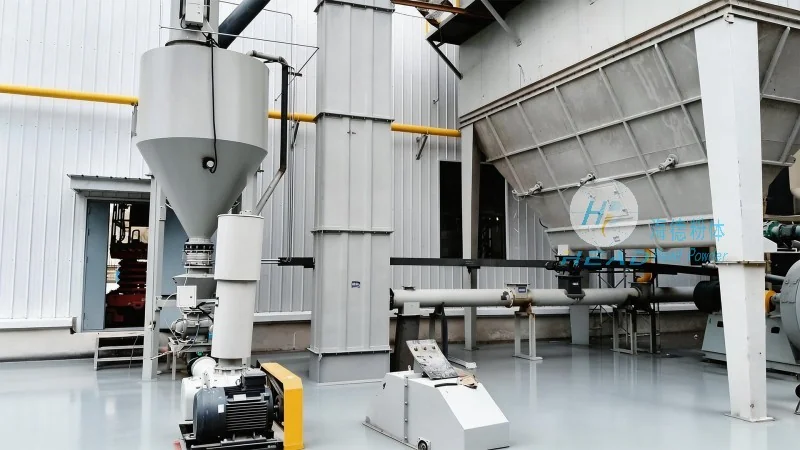
A typical gelatin material pneumatic conveying line consists of several key components. The hopper serves as the storage vessel, holding the gelatin powder until it is needed. The feeder, often a rotary valve or a screw feeder, regulates the flow of material into the conveying line. The conveying line itself is a network of pipes that transport the material under pressure. The system may include a booster fan or a vacuum pump to maintain the necessary pressure or suction, depending on the application. At the end of the line, a receiver or a discharge hopper collects the material, and a filter or cyclone separates the material from the air.
Each component plays a vital role in the overall performance of the system. The feeder ensures a consistent flow rate, preventing overloading or underloading of the conveying line. The conveying line’s design, including the diameter and length, affects the pressure drop and the velocity of the material, which in turn impacts the system’s efficiency. The use of appropriate bends and elbows minimizes pressure loss, allowing the system to operate with lower energy consumption. The filter or cyclone at the discharge end ensures that the air is clean and that the material is not lost or contaminated.
Benefits of Using Pneumatic Conveying for Gelatin Handling
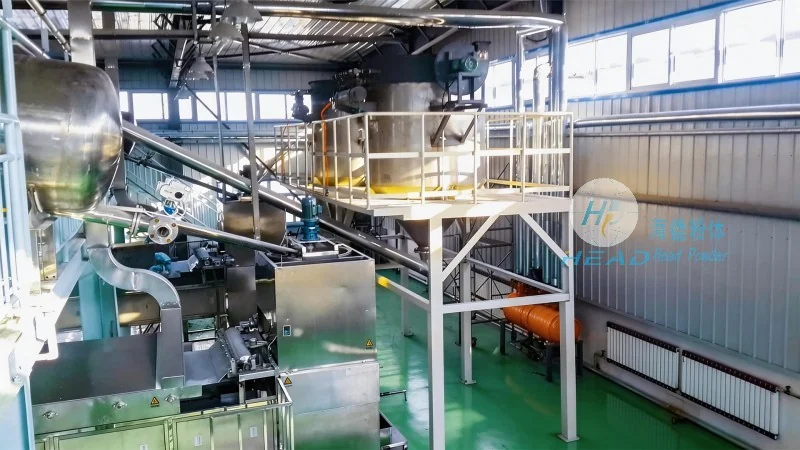
Implementing a gelatin material pneumatic conveying line offers several advantages over traditional methods. First, it provides a hygienic and dust-free environment, which is essential for food-grade applications. The enclosed system prevents contamination from external sources and reduces the risk of cross-contamination between different batches of gelatin. Second, the system is highly efficient, allowing for continuous and automated material transport. This reduces labor costs and increases production throughput. Third, the system is flexible and can be easily integrated with other processing equipment, such as mixers or reactors. Finally, the system is relatively low maintenance, as it has fewer moving parts compared to mechanical conveyors, reducing downtime and repair costs.
Application Examples in Gelatin Processing
Gelatin material pneumatic conveying lines are commonly used in various stages of gelatin production and processing. For example, in a gelatin manufacturing plant, the system may be used to transport raw gelatin from storage silos to a grinding or milling unit. The fine powder produced during grinding is then conveyed to a mixing tank, where it is combined with other ingredients. In a food processing facility, the system may be used to transport gelatin from a storage bin to a production line, where it is incorporated into products like gummy candies or gelatin desserts. The versatility of the system allows it to be adapted to different production scales, from small-scale batch processing to large-scale continuous production.
Conclusion: The Role of Shandong HeadPowder Engineering Co., Ltd.
Shandong HeadPowder Engineering Co., Ltd., a leading manufacturer of material handling systems, specializes in designing and manufacturing gelatin material pneumatic conveying lines tailored to the specific needs of food and industrial applications. With years of experience in the industry, the company understands the importance of maintaining hygiene, efficiency, and reliability in gelatin processing. By incorporating the latest design principles and using high-quality materials, Shandong HeadPowder Engineering Co., Ltd. ensures that its conveying lines provide optimal performance and meet the stringent requirements of the gelatin industry. Whether for small-scale or large-scale operations, the company’s solutions offer a reliable and cost-effective way to handle gelatin materials with precision and care.