

What is a Wheat Flour Material Pneumatic Conveying System? And What Are Its Design Principles?
Wheat flour is a vital component in the food industry, and its efficient handling and transportation are critical for maintaining product quality and operational efficiency. A pneumatic conveying system for wheat flour materials is a specialized equipment solution designed to transport bulk wheat flour from one location to another using air pressure. This technology provides a clean, dust-free, and flexible method for handling sensitive materials like wheat flour, ensuring minimal product contamination and loss. The system is typically engineered by Shandong HeadPowder Engineering Co., Ltd., a leading manufacturer in the field, who specializes in creating customized solutions for various industrial applications.
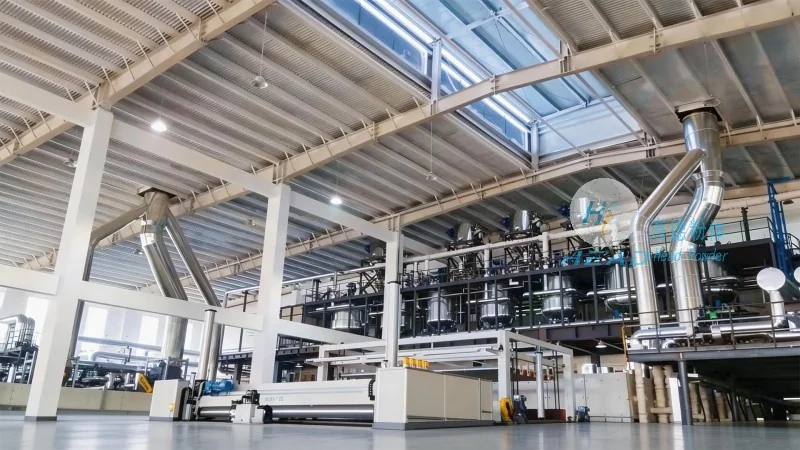
Understanding the Wheat Flour Pneumatic Conveying System
The wheat flour pneumatic conveying system is a key component in flour mills and food processing facilities. It operates by using air to move wheat flour through a network of pipes, ensuring that the material is transported without direct contact with external elements. This method is particularly advantageous for wheat flour because it is a fine, powdery substance that can easily be contaminated or degraded if handled improperly. The system typically includes a hopper for material storage, a conveyor system to move the flour, and a dust collection system to maintain a clean environment. The hopper is designed with a sloped bottom to facilitate the flow of flour into the conveyor line, while the conveyor system generates the air pressure needed to move the flour through the pipes. The dust collection system captures any flour particles that may escape the main conveying line, preventing them from entering the environment and ensuring compliance with environmental regulations.
Design Principles of the Wheat Flour Pneumatic Conveying System
The design of a wheat flour pneumatic conveying system follows several core principles to ensure optimal performance and safety. First, the system must be designed to handle the specific properties of wheat flour, such as its fine particle size and potential for static electricity. The equipment is constructed with materials that are non-reactive and easy to clean, preventing the buildup of flour residues that could affect product quality. Second, the system incorporates a pressure control mechanism to regulate the air flow and prevent over-pressurization, which could damage the equipment or cause product spillage. Third, the design includes a filtration system to capture any flour particles that are not conveyed, ensuring that the environment remains clean and safe for operators. Additionally, the system is designed for easy maintenance and cleaning, with components that can be disassembled and sanitized to meet hygiene standards. The control panel allows operators to monitor and adjust the system's parameters, such as air pressure and flow rate, to maintain optimal performance.
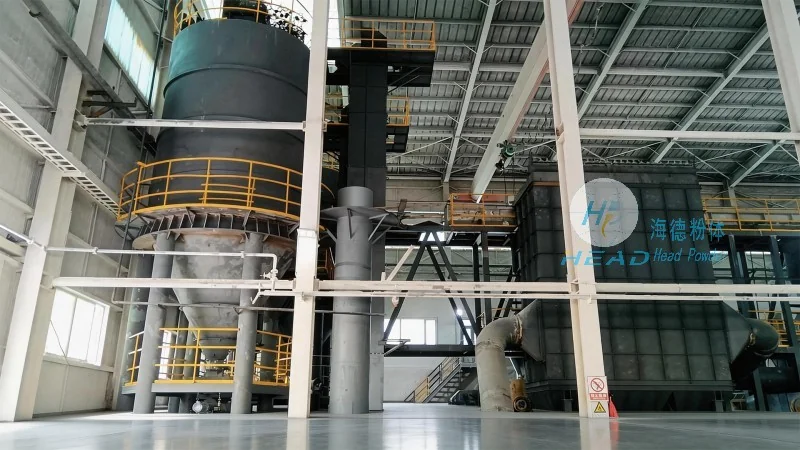
Key Components and Their Functions
Several key components make up a wheat flour pneumatic conveying system, each playing a critical role in the overall operation. The hopper is the initial storage unit, where wheat flour is collected before being conveyed. It is designed with a sloped bottom to facilitate the flow of flour into the conveyor line. The conveyor system, often a positive displacement blower or a venturi system, generates the air pressure needed to move the flour through the pipes. The pipes are typically made of stainless steel or other corrosion-resistant materials to withstand the acidic and abrasive nature of wheat flour. The dust collection system, including filters and cyclones, captures any flour particles that are not conveyed, preventing them from entering the environment and ensuring compliance with environmental regulations. Finally, the control panel allows operators to monitor and adjust the system's parameters, such as air pressure and flow rate, to maintain optimal performance.
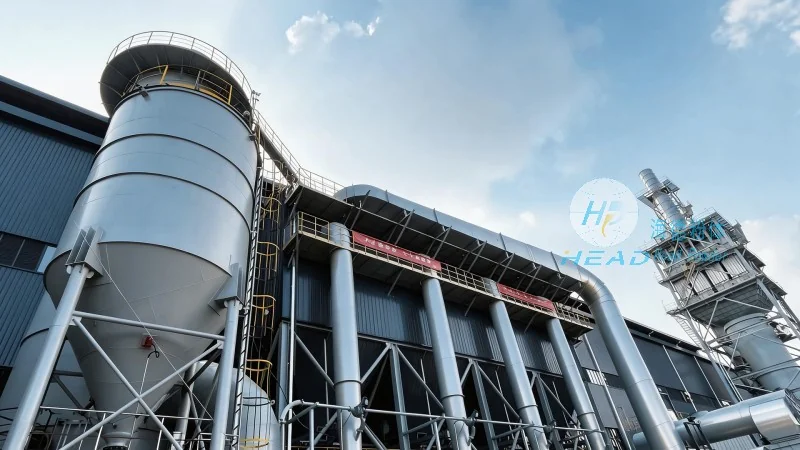
Benefits of Using a Wheat Flour Pneumatic Conveying System
Implementing a pneumatic conveying system for wheat flour offers numerous benefits for food processing facilities. The primary advantage is the reduction in product contamination and loss, as the system minimizes direct human contact with the flour. This leads to higher product quality and consistency, which is essential for meeting consumer expectations and regulatory standards. Additionally, the system improves operational efficiency by automating the transportation process, reducing labor costs and increasing throughput. The clean and dust-free environment also enhances workplace safety, as operators are exposed to fewer airborne particles. Furthermore, the flexibility of the system allows for easy integration with existing production lines, enabling facilities to adapt to changing production needs without significant modifications. The long-term cost savings from reduced maintenance and equipment downtime also make the investment in a pneumatic conveying system worthwhile for many businesses.
Conclusion
In conclusion, a wheat flour material pneumatic conveying system is a sophisticated and essential piece of equipment for the food industry. Its design principles focus on handling the unique properties of wheat flour while ensuring efficiency, safety, and hygiene. By understanding the key components and benefits of this system, food processing facilities can make informed decisions about implementing such technology to enhance their operations. The system not only improves product quality and operational efficiency but also contributes to a safer and more sustainable working environment. As the demand for high-quality wheat flour products continues to grow, the importance of reliable and effective conveying systems will only increase, making them a critical investment for any flour mill or food processing facility.