

What is a Fire Drug Material Pneumatic Conveying System? What Are Its Design Principles?
Fire drug material pneumatic conveying systems are specialized equipment used in the pharmaceutical industry to transport powders and granules safely and efficiently. These systems are crucial for handling materials that require strict contamination control and precise dosing, which are essential in the production of fire drugs and other pharmaceutical products. The design of such systems must adhere to stringent safety and regulatory standards to ensure the integrity of the materials being conveyed.
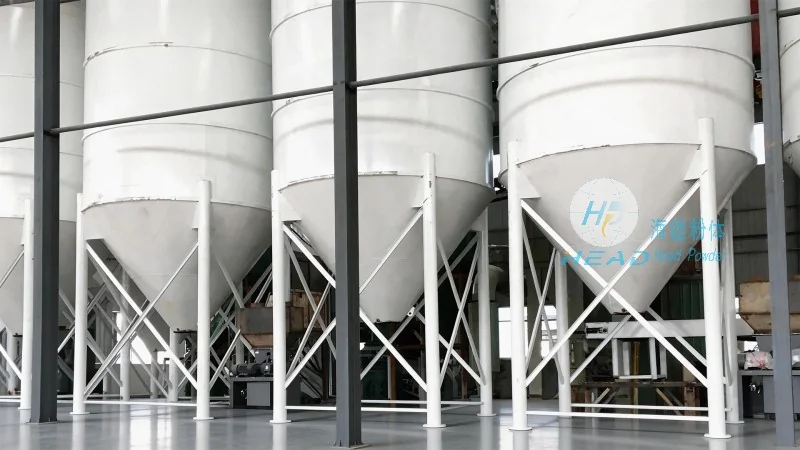
Introduction to Fire Drug Material Pneumatic Conveying Systems
A fire drug material pneumatic conveying system is a technology that uses compressed air or other gases to transport dry powders and granules from one location to another. Unlike traditional mechanical conveyors, which may introduce contamination or cause material degradation, pneumatic systems provide a closed-loop environment that minimizes exposure to external factors. This is particularly important for fire drugs, which are often sensitive to moisture, temperature changes, and physical handling. The system typically consists of a hopper, a blower or compressor, a pipeline network, and a receiving hopper or container. The materials are fed into the system from the source hopper, and the air flow propels them through the pipes to the destination point.
Key Components of a Pneumatic Conveying System
The core components of a fire drug material pneumatic conveying system include the material feed hopper, the air supply unit (blower or compressor), the conveying pipeline, and the receiving equipment. The feed hopper is designed to hold the fire drug material and ensure a consistent flow into the system. It often includes a feeder mechanism, such as a rotary valve or a star valve, to control the material discharge rate. The air supply unit generates the necessary pressure and flow rate to move the material through the pipeline. The conveying pipeline is made of materials that are compatible with the fire drug, such as stainless steel or food-grade plastic, to prevent contamination. The receiving equipment collects the material at the end of the pipeline and may include a silo or a storage tank.
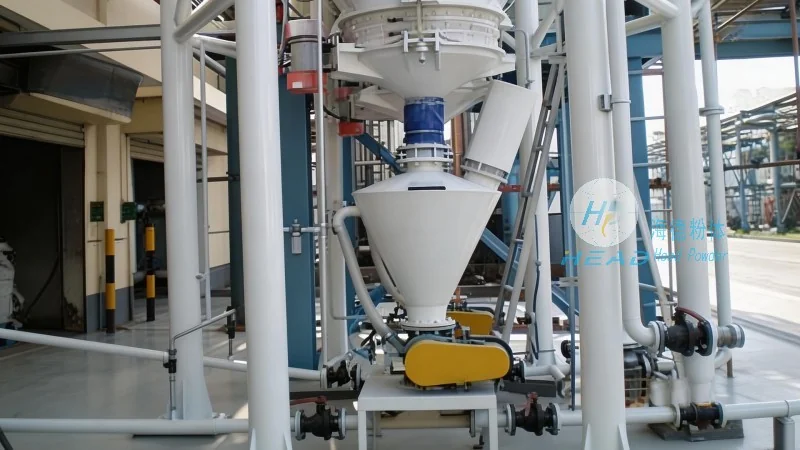
Design Principles for Fire Drug Material Pneumatic Conveying
The design of a fire drug material pneumatic conveying system must consider several critical factors to ensure optimal performance and safety. First, the system must maintain a sterile and clean environment to prevent contamination of the fire drug material. This involves using materials that are easy to clean and sanitize, such as stainless steel, and implementing proper sealing mechanisms to avoid air leaks. Second, the system must control the air flow and pressure to ensure the material is conveyed at the correct velocity and without causing degradation. The velocity of the air flow is typically maintained between 20 to 30 meters per second to prevent material segregation and agglomeration. Third, the system must be designed to handle the specific properties of the fire drug material, such as its particle size, density, and moisture content. For example, materials with high moisture content may require additional drying steps or specialized pipeline materials to prevent caking. Fourth, the system must incorporate safety features to prevent accidents, such as pressure relief valves and emergency shut-off mechanisms.
Advantages of Using Pneumatic Conveying for Fire Drug Materials
There are several advantages to using pneumatic conveying systems for fire drug materials. First, the closed-loop design minimizes the risk of contamination from external sources, which is critical for pharmaceutical products. Second, the system can handle a wide range of material properties, including fine powders and granules, without causing degradation or segregation. Third, the system is highly flexible and can be easily integrated into existing production lines. It can be adjusted to accommodate changes in material flow rates or destination points without major modifications. Fourth, the system is energy-efficient compared to traditional mechanical conveyors, as it uses compressed air to move the material rather than mechanical components. Finally, the system is relatively low-maintenance, as it has fewer moving parts and is less prone to wear and tear.
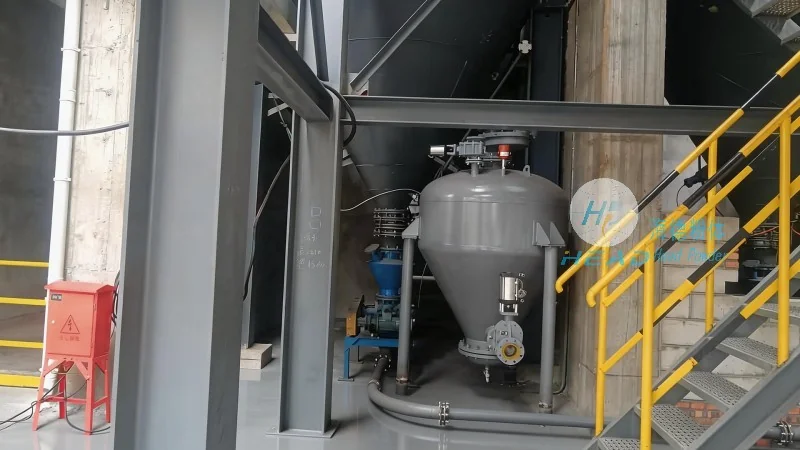
Application Examples in Fire Drug Production
Fire drug material pneumatic conveying systems are widely used in the production of various fire drugs, including powders, granules, and tablets. For example, in the production of fire extinguishing powders, the system is used to transport the active ingredients from the raw material storage to the mixing and granulation units. The system ensures that the ingredients are mixed uniformly and without contamination, which is essential for the effectiveness of the final product. In the production of fire retardant powders, the system is used to transport the retardant agents from the storage silos to the production line. The system maintains the integrity of the retardant agents and prevents them from being exposed to moisture or air, which could affect their performance. Additionally, the system is used in the production of fire drug tablets, where the system conveys the active ingredients and excipients from the raw material hopper to the tablet press. The system ensures that the ingredients are accurately dosed and mixed, which is crucial for the quality and consistency of the tablets.
Conclusion
In conclusion, fire drug material pneumatic conveying systems are essential equipment in the pharmaceutical industry for handling sensitive materials like fire drugs. The design of these systems must adhere to stringent safety and regulatory standards to ensure the integrity of the materials being conveyed. The system's components, such as the feed hopper, air supply unit, and conveying pipeline, are carefully selected to meet the specific requirements of fire drug materials. The design principles, including maintaining a sterile environment, controlling air flow and pressure, and handling material properties, are critical to the system's performance. The advantages of using pneumatic conveying systems, such as minimizing contamination, handling a wide range of materials, and being energy-efficient, make them a preferred choice for fire drug production. As the pharmaceutical industry continues to evolve, the demand for advanced conveying systems will increase, and companies like Shandong HeadPowder Engineering Co., Ltd. will play a key role in providing innovative solutions to meet these needs.